Takumi Saito

2026/7/26 topic-language
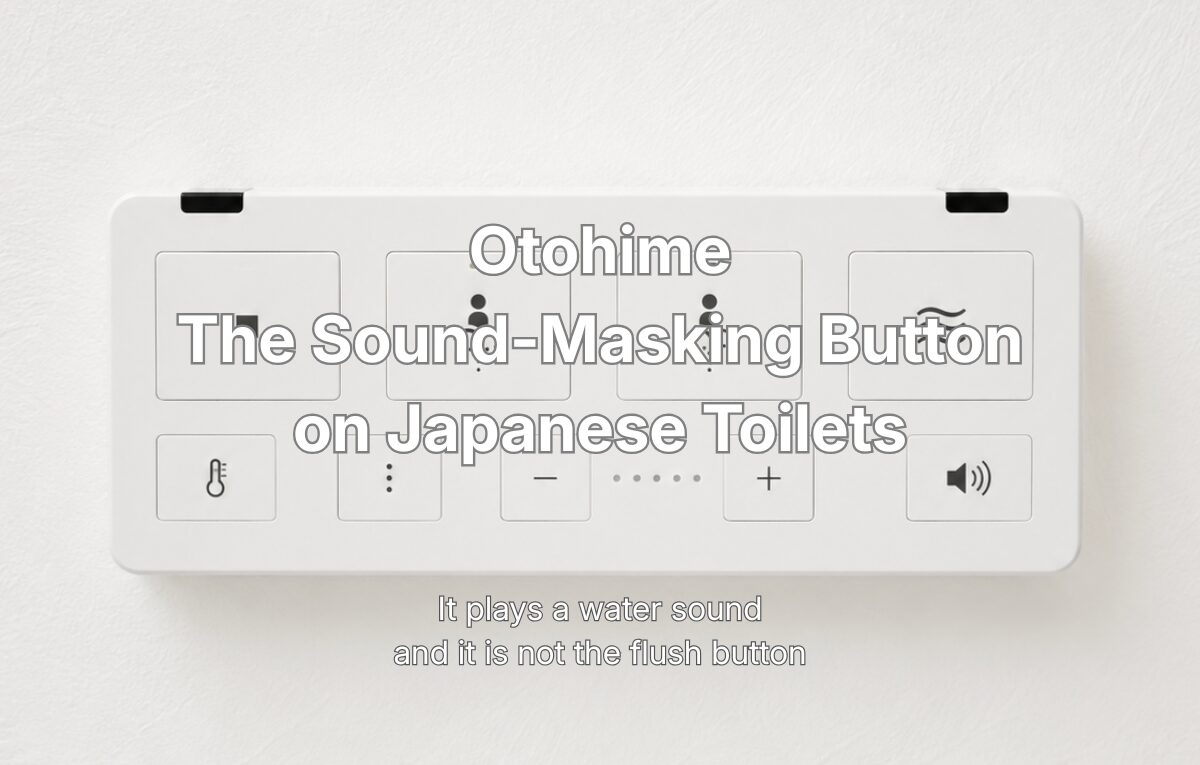
Why Does It Exist? In Japan, the sounds produced in a toilet cubicle can be a source of embarrassment, particularly in quiet public restrooms. To mask those sounds, many people used to flush the toilet repeatedly — wasting water in the process. Otohime was developed as a water-saving alternative. Press a button, and a recorded water sound plays instead. TOTO introduced the device in 1988, and it has since become common in public restrooms, department stores, hotels, and ryokan across Japan. How to Use It Press the button. That is it. The sound plays automatically for a short period and ...
2026/7/20 topic-language
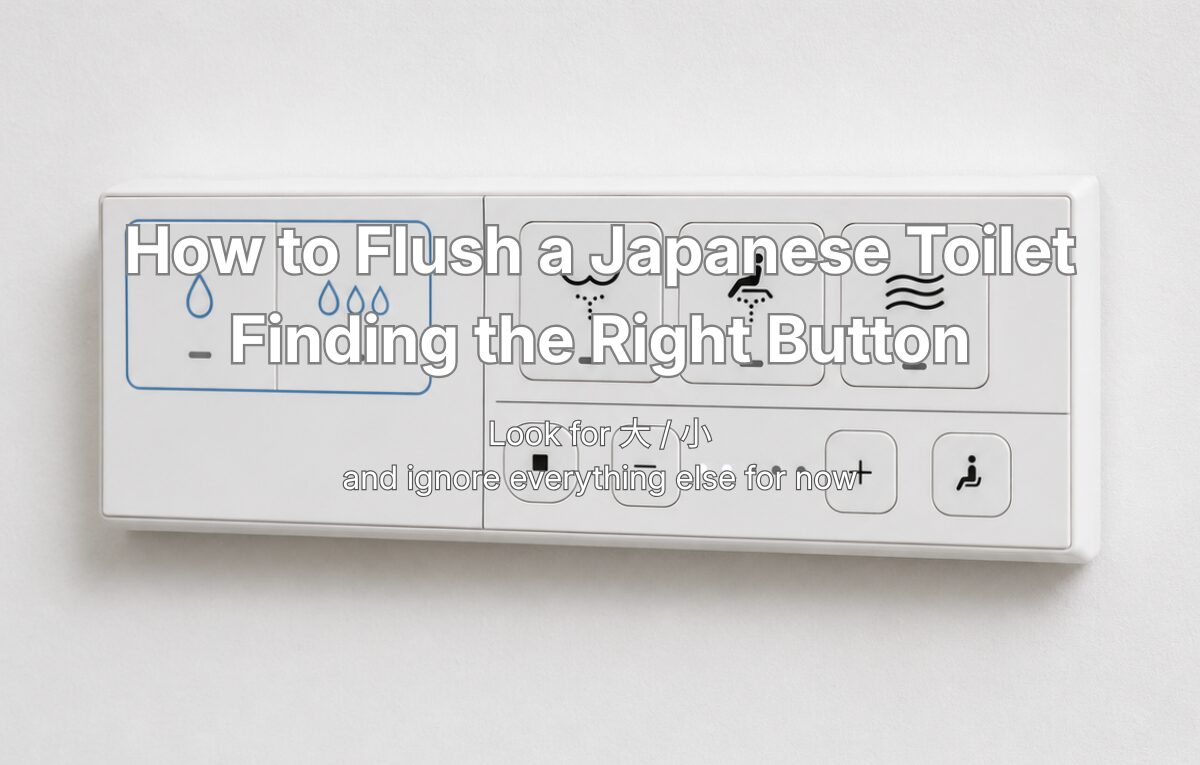
Why Are There Two Flush Options? Japanese toilets are designed with water efficiency in mind. The large flush (大) uses a full volume of water for a thorough rinse. The small flush (小) uses less water and is intended for lighter use. The distinction helps reduce water consumption over time. If you are unsure which to use, 大 is always fine. That is the standard flush. Where Is the Flush Button? Location varies by toilet type. The most common places to look: Lever on the tank — common on older or simpler toilets; usually on the top or side of ...
2026/7/20 topic-language
Is It Safe to Flush? Yes, in normal use. Japanese toilet paper is intended to be flushed, and in most situations that is how it is used. With a reasonable amount of paper, problems are uncommon. That said, older facilities, mountain huts, or places with limited plumbing may have different requirements. If there is a sign asking you not to flush, follow it — the sign is there for a reason. What You Should Not Flush The list of things that should not go down the toilet is straightforward: Wet wipes — even ones labelled "flushable" can cause problems in ...
2026/7/20 topic-accommodation
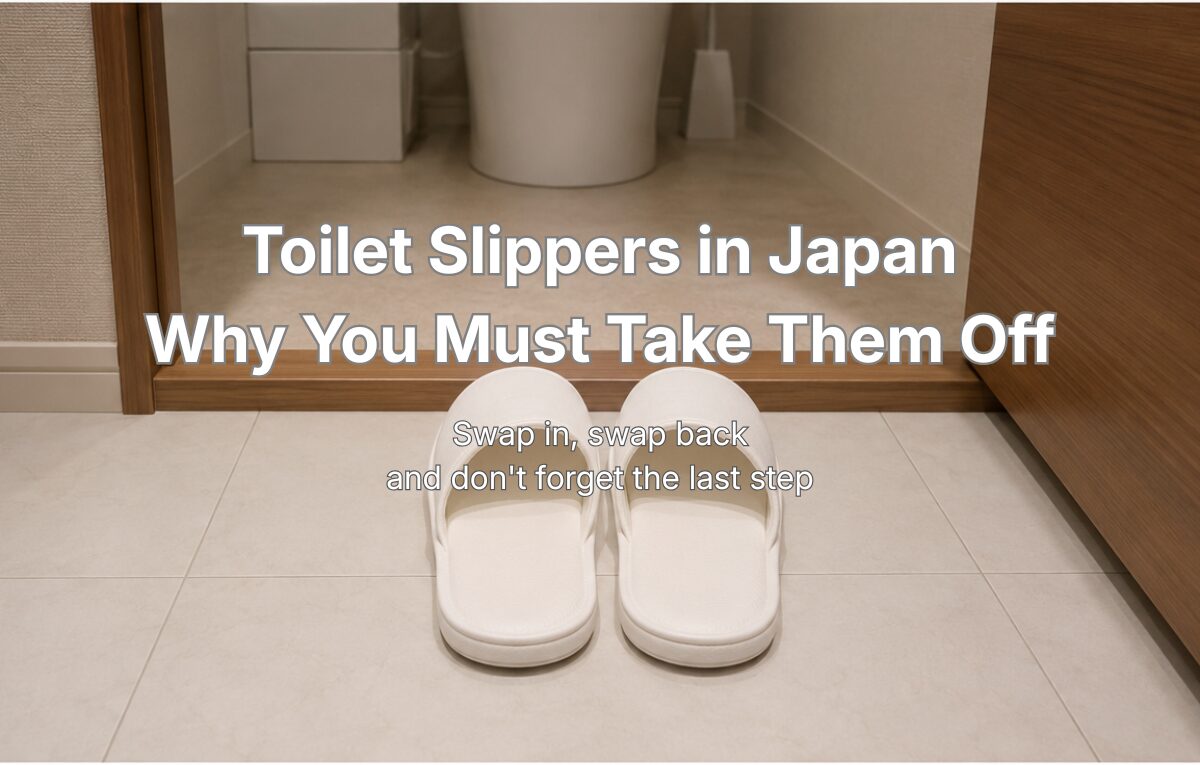
Why Do Toilet Slippers Exist? In Japan, the toilet is treated as a distinct zone — separate from the rest of the living space in terms of cleanliness. Dedicated toilet slippers keep whatever is on the bathroom floor from being carried into hallways, tatami rooms, or shared spaces. It is a practical expression of how cleanliness is thought about here: not just keeping things visibly tidy, but maintaining a clear boundary between different kinds of spaces. How to Use Them What Happens If You Forget? Nothing serious. If you walk out still wearing the toilet slippers, someone nearby may quietly ...
2026/7/20 topic-accommodation
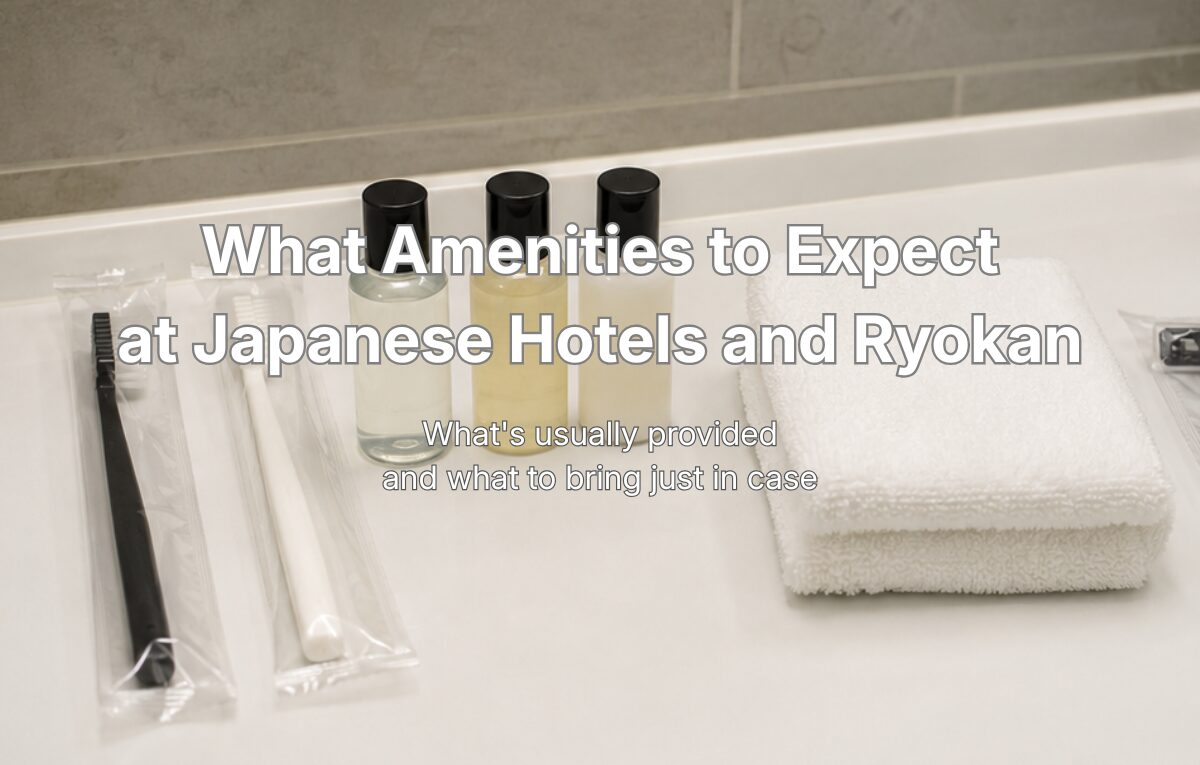
What's Usually Included? Most Japanese hotels and ryokan provide: Toothbrush and toothpaste Disposable razor Shampoo, conditioner, and body wash Bath towel and face towel Hairdryer Slippers Sleepwear — yukata at ryokan, a simple roomwear set at many business hotels Cotton swabs and cotton pads — more common at ryokan and higher-grade hotels The exact selection varies, but the basics are reliably there at most places. What's Not Always Available? A few things that are less consistently provided: Shaving cream or foam Hairbrush or comb Sanitary products Contact lens solution Sunscreen Some of these can be requested at the front desk. ...
2026/7/20 topic-accommodation
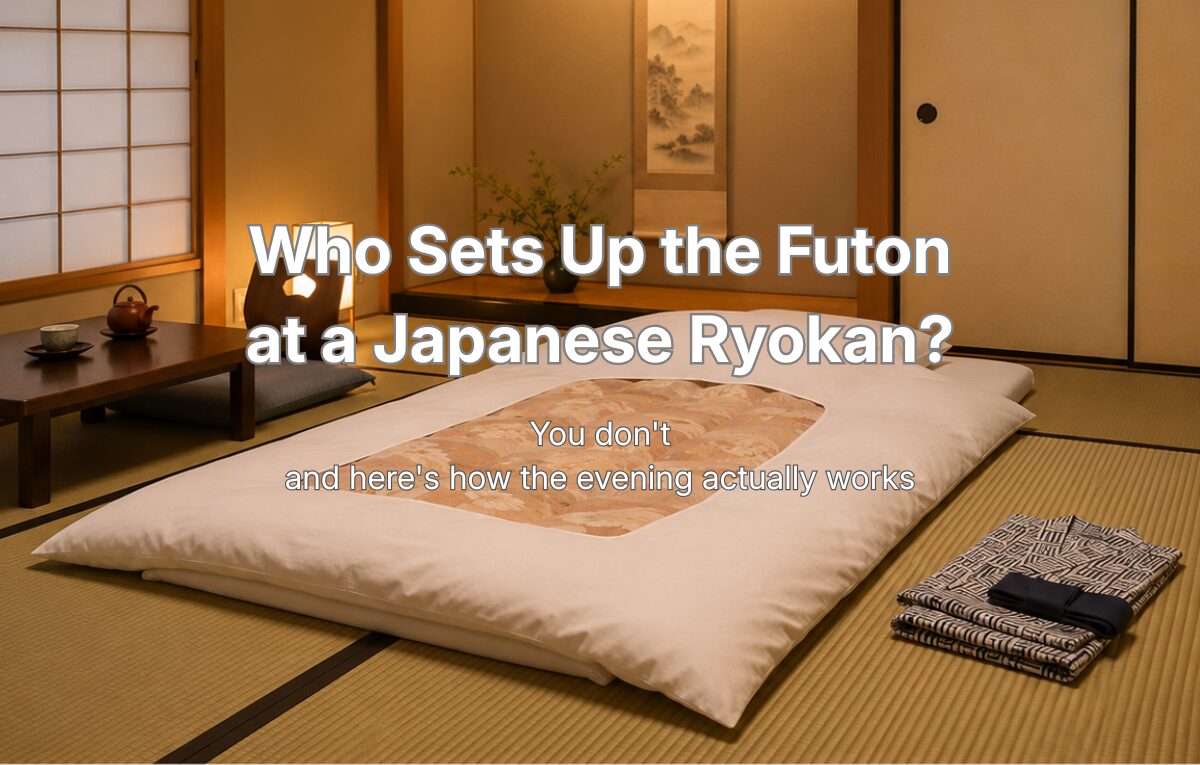
How Does It Work? The typical ryokan evening flows like this: after check-in, you settle into the room with tea and a small sweet, then head to dinner — either in a dining room or, at some ryokan, served in your room. While you are away from the room, a staff member comes in and transforms the space: the low table is moved aside, the futon is laid out on the tatami, and the bedding is prepared. When you return, the sitting room has become a bedroom. It is one of those small details that makes a ryokan stay feel ...
2026/7/20 topic-language
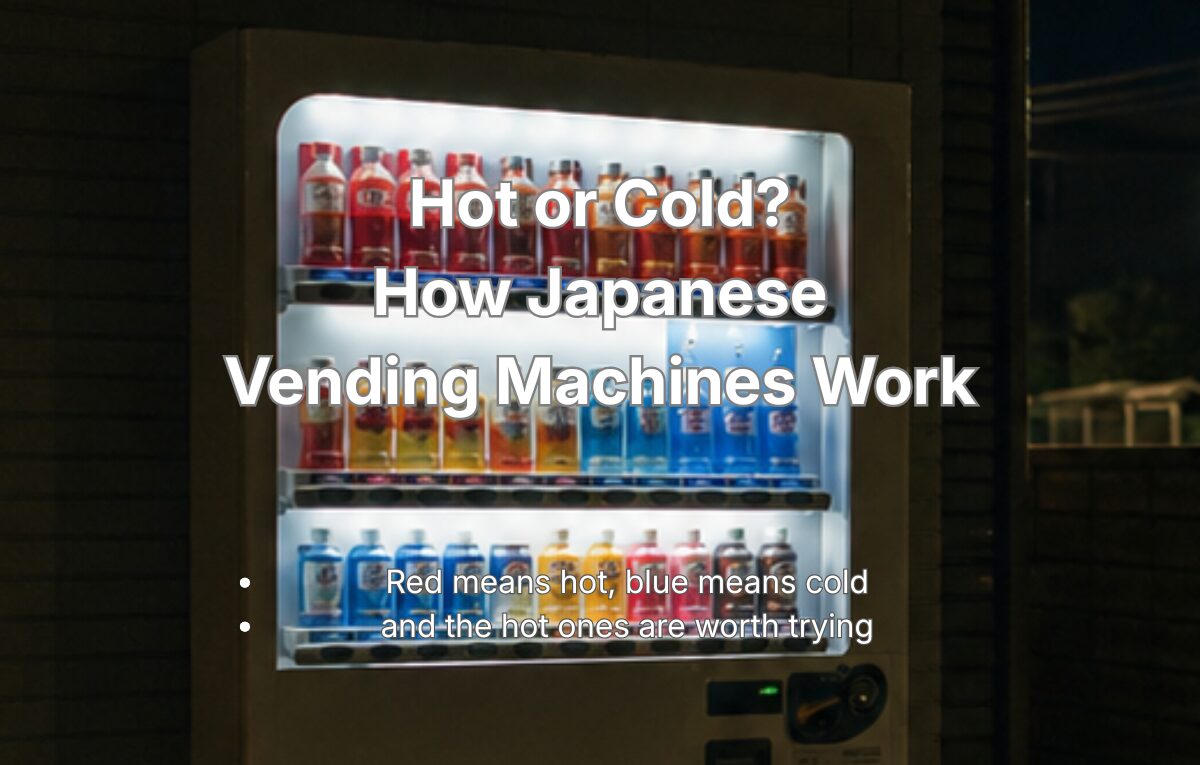
How the Hot/Cold System Works The same vending machine can hold both refrigerated and heated drinks at once. Different slots in the machine run at different temperatures, and the selection shifts with the seasons — more hot options appear as the weather cools, and some machines switch entirely to cold drinks in summer. You do not need to know how it works inside. What matters is knowing how to read the labels. How to Tell Which Is Which The colour coding is consistent enough to rely on: Red label or red display — hot Blue label or blue display — ...
2026/7/20 topic-money
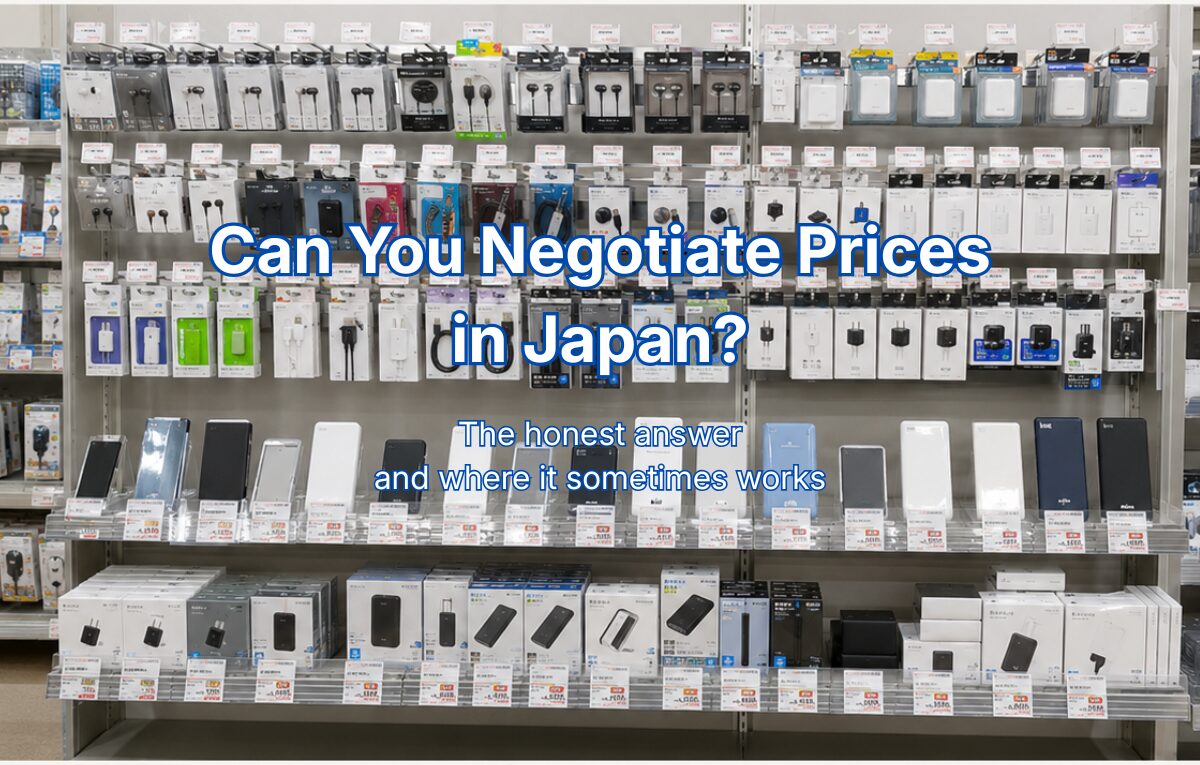
Is Bargaining Normal in Japan? In most cases, no. Convenience stores, supermarkets, department stores, and chain retailers all operate on fixed prices. Asking for a discount in these settings will not usually go anywhere — it tends to feel unusual rather than natural, for both sides of the counter. This is not unfriendliness. It is simply how retail works here. The price on the tag is the price. Where Negotiation Sometimes Works There are a handful of situations where asking is reasonable: Electronics retailers (Yodobashi, Bic Camera, etc.) — for higher-priced items, asking "Can you do a little better on ...
2026/7/20 topic-money
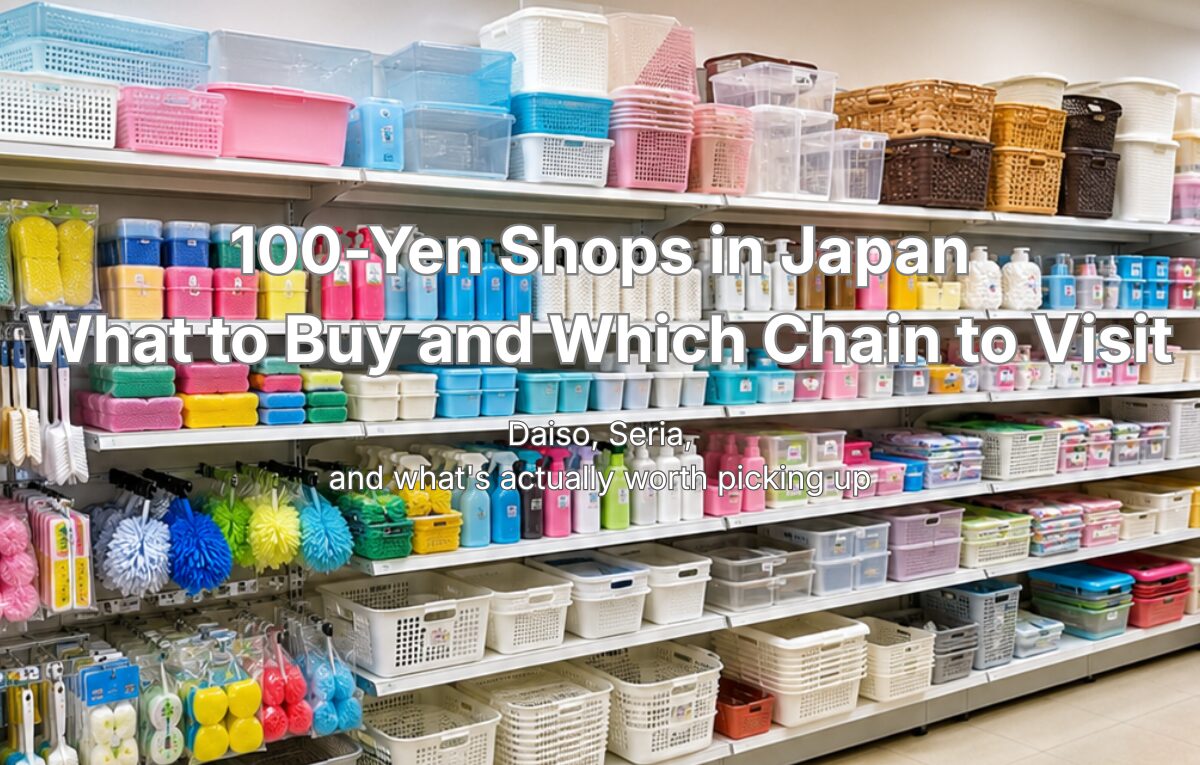
What Is a 100-Yen Shop? A 100-yen shop (hyaku-en shoppu) is a fixed-price discount store — Japan's equivalent of a dollar store, but generally with higher quality and wider variety. The base price is 110 yen including tax, though many stores now carry items at 220, 330, 550 yen and above as well. The range of products is genuinely broad: kitchen items, stationery, cleaning supplies, cosmetics, food, seasonal goods, travel accessories, and more. Walking through one for the first time tends to be a bit of a surprise. Which Chain Should You Go To? For most travellers, Daiso is the ...
2026/7/20 topic-money
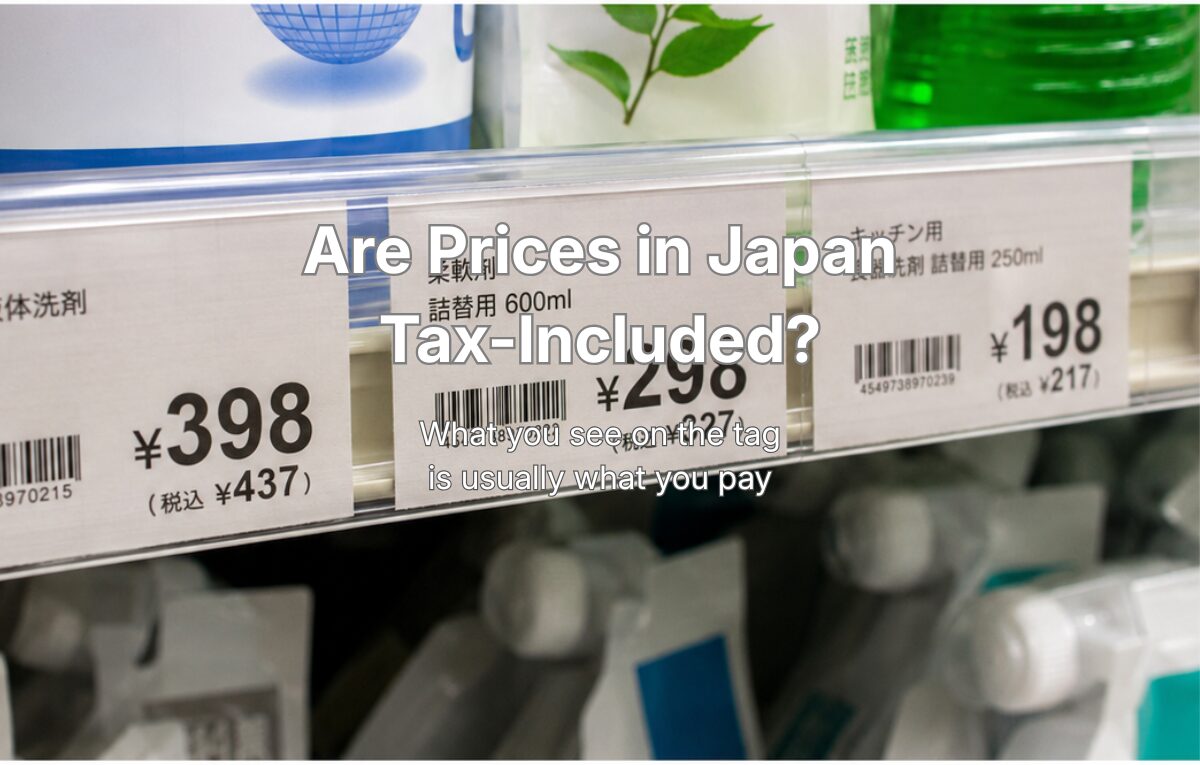
How Does Consumption Tax Work in Japan? Japan has a consumption tax (shohizei) with two rates: 10% — standard rate, applied to most goods and services 8% — reduced rate, applied to most food and non-alcoholic drinks Since 2021, retailers selling to consumers have been required to display prices inclusive of tax. This means that in most shops — clothing, electronics, souvenirs, convenience stores — the number on the tag is the number you pay. What to Watch For on Price Tags The standard display looks like one of these: ¥1,100(税込) — tax included, clearly stated ¥1,100 — tax included ...
