Takumi Saito

2026/7/26 topic-health
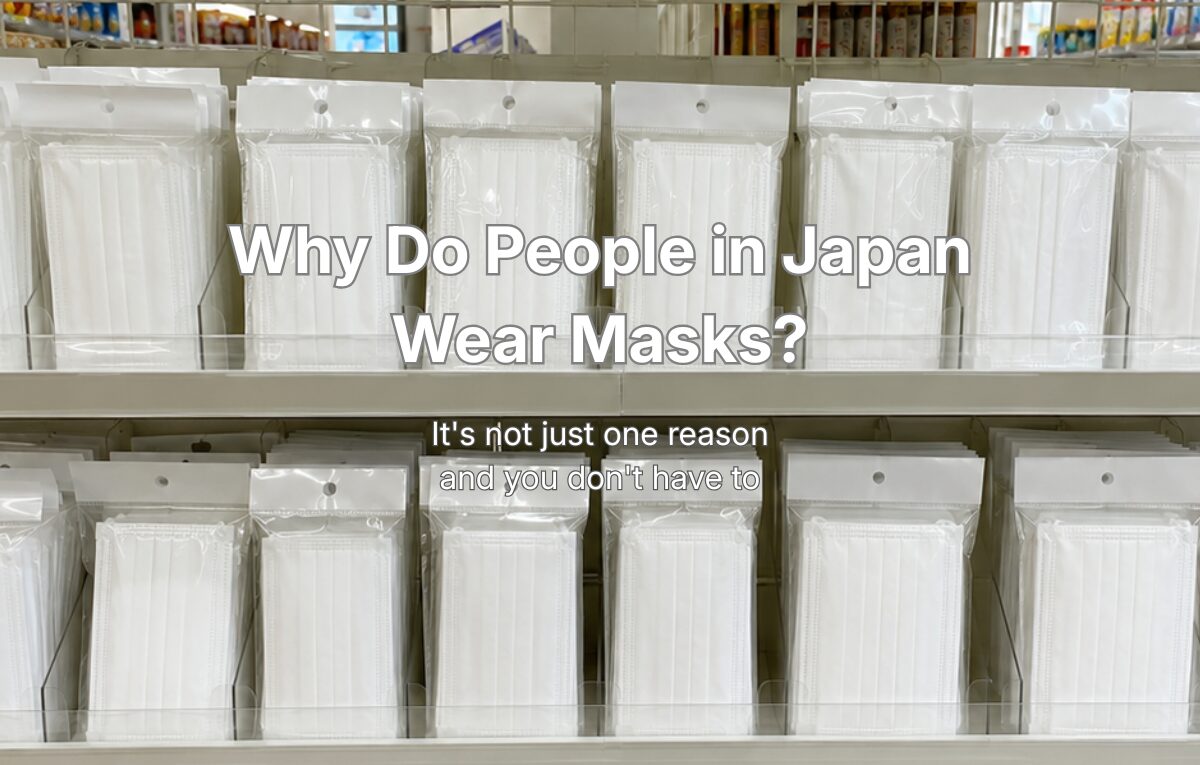
Why Do So Many People Still Wear Masks? The reasons vary from person to person, and often overlap: Infection prevention — reducing the risk of catching or spreading colds, flu, and other respiratory illnesses Consideration for others — when feeling unwell, wearing a mask is a way of not passing something on; this is treated as basic cough etiquette Hay fever — Japan's pollen season runs roughly from February to May, and masks are a standard part of managing symptoms for a large portion of the population Personal preference — some people feel more comfortable wearing one, prefer not to ...
2026/7/26 topic-language
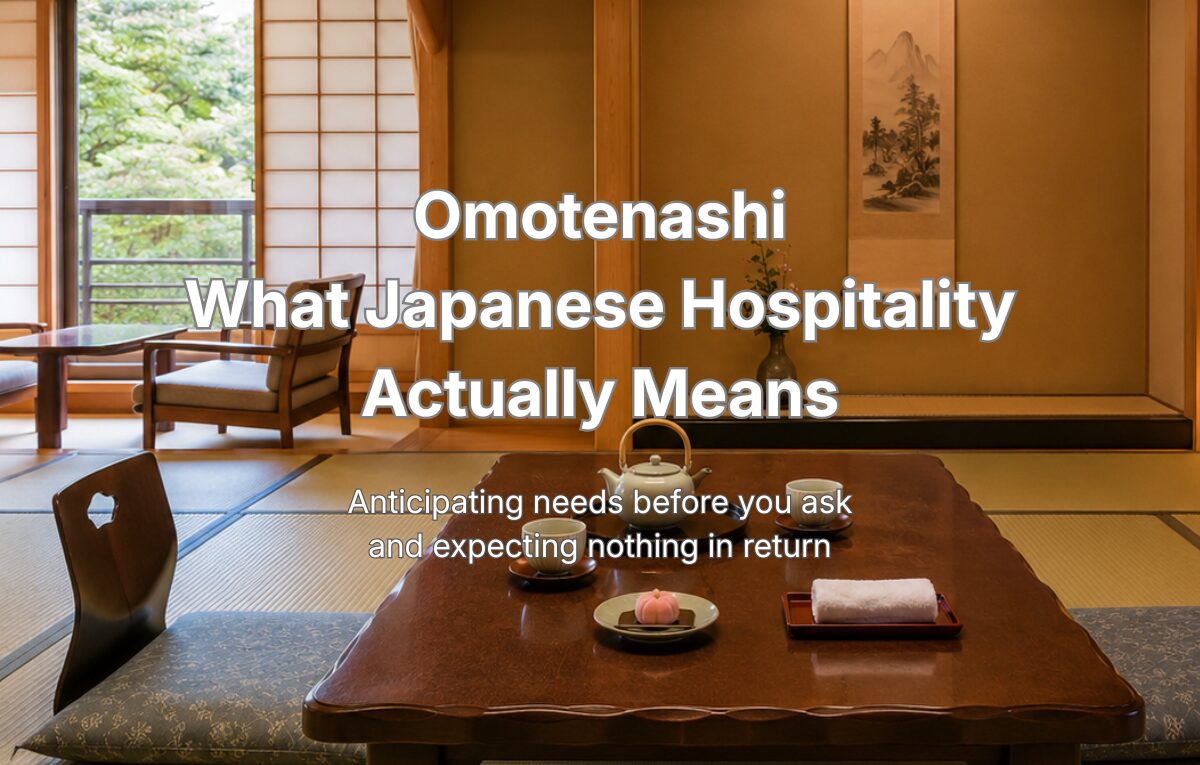
What Is Omotenashi? Omotenashi is a concept frequently associated with Japanese hospitality and service. It describes an approach to caring for others that is not transactional — not performed in exchange for a tip or a reward, but offered as a genuine expression of consideration. The distinguishing quality is anticipation: noticing what someone might need and providing it before they have to ask. That is what separates it from ordinary service in the way the word is typically used. How Does It Show Up in Practice? Visitors often notice it in small, unremarkable moments: An oshibori (wet towel) arrives at ...
2026/7/26 topic-language
What Does Sumimasen Actually Mean? It depends on the situation. The same word covers several distinct uses in English: Calling a staff member — "Sumimasen!" said toward a waiter or shop clerk means "Excuse me" Bumping into someone — a quick "sumimasen" means "I'm sorry" Passing in front of someone — said quietly while moving through means "Pardon me" After someone has helped you — "sumimasen, arigatou gozaimasu" carries a sense of "thank you, and sorry for the trouble" — gratitude mixed with a small acknowledgment of having imposed Why Does One Word Cover So Much? At the heart of ...
2026/7/26 topic-transport
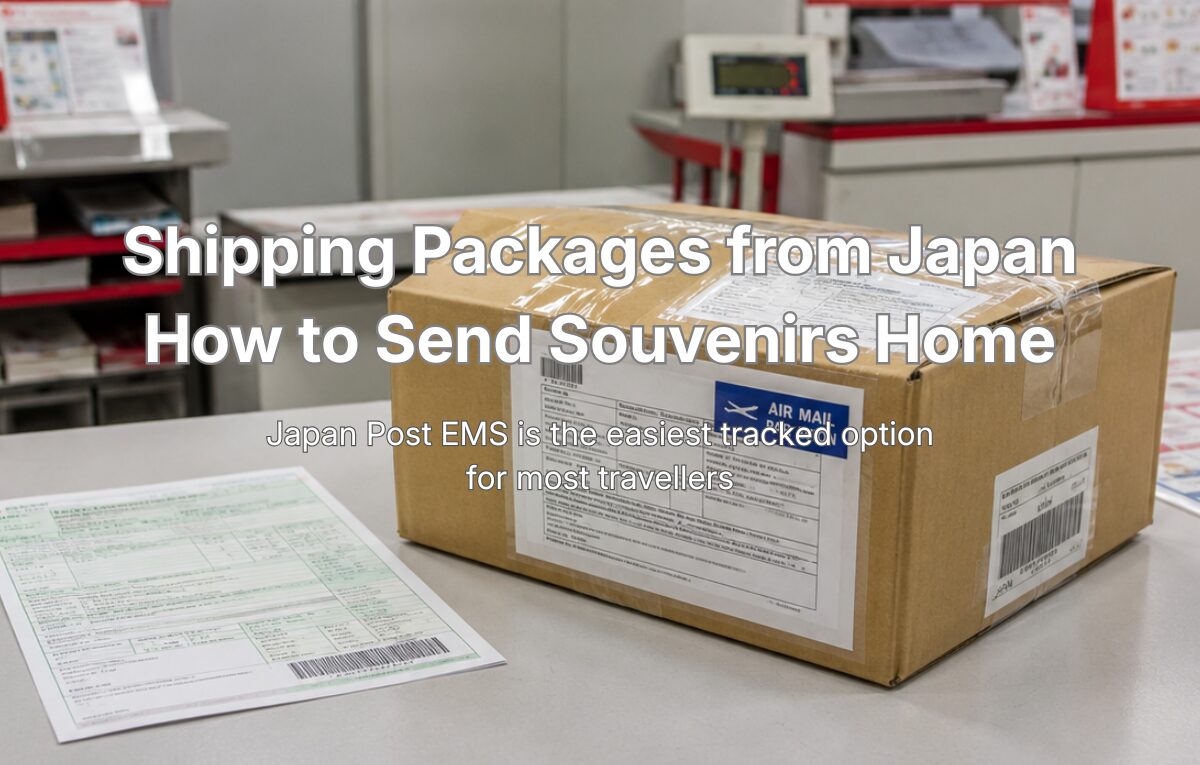
What Are the Main Options? Japan Post is the most accessible starting point for most travellers: EMS (Express Mail Service) — Japan Post's tracked express international service. Fast, reliable, and available to most countries. Often the easiest fast option for travellers sending souvenirs or excess luggage. International parcel post — airmail and surface options at lower prices but longer delivery times. Availability and conditions vary by destination country. Private couriers are also an option: Yamato International — available to select countries; English-language tracking and some English support available FedEx, DHL, UPS — higher cost, strong tracking, faster to some destinations; ...
2026/7/26 topic-language
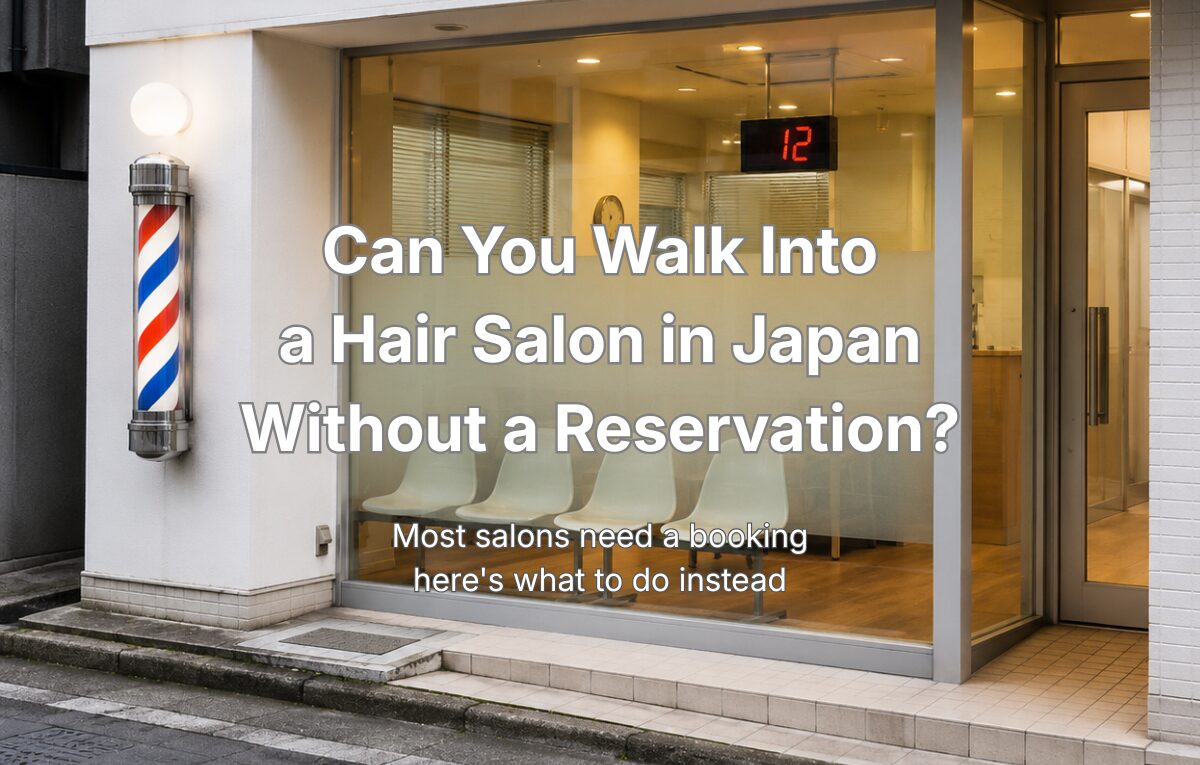
Are Walk-Ins Common? At independent salons, no. Most operate by reservation, and showing up without one — even if the shop looks quiet — often results in being told there are no slots available. Walking into a regular salon without booking is not a common habit in Japan, and the system is set up around advance appointments. Cut-only chains are a different category entirely. These operate on a queue or waiting-number system and are designed for quick, no-reservation visits. What Are the Options? For travellers who need a haircut without a prior booking: Cut-only chains (e.g. QB House) — no ...
2026/7/26 topic-safety
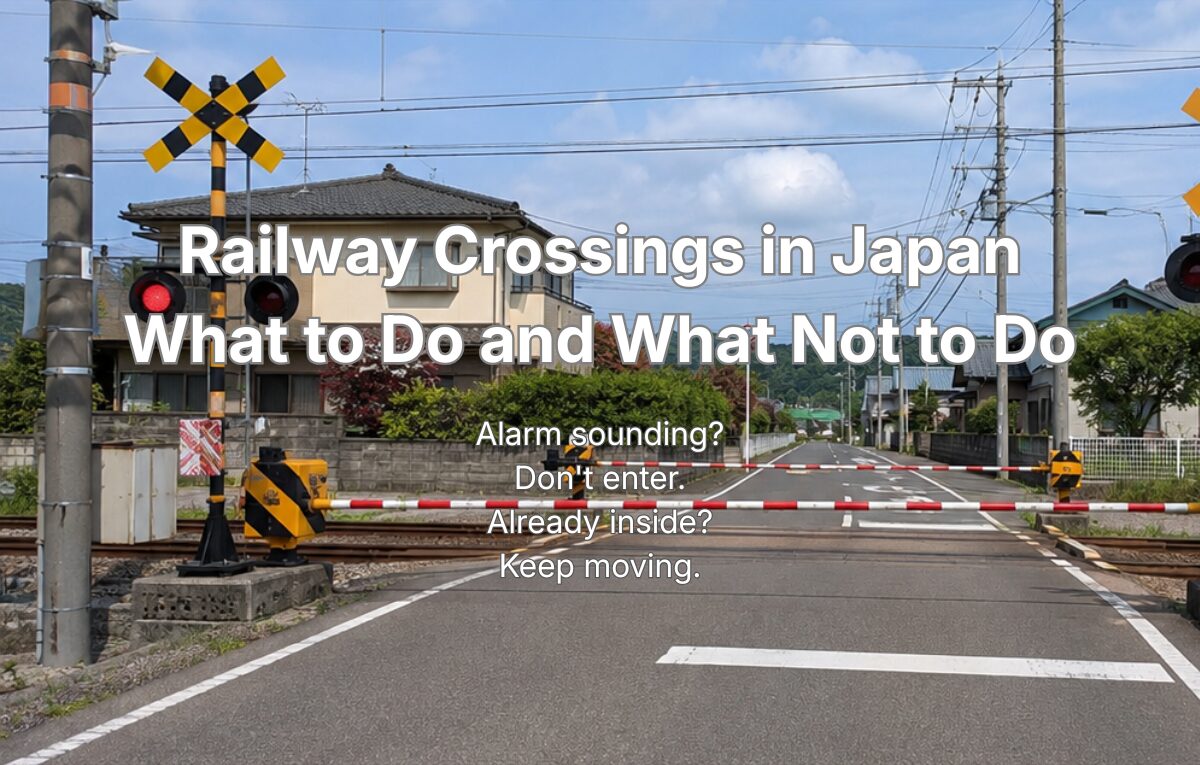
How Railway Crossings Work in Japan? As a train approaches, the crossing activates in sequence: an alarm sounds (a repeated bell tone), warning lights begin flashing, and the barriers lower across the road. Once the train has passed, the barriers rise and crossing resumes. The system is reliable and the sequence is consistent. The alarm and flashing lights give you clear advance warning — the barrier coming down is the final signal, not the first. What You Must Not Do Do not enter when the alarm is sounding — even if the barrier has not fully lowered yet Do not ...
2026/7/26 topic-safety
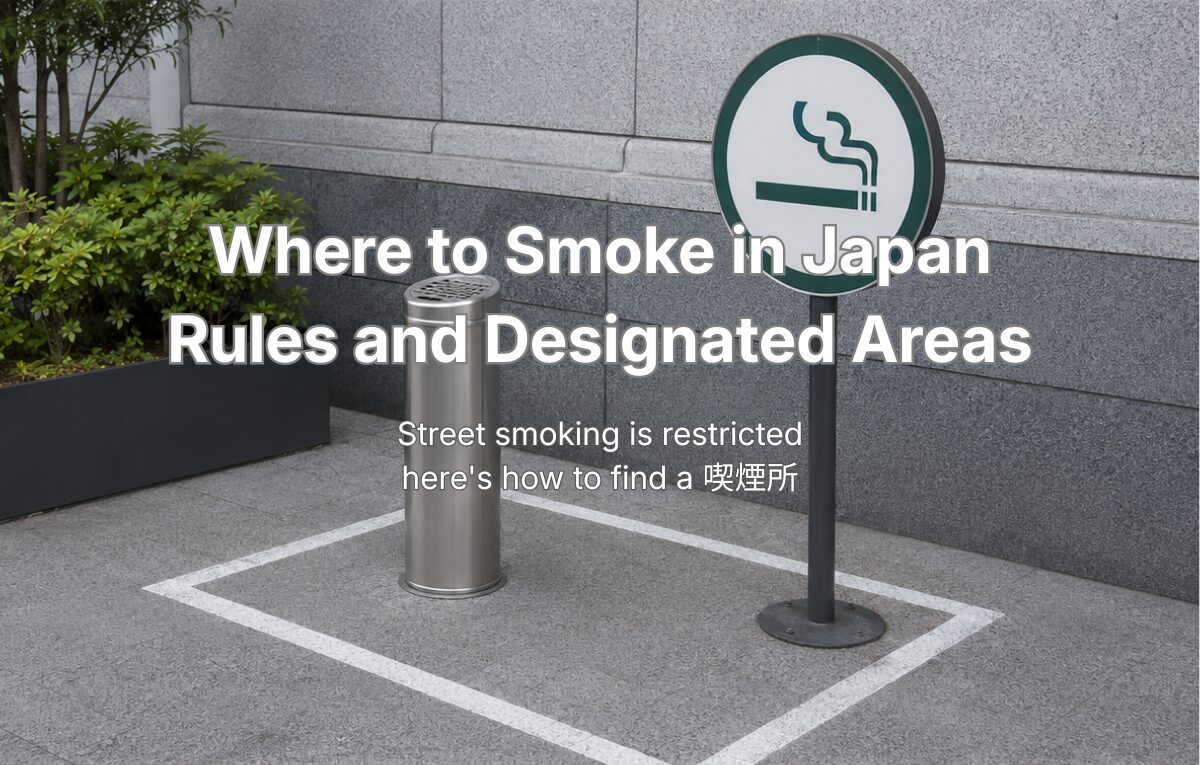
Is Smoking Allowed on the Street? It depends on where you are, but in most urban areas the answer is effectively no. Local ordinances restrict or prohibit street smoking across many cities and districts — Tokyo's Toshima Ward, for example, designates the entire ward as a no-smoking zone on public streets. Fines apply in areas with active enforcement. The old assumption — that a visible ashtray means smoking is permitted — no longer holds. The safer approach is to assume street smoking is not allowed and look for a designated area. Where You Can Smoke Designated outdoor smoking areas — ...
2026/7/26 topic-safety
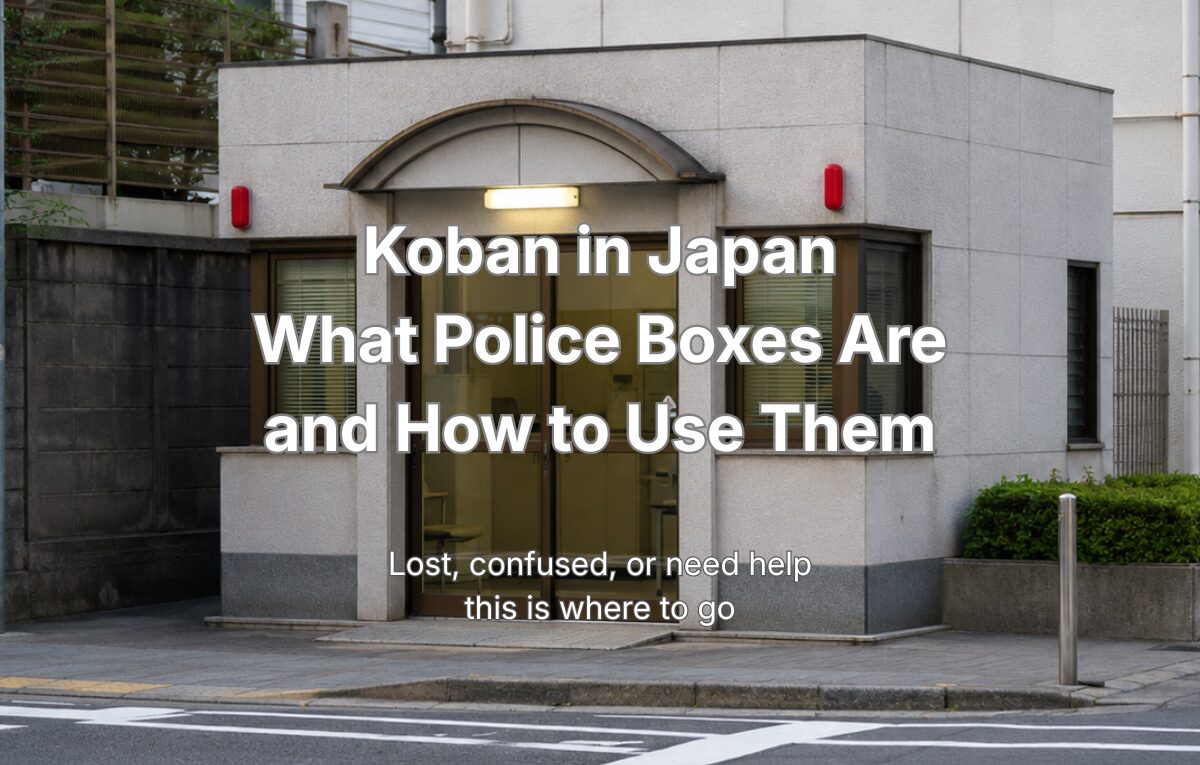
What Is a Koban? Koban are small, staffed police outposts distributed throughout Japanese cities and towns. Unlike a police station, which handles serious investigations and administration, a koban is designed for everyday community contact — a visible, accessible point where local officers can be found throughout the day. They appear near station exits, at busy intersections, and in shopping areas. The word koban is sometimes used in English-language contexts as well, particularly in discussions of Japanese urban design and public safety. What Can You Do There? A wider range of things than most visitors expect: Ask for directions — officers ...
2026/7/26 topic-digital
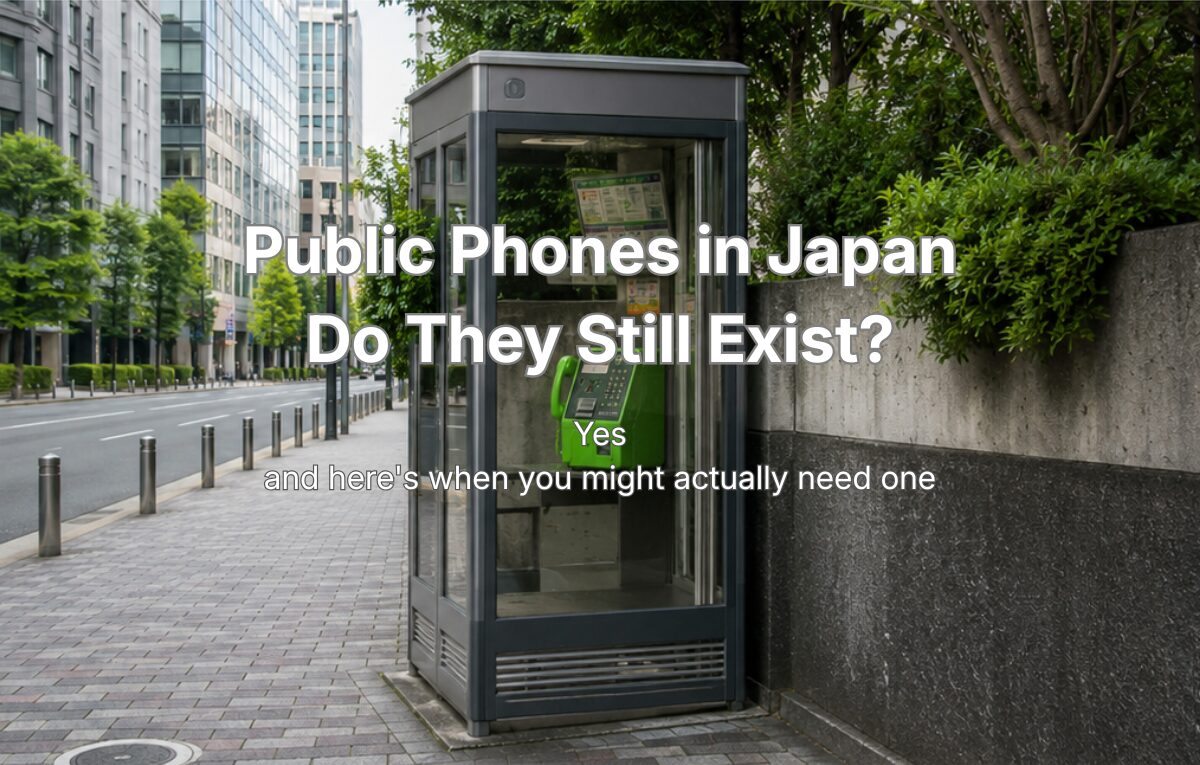
Are Public Phones Still Around? Yes. They are harder to find than they once were, but public phones have been maintained as an emergency communication option — particularly for use during disasters, when mobile networks can become congested or go down entirely. Major train stations, hospitals, large shopping facilities, and government buildings tend to have them. If you need one, those are the first places to check. How to Use One The basic process: When Would You Actually Need One? For most travellers, the answer is probably never. But the situations where one becomes genuinely useful: Your phone battery has ...
2026/7/26 topic-language
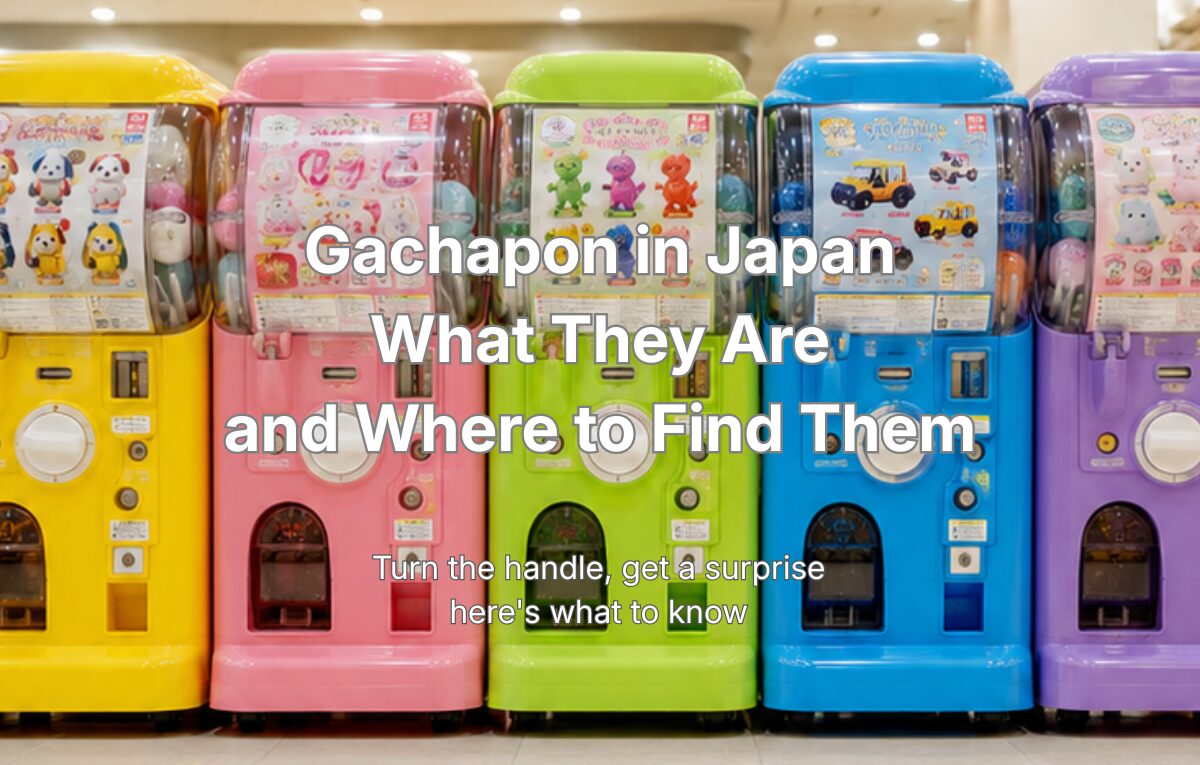
What Is Gachapon? The name comes from the sounds the machine makes: gacha for the turning of the handle, pon for the capsule dropping out. The machines are also called gachagacha in some parts of Japan — same thing, different nickname. Inside the capsule you might find a miniature figure, a keychain, a small accessory, a sticker sheet, or a piece of tableware. Themes cover a huge range: anime characters, food replicas, animals, Japanese cultural icons, and plenty of things that are simply strange and charming. The variety is part of what makes browsing the machines enjoyable even before you ...
