Takumi Saito

2026/7/26 topic-language
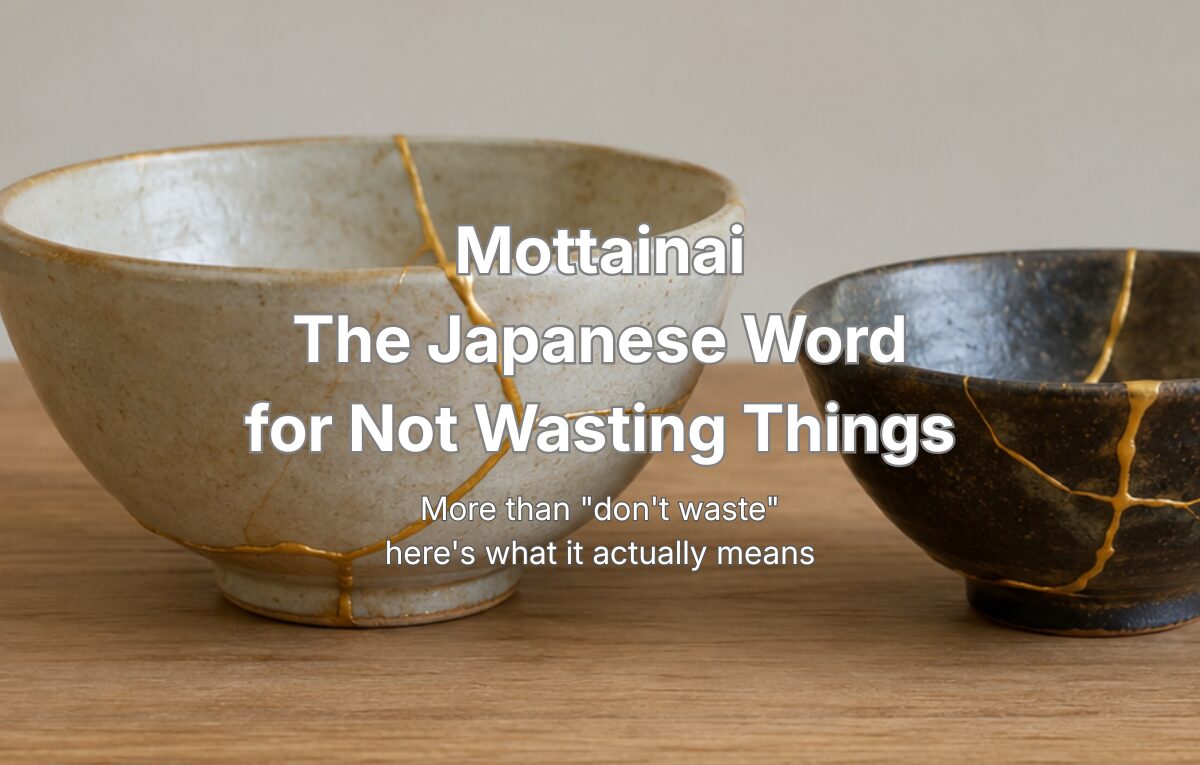
What Does Mottainai Mean? The feeling it describes: something still had value, and now that value is gone unnecessarily. It sits somewhere between regret and mild reproach — not anger, but a genuine sense that something worth keeping has been lost. It applies broadly: Throwing away food that could still be eaten Discarding clothes or objects that still work Letting an opportunity pass without using it Failing to appreciate someone's kindness or effort The word does not carry judgement so much as a kind of wistfulness — the thing could have been used, and now it cannot. Why Does This ...
2026/7/26 topic-language
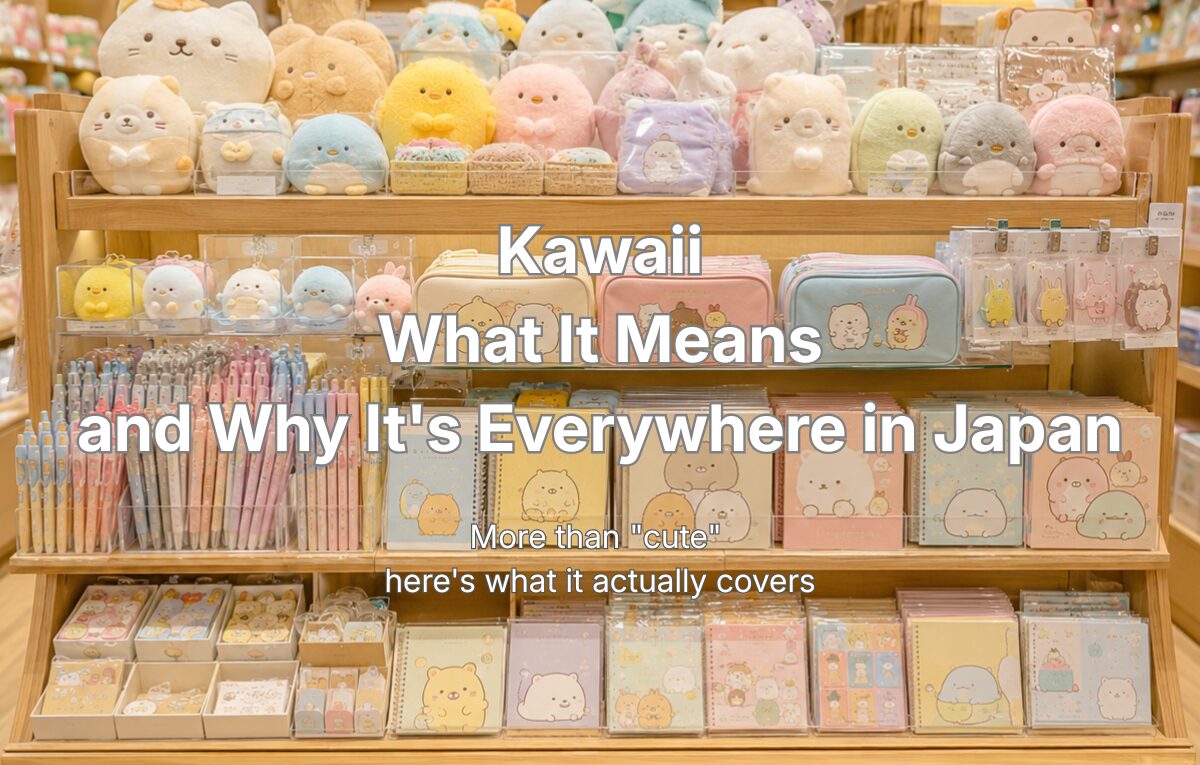
What Does Kawaii Actually Mean? The direct translation is "cute," but the word reaches further than that in Japanese. Things described as kawaii tend to share certain qualities: they are small, round, soft, or non-threatening. They invite warmth rather than distance. The feeling of wanting to protect or care for something — that is kawaii territory. It is not limited to appearance. A way of speaking, a character's personality, a gesture, a sound — all of these can be kawaii. The word describes a quality of feeling as much as a visual one. Why Is Kawaii So Prevalent? Kawaii as ...
2026/7/26 topic-language
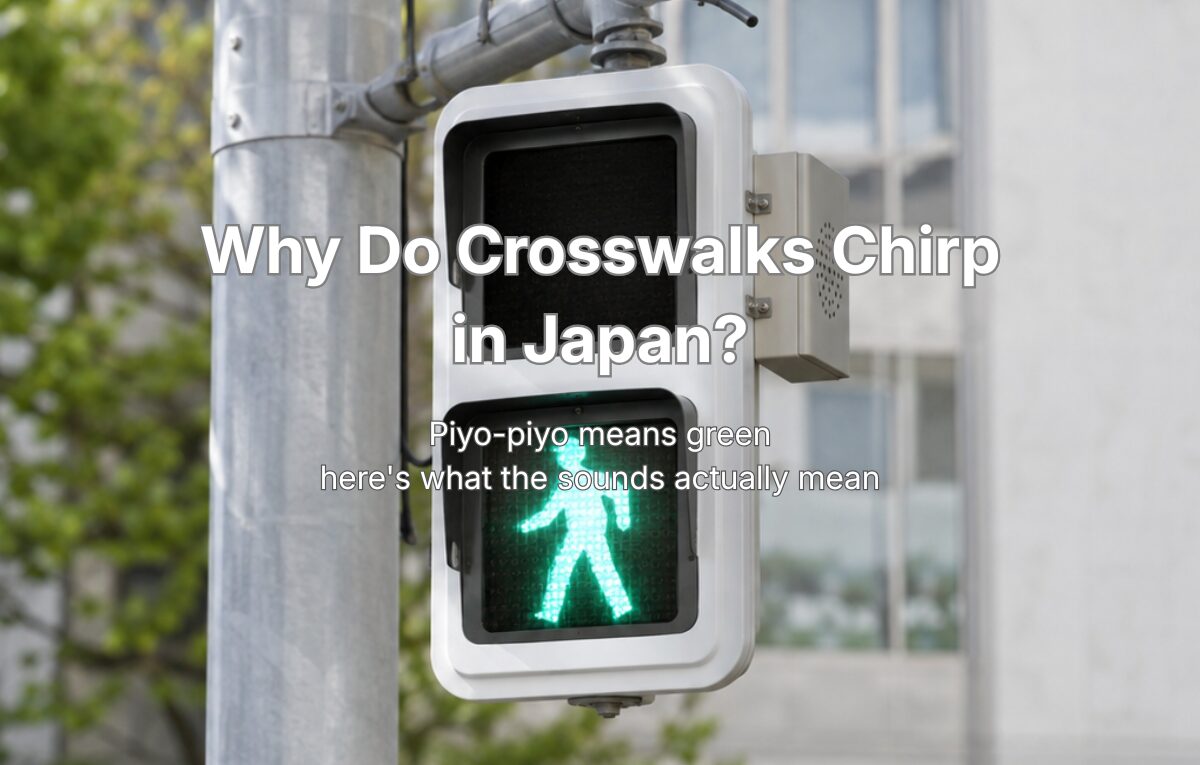
Why Do Japanese Crosswalks Make Sounds? The sounds are part of an audio pedestrian signal system designed to help visually impaired people know when it is safe to cross. When the pedestrian light turns green, the signal emits a distinctive sound — giving an audible cue alongside the visual one. These systems are common at crosswalks in central areas, busy intersections, and places with high pedestrian traffic. Not every crossing has one, particularly in rural areas or at older intersections. What Sounds Do They Make? The most common ones you will hear: Piyo-piyo (ピヨピヨ) — a rapid chirping sound, like ...
2026/7/26 topic-safety
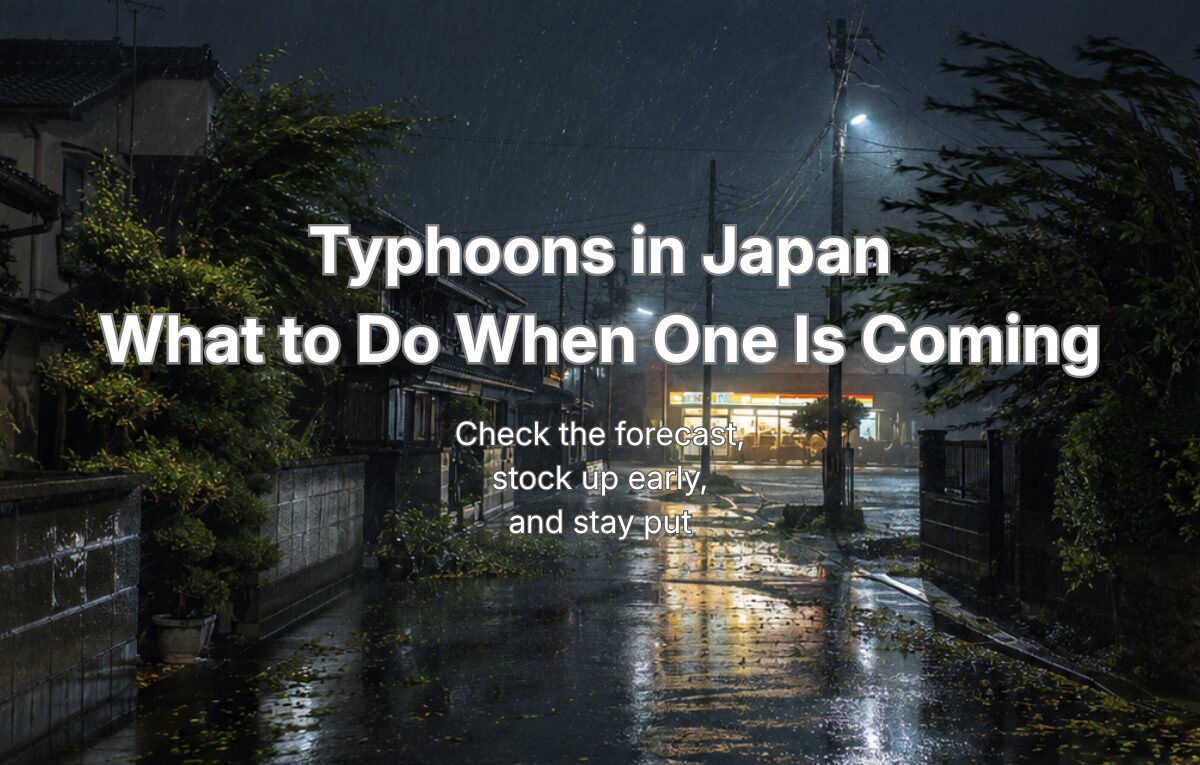
When Do Typhoons Hit Japan? Typhoon season in Japan runs roughly from July to October, with August and September seeing the most frequent landfalls and close approaches. The exact timing, track, and intensity vary significantly from year to year — where a typhoon hits depends entirely on its path, so the regions most commonly affected (Okinawa, Kyushu, Shikoku, the Tokai coast, and the Kanto area) are not always the ones impacted in any given storm. Checking current forecasts from official sources as a typhoon develops gives a much more accurate picture than general seasonal expectations. What Happens to Transportation? As ...
2026/7/26 topic-language
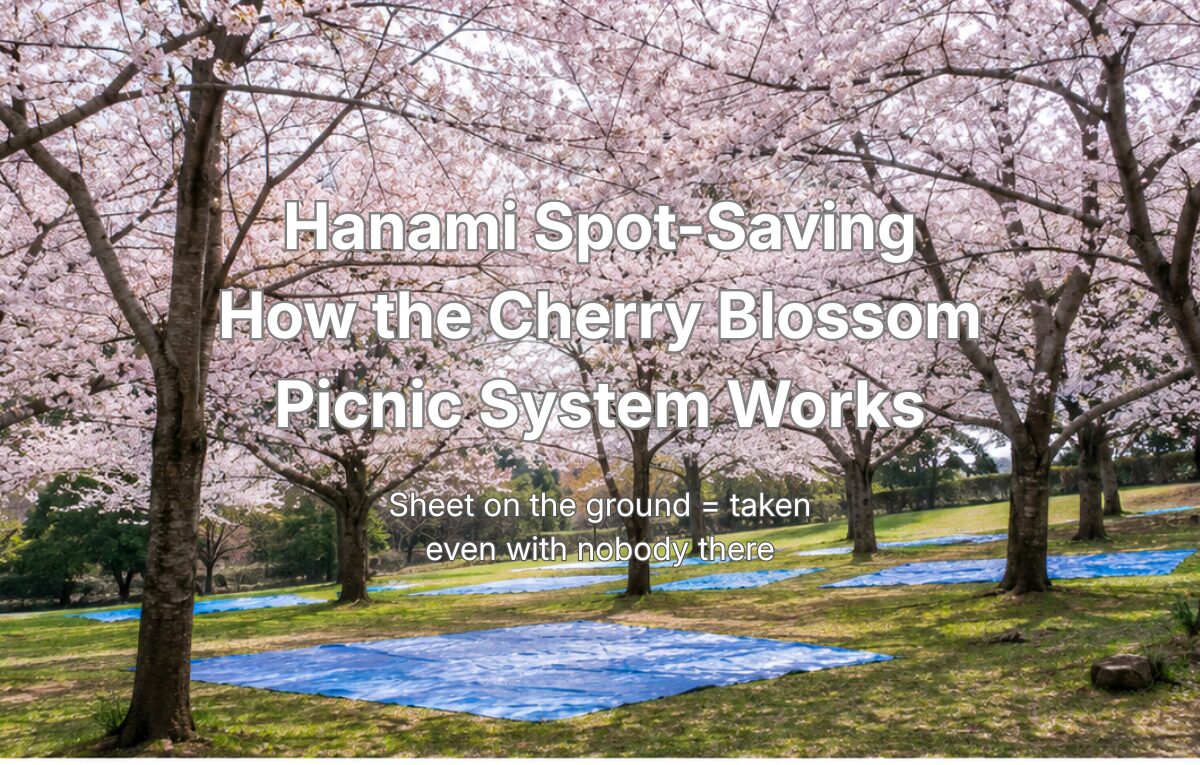
What Is Hanami? Hanami (花見) means "flower viewing" — specifically, the tradition of gathering under cherry blossom trees to eat, drink, and enjoy the bloom. It is one of the most widely participated seasonal events in Japan, involving families, friends, and colleagues. Timing depends on location. In Tokyo, peak bloom is usually late March to early April. In Hokkaido, it comes later — late April to early May. The window is short, which is part of why the atmosphere around it is so concentrated. How Does Spot-Saving Work? At popular hanami parks, good spots fill up fast. The solution is ...
2026/7/26 topic-accommodation
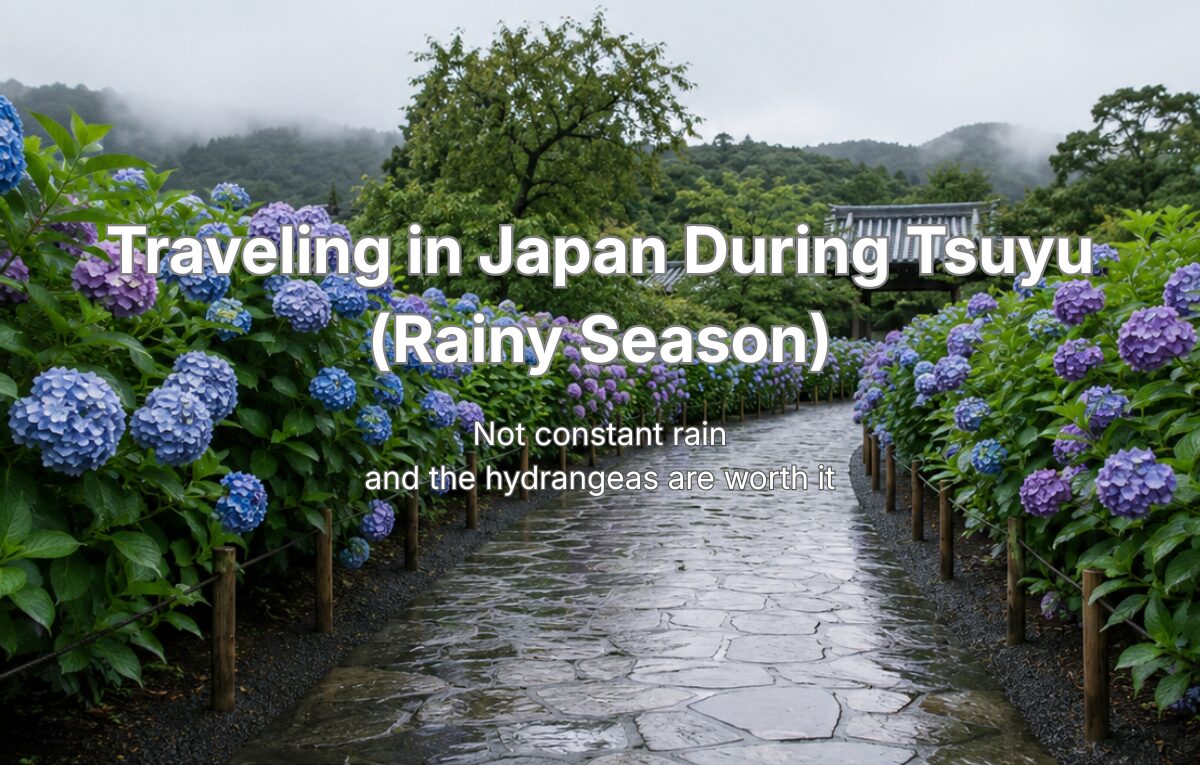
What Is Tsuyu? Tsuyu (梅雨) is an annual weather pattern that brings extended periods of cloud and rain to much of Japan. It typically arrives in June and eases in early July across mainland Honshu, though timing and intensity vary by year and region. Okinawa enters the rainy season earlier, usually around May. Hokkaido largely escapes it. The amount of rain and the duration differ significantly from year to year — some years are mild, others bring sustained heavy downpours. Checking a forecast closer to your travel date gives a much more accurate picture than planning around the average. What's ...

2026/7/26 region-hokkaido, season-winter
How Cold Is It Really? Sapporo's average temperature in January sits a few degrees below zero, but wind chill pushes the felt temperature lower. Inland cities experience considerably harsher conditions. The exact temperature depends heavily on where you are going and when. One thing that catches visitors off guard: the contrast between outside and inside. Buildings, trains, and shops in Hokkaido are well-heated — often very warm. You will be moving between extreme cold and comfortable warmth repeatedly throughout the day, which is exactly why layering matters. The Three-Layer System What About Footwear? This is where most visitors underestimate the ...
2026/7/26 topic-language
Why Do Japanese People Ask About Blood Type? Blood type personality theory has been part of Japanese popular culture for decades. It works roughly the same way as astrology — a light framework for talking about personality, compatibility, and tendencies. It appears in magazines, relationship advice, and casual conversation, and has stayed around as a familiar topic in everyday small talk. The question "What's your blood type?" is not meant as anything medical or intrusive. It is usually an opening to a lighthearted exchange. The Four Blood Types and Their Stereotypes These are common personality associations — stereotypes, not facts. ...
2026/7/26 topic-language
What Is Aizuchi? Aizuchi are short, frequent responses made by the listener during a conversation — small verbal signals that keep the exchange flowing. Rather than staying silent while the other person talks, Japanese speakers tend to offer these brief reactions at natural pauses throughout. In Japanese conversation, the listener's responses are part of the dialogue itself. Without them, a conversation can feel one-sided or disconnected — as though the listener is not really engaged. Aizuchi fill that role. Common Aizuchi Expressions Some you are likely to hear: はい / ええ (hai / ee) — "yes," "right," "I see" — ...
2026/7/26 topic-language
Why Don't Japanese People Say No Directly? A direct refusal carries risk in Japanese social contexts. Saying no outright can feel like it damages the other person's face — their sense of dignity or standing — or disrupts the relationship between the two people. To avoid that, the preference is often to decline indirectly, leaving the listener to pick up the meaning from tone, phrasing, and context rather than from the words alone. This is not evasiveness for its own sake. It is a form of consideration — a way of letting someone down without making the moment feel like ...
