Takumi Saito

2026/8/3 topic-transport
Night buses in Japan are cheap, punctual, and surprisingly comfortable — and they come with an unspoken agreement: everyone on board is trying to sleep. If it's your first time, the rules aren't complicated, but knowing them in advance makes the difference between a smooth night and an awkward one. Here's the full picture. Why Etiquette Matters More on a Night Bus A night bus is not just transportation. After the lights go out, it becomes a shared sleeping space — strangers spending four to ten-plus hours at close range, all with the same goal. Most etiquette rules are simply ...
2026/8/3 topic-safety
You've seen the photos: groups spread out under cherry blossoms with beer and sake, laughing in a public park. So is drinking in Japanese parks simply allowed? The honest answer is: often yes, sometimes no, and the difference is decided park by park. Here is how to tell which situation you're in. The Short Answer: Not Banned Nationwide, but Local Rules Apply Japan has no national law that prohibits drinking alcohol in public parks. That is why park drinking exists here in a way it doesn't in some countries. But "not banned nationwide" is not the same as "allowed in ...
2026/8/3 topic-language
A stranger walks you two blocks to the station entrance you couldn't find. Someone chases you down the street with the phone you left on the bench. Now what? In some countries you might offer money; in others a hug. In Japan, the answer is simpler than you might expect — and knowing it saves you from an awkward moment. The Basic Formula: Words + a Small Bow The core move is this: "ありがとうございます" (Arigatō gozaimasu) plus a small nod of the head. The bow does not need to be deep — a light bow is plenty. On the two ...
2026/8/3 topic-language
Someone hands you a beautifully wrapped gift. Your instinct might be to open it right away and show how happy you are — but the other person seems to expect you to just... put it away? Or maybe they're waiting for you to open it? Here is how gift-opening actually works in Japan, and the one question that solves most of the confusion. The Traditional Custom: Opening It Later Traditionally, especially in formal situations, the recipient might thank the giver and open the gift later, after the giver has left. One practical reason: opening the gift later can avoid putting ...
2026/8/3 topic-language
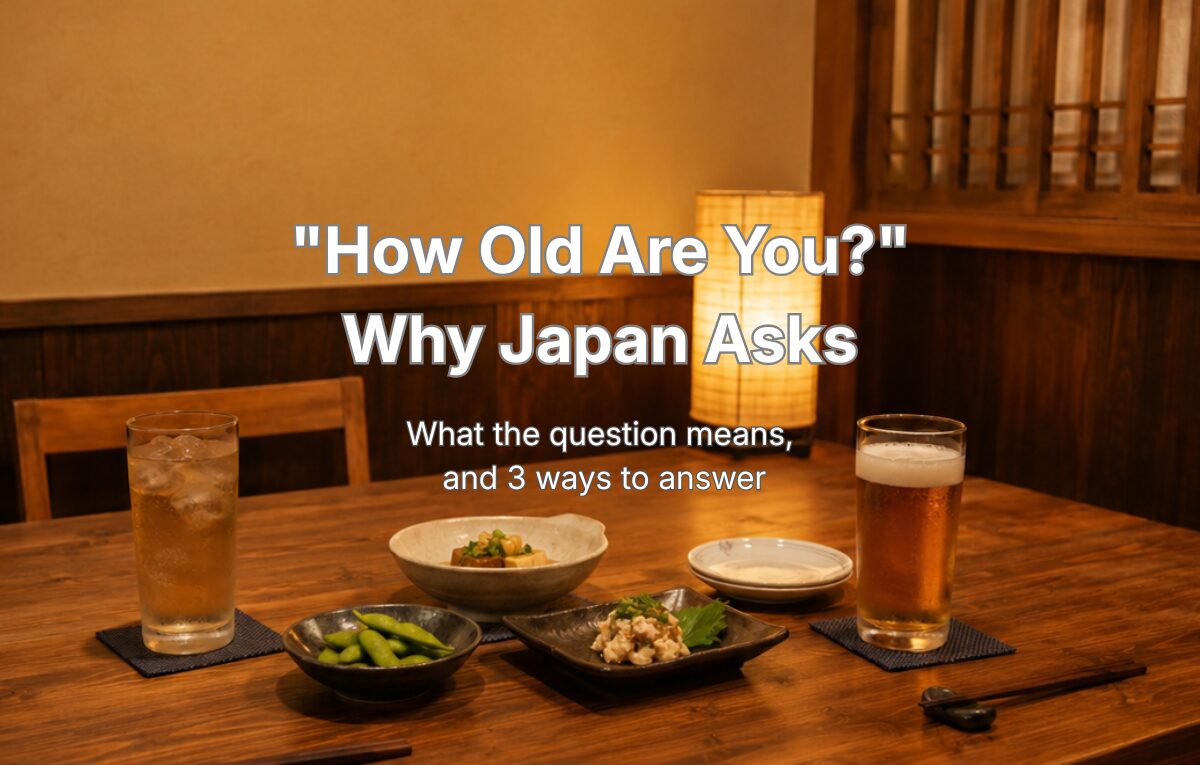
You're chatting with someone at an izakaya, the conversation is going well, and then: "How old are you?" If that question would feel out of place where you come from, the moment can be jarring. Here is why the question comes up in Japan, what it usually means, and how to respond — including how to not answer. Why Do People Ask? There are a few common reasons, and none of them is usually about prying: To understand the relationship. Japanese social relationships sometimes reflect age, school year, workplace seniority, or position. Knowing roughly where someone stands can be one ...
2026/8/3 topic-language
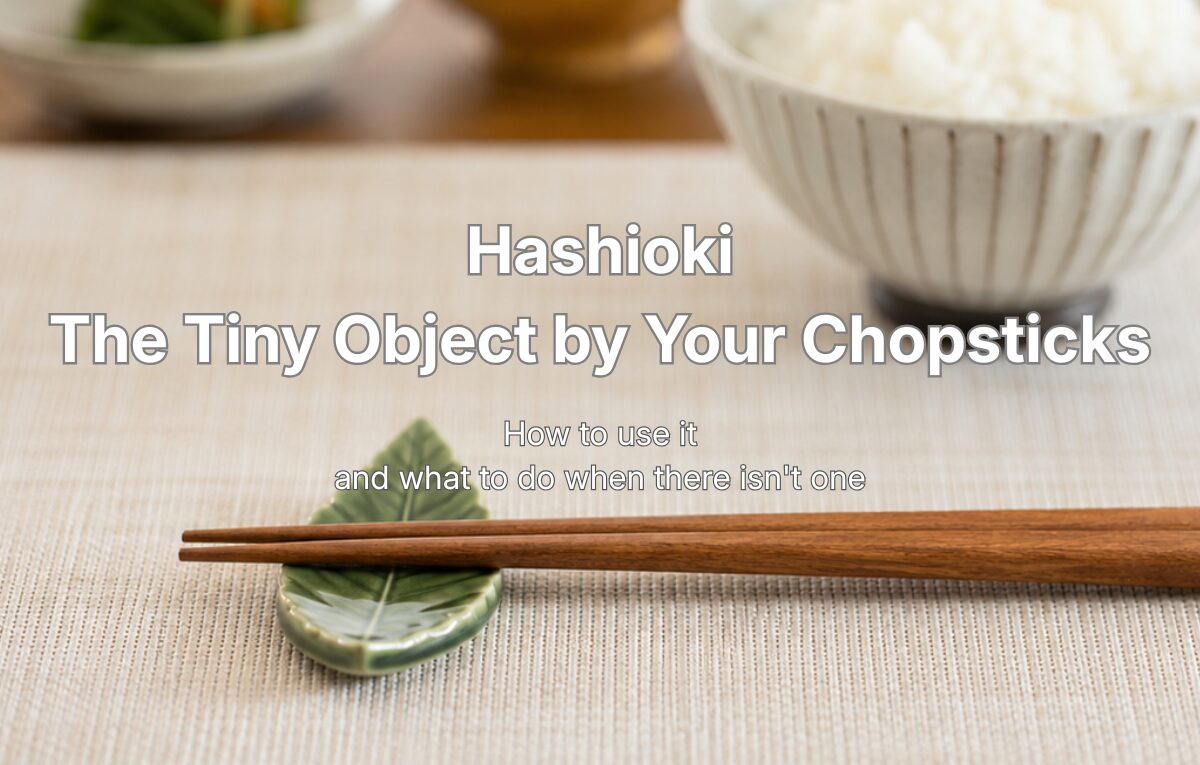
Next to your chopsticks sits a small ceramic object shaped like a fish, a leaf, or just a simple bar. Many first-time visitors quietly wonder what it is — decoration? A tiny plate? It is a hashioki, a chopstick rest, and once you know how it works, it also answers a bigger question: where are chopsticks supposed to go when you are not holding them? What Is a Hashioki? A hashioki is a small "pillow" for your chopsticks — it keeps the tips from touching the table directly. They come in ceramic, wood, glass, and metal, and many have playful ...
2026/7/26 topic-health
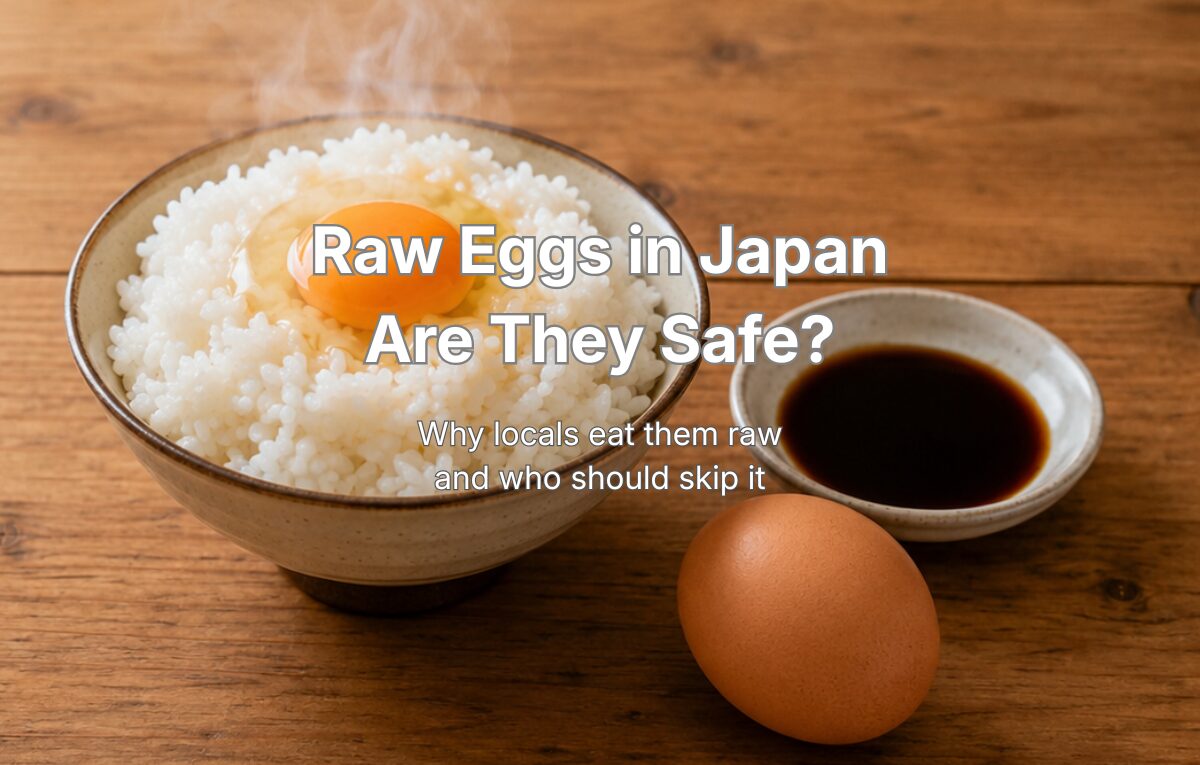
A bowl of hot rice arrives with a raw egg on top. Or the sukiyaki comes with a small bowl of beaten raw egg for dipping. If you grew up being told never to eat raw eggs, this moment can be genuinely confusing. Here is why raw eggs are normal in Japan, what actually makes the risk lower here, and how to decide whether to try them. Why Do Japanese People Eat Raw Eggs? Raw or lightly cooked egg dishes appear across everyday Japanese food: Tamago kake gohan (TKG): a raw egg mixed into hot rice with soy sauce. A ...
2026/7/26 topic-money
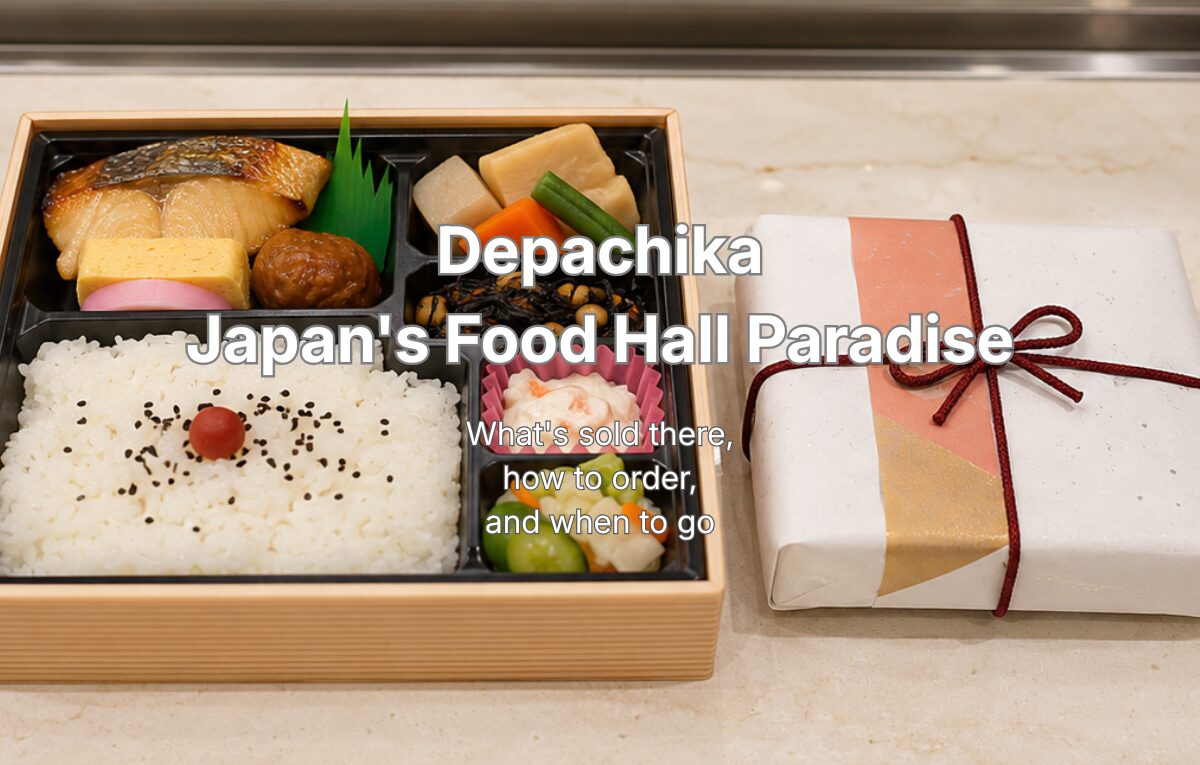
You take the escalator down at a department store, and suddenly you are surrounded by food counters in every direction — bento boxes, fried dishes, beautifully wrapped sweets, and fruit priced like jewelry. This is a depachika, and if you have never seen one before, it can be confusing to know what it is for and how to use it. Here is how it works. What Is a Depachika? The word combines depato (department store) and chika (basement). Many large department stores — Mitsukoshi, Isetan, Daimaru, Takashimaya, and others — have a food floor in one or more basement levels. ...
2026/7/26 topic-language
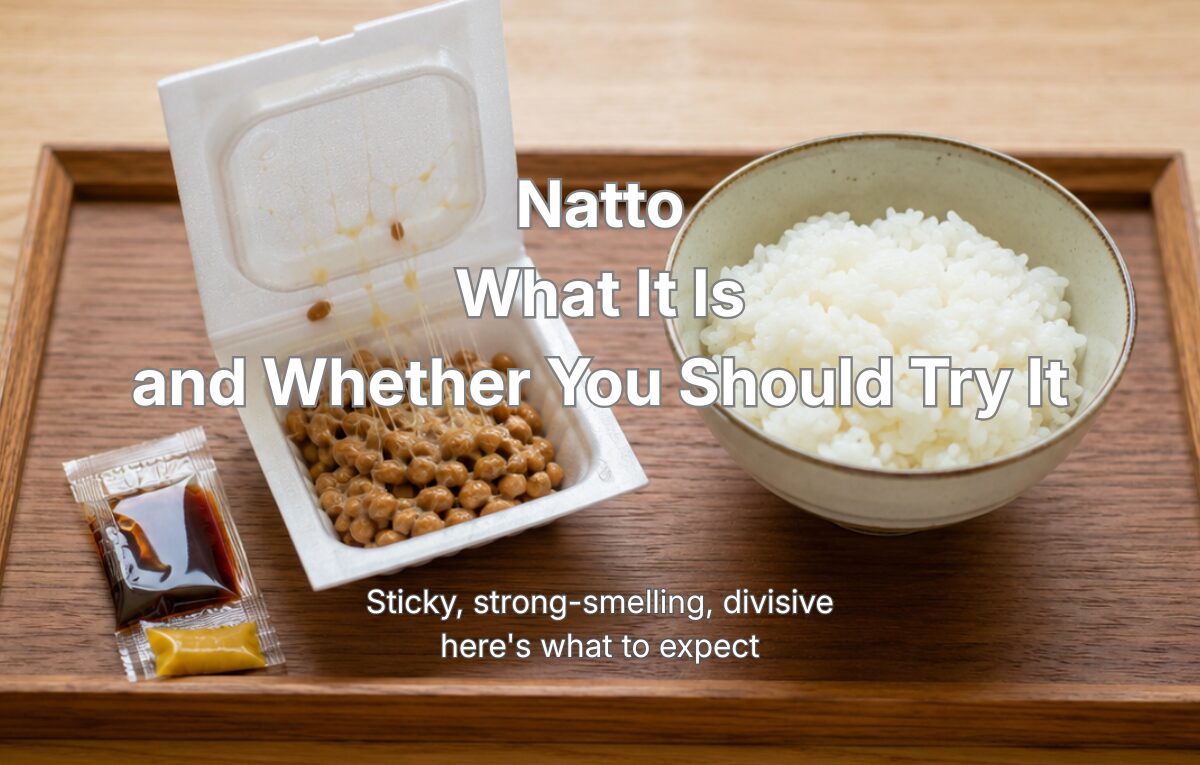
What Is Natto? Natto is made by fermenting soybeans with a specific bacteria. The result is a sticky, stringy food with a strong smell and a complex flavour. It is high in protein and vitamin K, and has long been part of the Japanese diet — particularly at breakfast, served over rice. It is one of those foods that tends to provoke a strong reaction either way. What Does It Taste and Smell Like? The smell is a strong fermented one — noticeable before you even open the container. If you eat aged cheese or other fermented foods without trouble, ...
2026/7/26 topic-digital
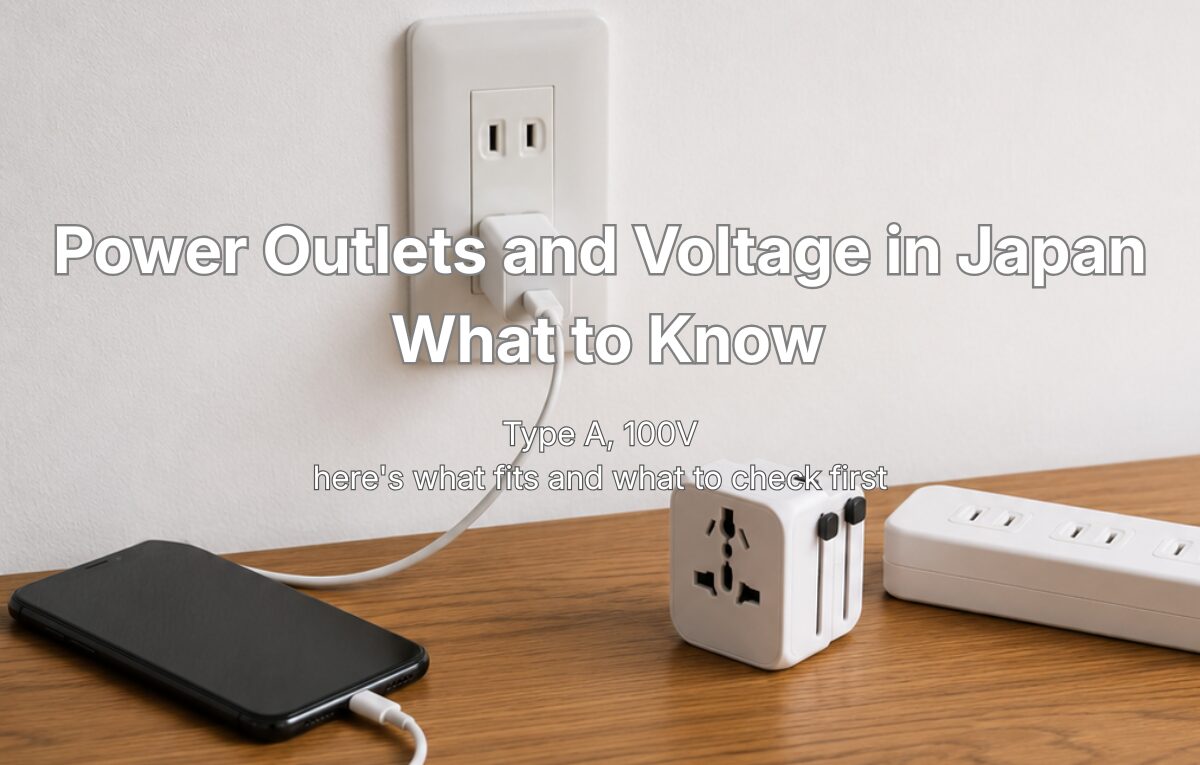
What Type of Outlets Does Japan Use? Japan uses Type A outlets: two flat, parallel slots, ungrounded. The shape is similar to North American outlets. If your plug has two flat parallel pins, it will generally fit. Three-pin plugs — whether the grounded US style or European round-pin types — do not fit without an adapter. If your device uses a three-pin plug, check what is available before you travel. What About Voltage? Japan runs at 100V, which is lower than most other countries (many use 220–240V). Eastern Japan operates at 50Hz and western Japan at 60Hz, though for most ...
