Takumi Saito

2026/7/2 topic-transport
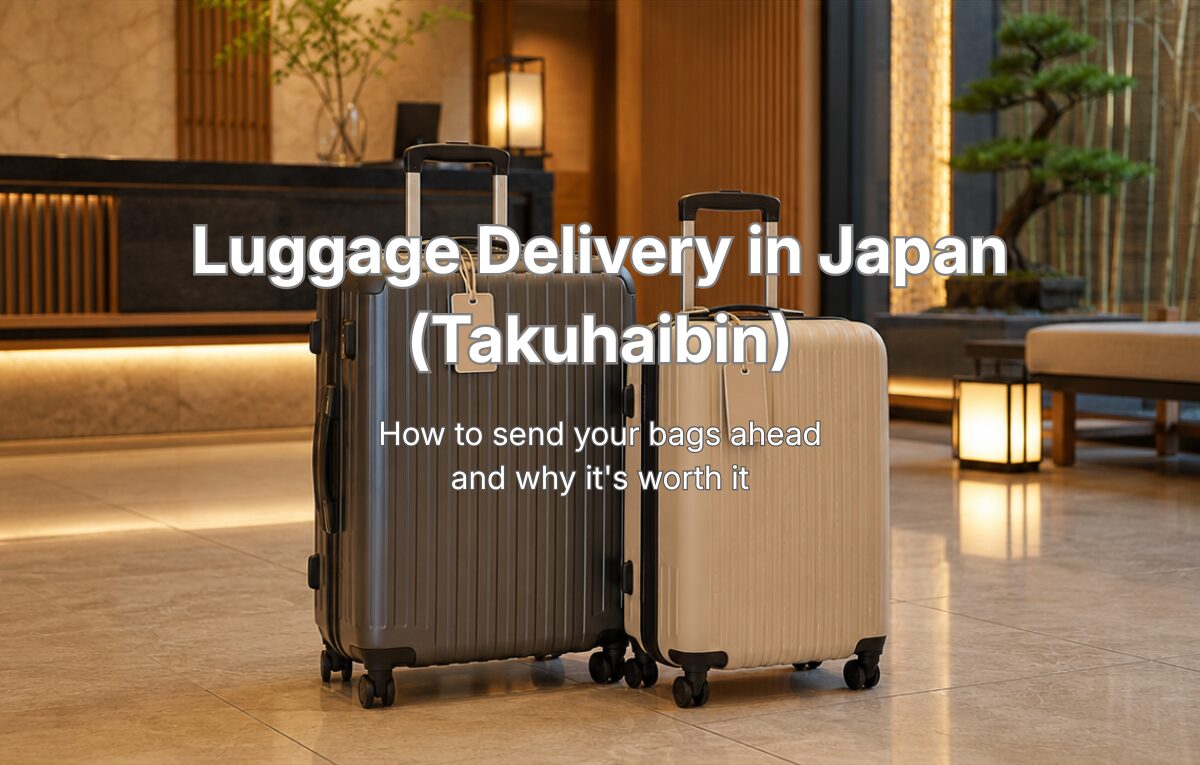
Carrying a large suitcase through crowded train stations and onto the Shinkansen is one of the more stressful parts of traveling in Japan. There's a straightforward way to avoid it. What Takuhaibin Is Many people use "takuhaibin" to refer to luggage delivery services in Japan generally. The best-known operator is Yamato Transport (クロネコヤマト), which is also the most practical choice for travelers. Other operators include Sagawa Express and Japan Post (Yu-Pack). The service is reliable nationwide. You send a bag from one location, and it arrives at the destination within one to two days. Hotels, airports, and many convenience stores ...
2026/9/18
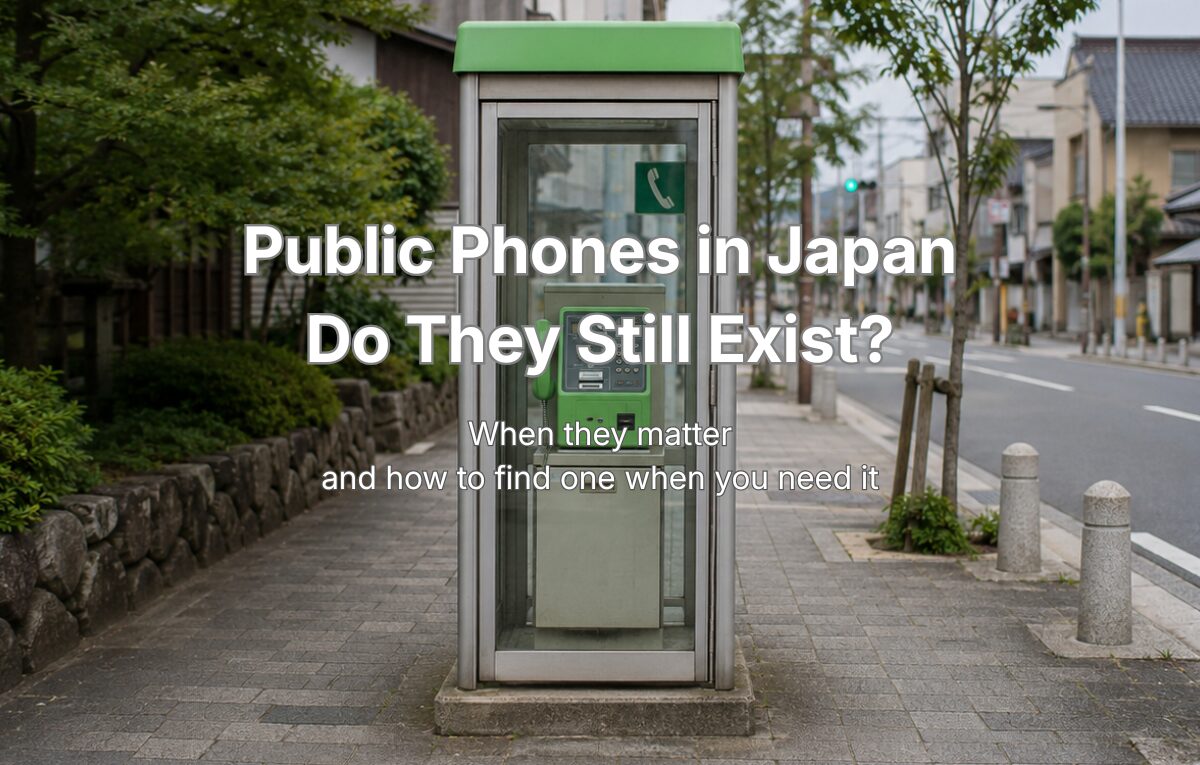
You probably won't need a public phone on a normal trip to Japan. But in the right situation — a dead battery, a lost phone, or a major earthquake — knowing where one is can matter more than you'd expect. Yes, Public Phones Still Exist in Japan Public phones haven't disappeared. They're less common than they were twenty years ago, but they're still maintained and operational across the country. You'll find them at: Major train stations (near ticket gates or in the concourse) Hospitals (usually on the ground floor lobby) Large public buildings and government offices Shopping malls and major ...
2026/6/30
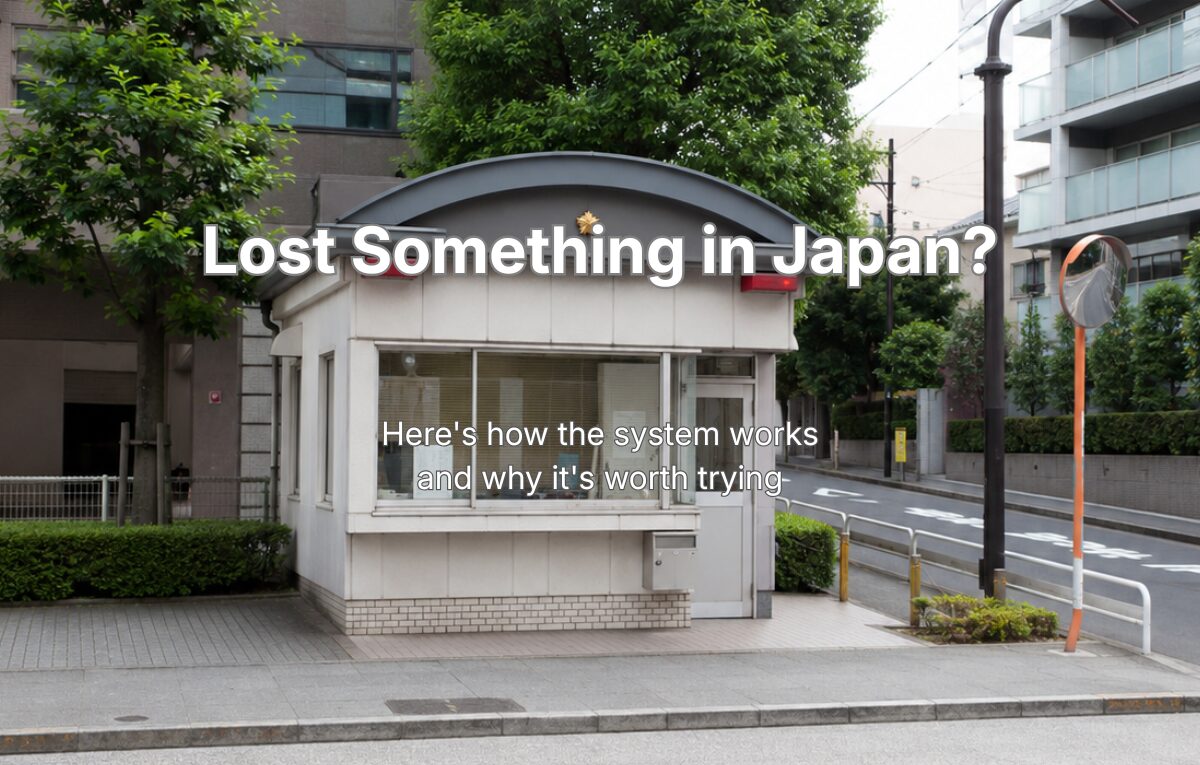
You've just realized something is missing. Before you give up, here's what to know: Japan has one of the most reliable lost-and-found systems many travelers will ever experience. Why Lost Items Are Often Recoverable in Japan In Japan, turning in found items is deeply embedded in everyday behavior. Wallets, phones, cameras, and even bags of cash get handed in to stations, convenience stores, and police boxes on a regular basis. Many lost items are turned in within hours of being found. This doesn't mean recovery is guaranteed — but the chance of getting something back is often higher than most ...
2026/6/17 topic-money
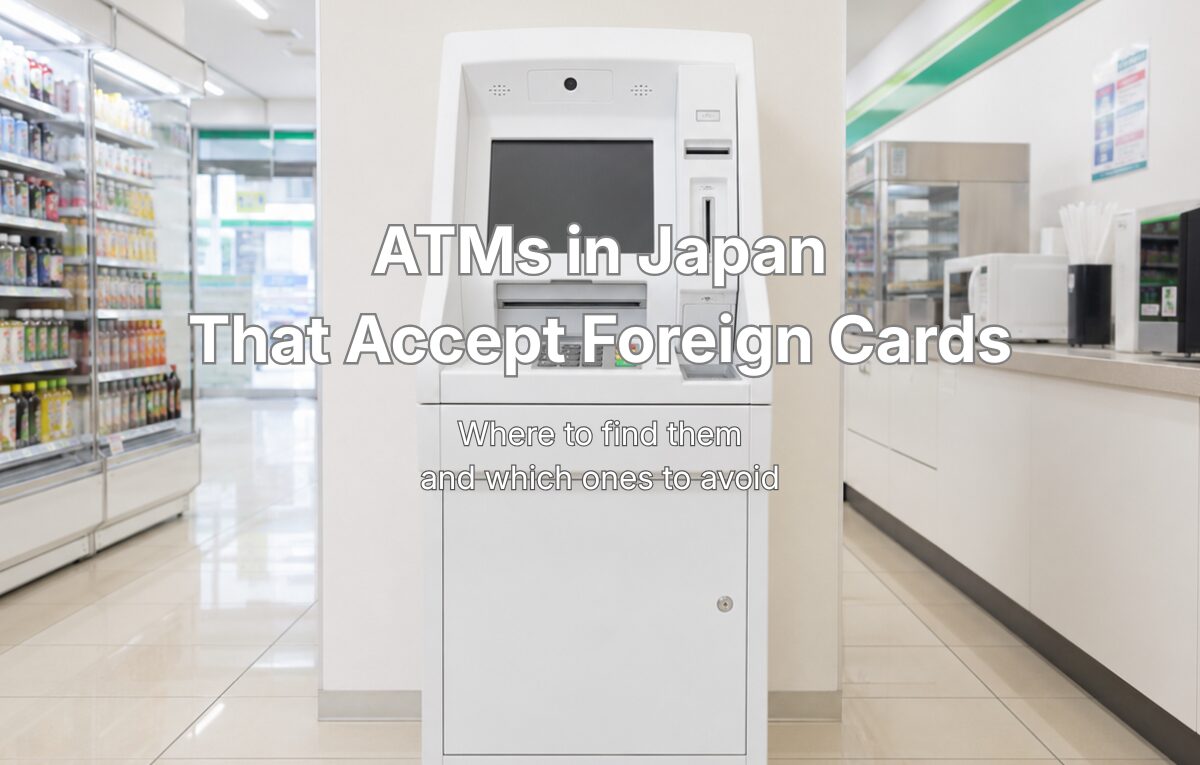
Japan is still a cash-heavy country, and not every ATM accepts foreign cards. Knowing which ones to look for before you need cash makes a real difference. The Two ATM Types Travelers Should Remember First 7 Bank ATM (Seven Bank) This is the most practical first choice for most travelers. 7 Bank ATMs are installed in 7-Eleven stores across Japan, which means they're easy to find in cities, towns, and tourist areas alike. They're also available at major airports and some train stations. Multilingual interface including English Accepts Visa, Mastercard, American Express, UnionPay, and other major international cards Generally available ...
2026/6/16 topic-money
You just had an excellent meal, a smooth taxi ride, or a helpful hotel check-in. Your instinct says to leave something extra. In Japan, that instinct will likely cause more confusion than appreciation. Why Tipping Is Not Expected in Japan Service charges are built into the normal price structure in Japan. Staff are not expecting extra cash from customers — it is simply not part of how the system works here. This is not about hospitality being lower. If anything, the standard of service in Japan is unusually high. The difference is that staff are not relying on tips to ...
2026/6/16 topic-transport
You step onto an escalator in Japan and suddenly realize — everyone is standing on one side. Which side? And does it change by city? Here's what's actually happening. There Is No Single National Rule Japan does not have a unified nationwide escalator rule. Local habits developed differently by city, and what works in Osaka may be the opposite of what you'll see in Tokyo. The good news: the local pattern is almost always visible the moment you arrive at the escalator. What People Usually Do in Major Cities Osaka: People generally stand on the right and leave the left ...
2026/6/13 topic-transport
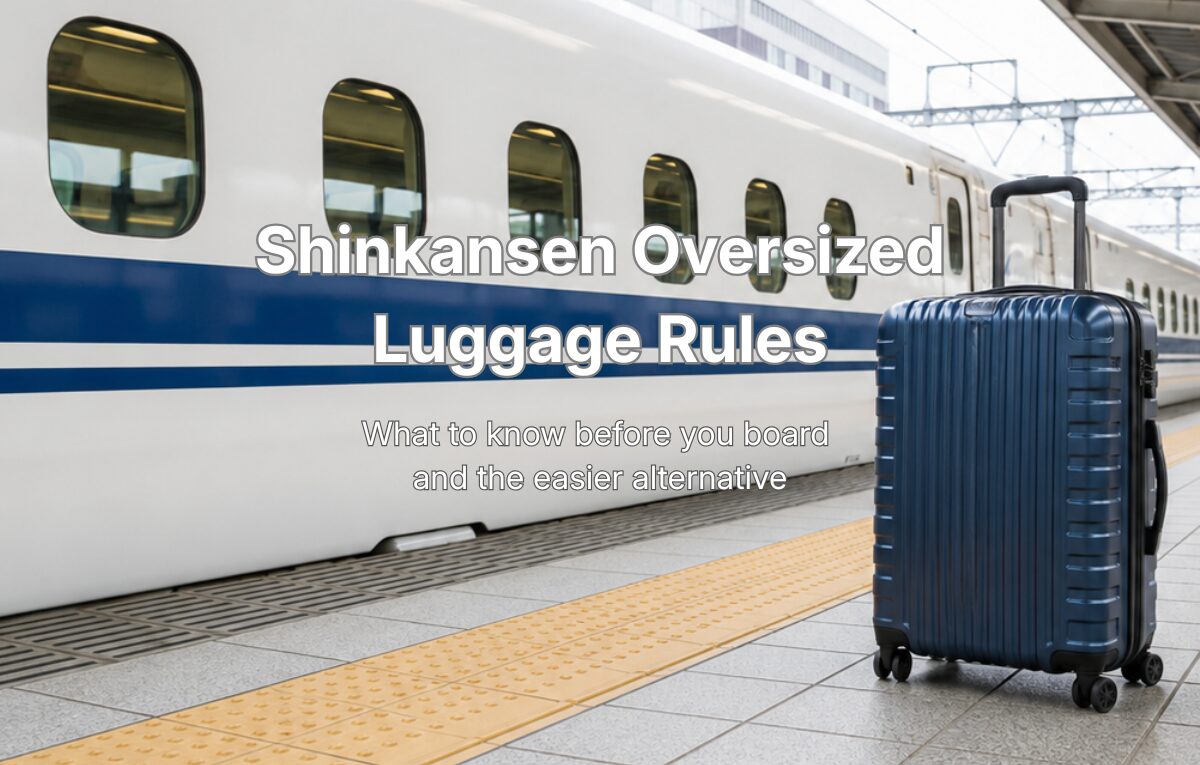
You're planning a Shinkansen trip with a large suitcase. Here's what you actually need to know — and what most travelers miss until they're already at the station. What Counts as Oversized Luggage on the Shinkansen? Japan's Shinkansen defines "oversized luggage" as any bag where the total of three dimensions — height + width + depth — exceeds 160 cm. Some large suitcases may go over 160 cm, but size labels like "28-inch" aren't reliable on their own. The actual dimensions vary depending on the brand and shape of the bag. The only way to know for sure is to ...
2026/6/4 topic-language
[toc] Why public trash bins are so rare Most public bins in Japan were removed or sealed following a series of security incidents in the 1990s, most notably the 1995 sarin gas attack on the Tokyo subway. Removing bins from public spaces was a security measure, and it largely stayed that way. The result is streets that are remarkably clean — not because of frequent municipal cleaning, but because carrying trash until you can dispose of it properly is simply what people here do. It becomes habit quickly. Where travelers usually throw things away Your hotel room is the most ...

2026/6/4 topic-accommodation
[toc] Option 1: Check whether your hotel already has self-service laundry Before going anywhere, ask at reception whether the hotel has a laundry room. Many business hotels and capsule hotels in Japan have self-service washing machines and dryers on-site — often on a dedicated floor. The machines work the same way as a public coin laundry, and pricing is similar. The advantage is straightforward: you don't need to go out, find a location, or carry a bag of clothes down the street. Typical hours: 7am to 11pm at most properties — not always 24 hours, so check before planning a ...
2026/6/4 topic-digital, topic-safety
[toc] First, decide whether it is probably lost or stolen Phone theft is less common in Japan than in many other countries. In most cases, a missing phone turns out to have been left behind somewhere — on a train seat, at a restaurant table, in a taxi — rather than taken deliberately. Signs it was probably lost: You remember the last place you had it It disappeared in a restaurant, train, or taxi Find My or Find My Device shows it stationary at a location you recognize Signs it may have been stolen: It disappeared in a crowded place ...
