Takumi Saito

2026/7/15 topic-accommodation
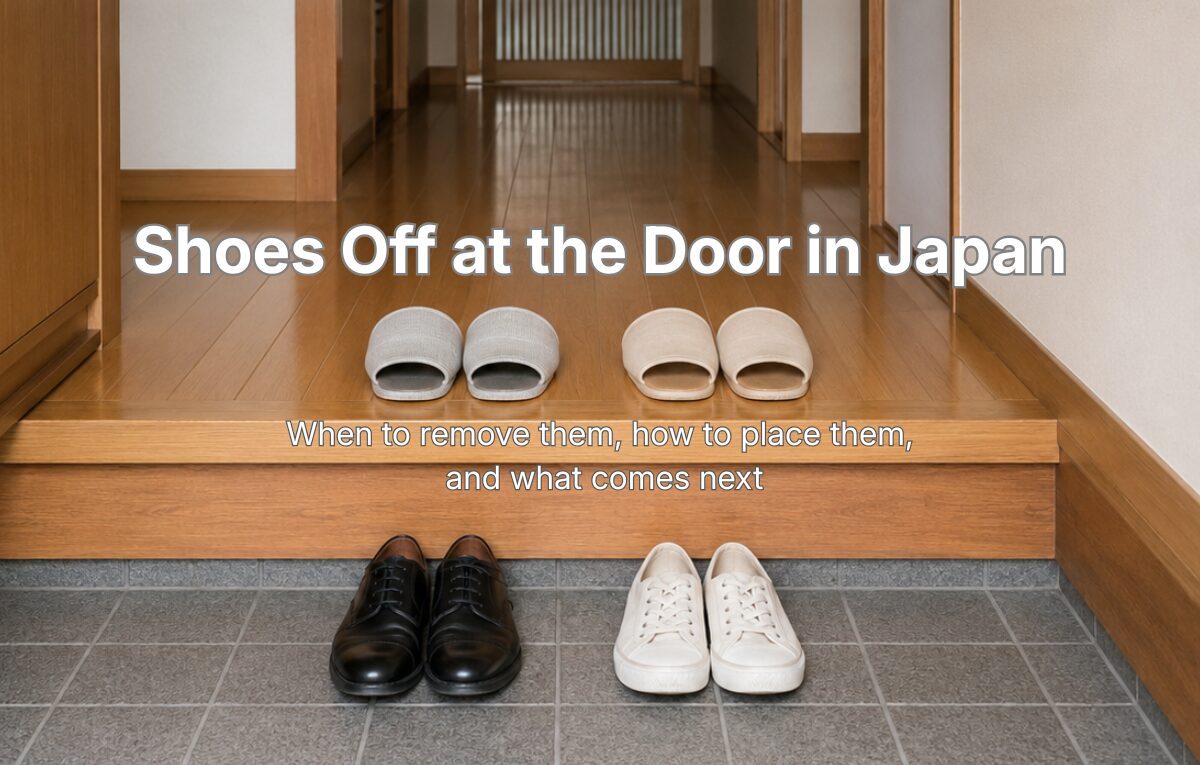
You arrive at a ryokan, a traditional restaurant, or someone's home in Japan. There's a small step at the entrance and a row of shoes. Here's what that means and what to do. What the Genkan Is The genkan (玄関) is the entrance area found at the threshold of Japanese homes, ryokan, and many traditional buildings. It has a raised step that marks the boundary between outside and inside — shoes stay below the step, and the rest of the building starts above it. The underlying principle is keeping the outside world out. Outdoor shoes carry dirt, and that dirt ...
2026/7/15 topic-language
You're running behind and have a restaurant reservation in Japan. Here's what to do — and why acting quickly matters more than you might expect. Why Timing Matters at Reserved Restaurants Japanese restaurants prepare around reservation times — the table, the staffing, and in many cases the food itself. At small restaurants, counter-style places, and anywhere serving a set course menu, your arrival time affects the flow of the entire meal. No-shows and unexplained lateness are taken seriously. They're not treated as minor inconveniences — especially at smaller or higher-end restaurants where every seat and every service timing is planned ...
2026/7/15 topic-language
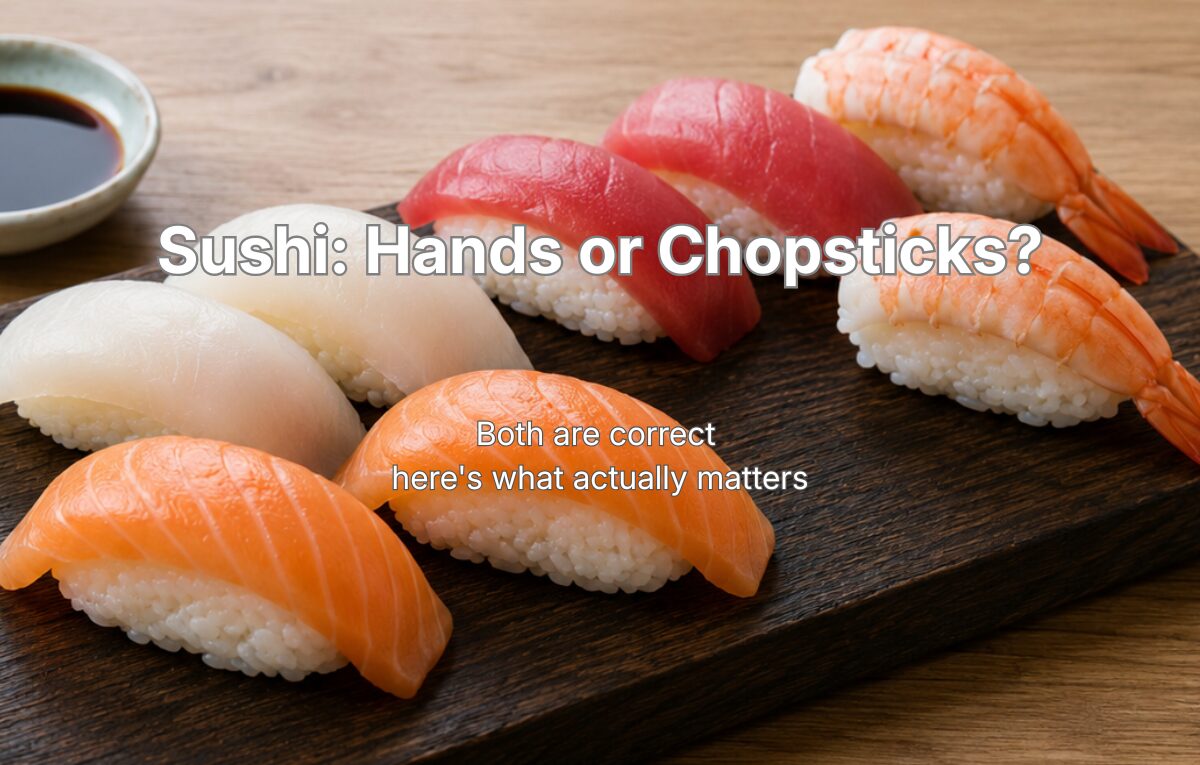
You're sitting at a sushi counter and wondering whether to reach with your fingers or pick up your chopsticks. Here's the straightforward answer. Why Both Hands and Chopsticks Are Acceptable Sushi was originally finger food — that is why eating it by hand is still completely acceptable today. The hand-eating style has never gone away, and in traditional counter-style sushi restaurants it remains the most natural approach. Chopsticks became common as sushi moved into more formal and varied settings. Today both are standard. There is no rule, written or unspoken, that says one is more correct than the other. What ...
2026/7/13 topic-language
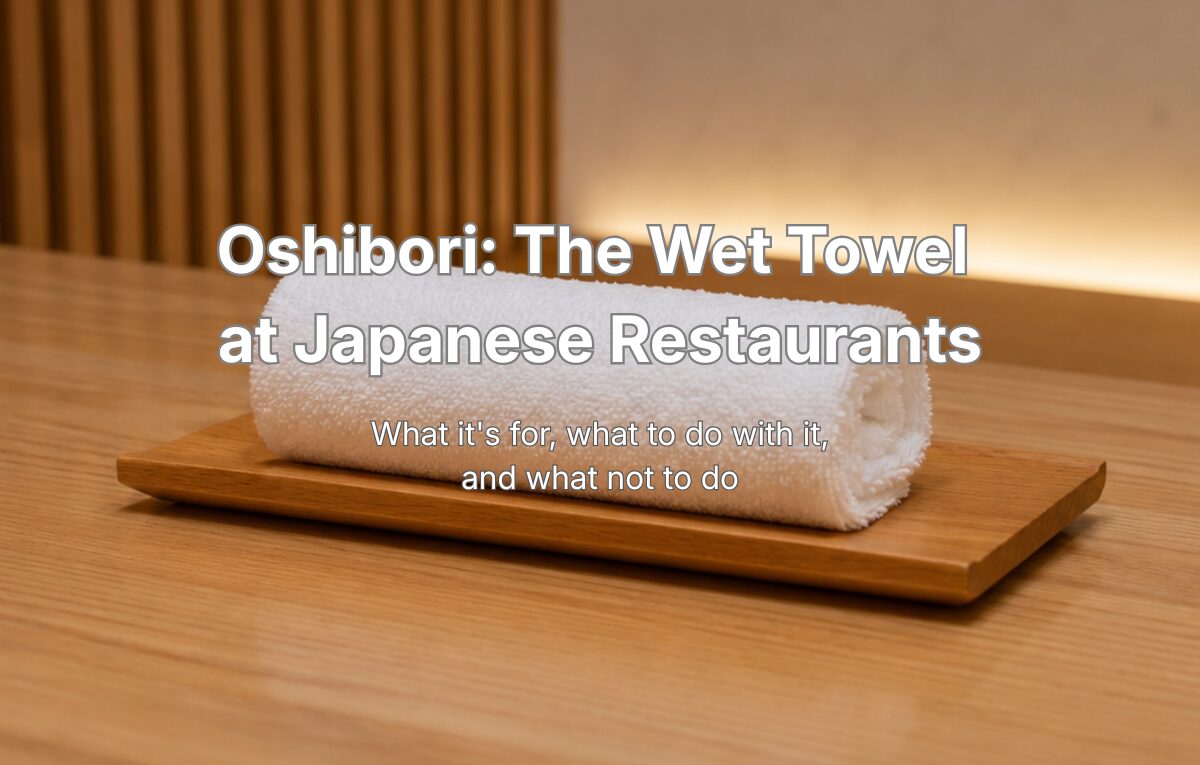
You sit down at a restaurant in Japan and a small rolled towel appears in front of you. Here's what it's for and what to do with it. What Oshibori Is Oshibori (おしぼり) is a damp towel provided at the start of a meal in many Japanese restaurants — izakayas, traditional restaurants, ramen shops, and ryokan dining rooms, among others. It comes in two forms: Cloth oshibori: A small rolled or folded fabric towel, common at izakayas, mid-range restaurants, and higher-end places Paper oshibori: A disposable version in a sealed package, common at casual chains and family restaurants Both are ...
2026/7/13
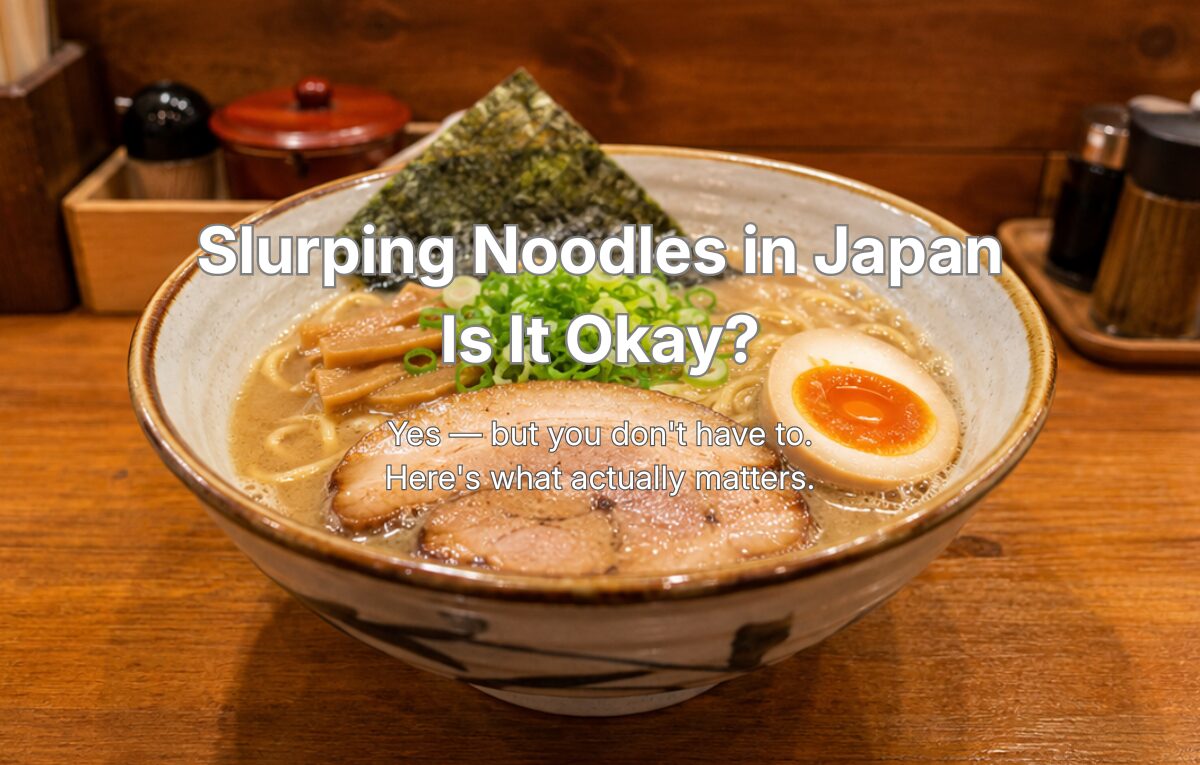
You're sitting in a ramen shop in Japan and everyone around you is making noise eating. You're not sure if you're supposed to join in — or if it even matters. Here's the actual answer. Why Slurping Is Normal with Noodles in Japan Slurping noodles is simply not considered bad table manners in Japan. It is seen as a natural way to eat noodles — the sound is familiar, expected, and not something people think twice about in a ramen shop or soba restaurant. Some people describe the sound as a sign of enjoying the food. Whether or not that ...
2026/7/13 topic-transport
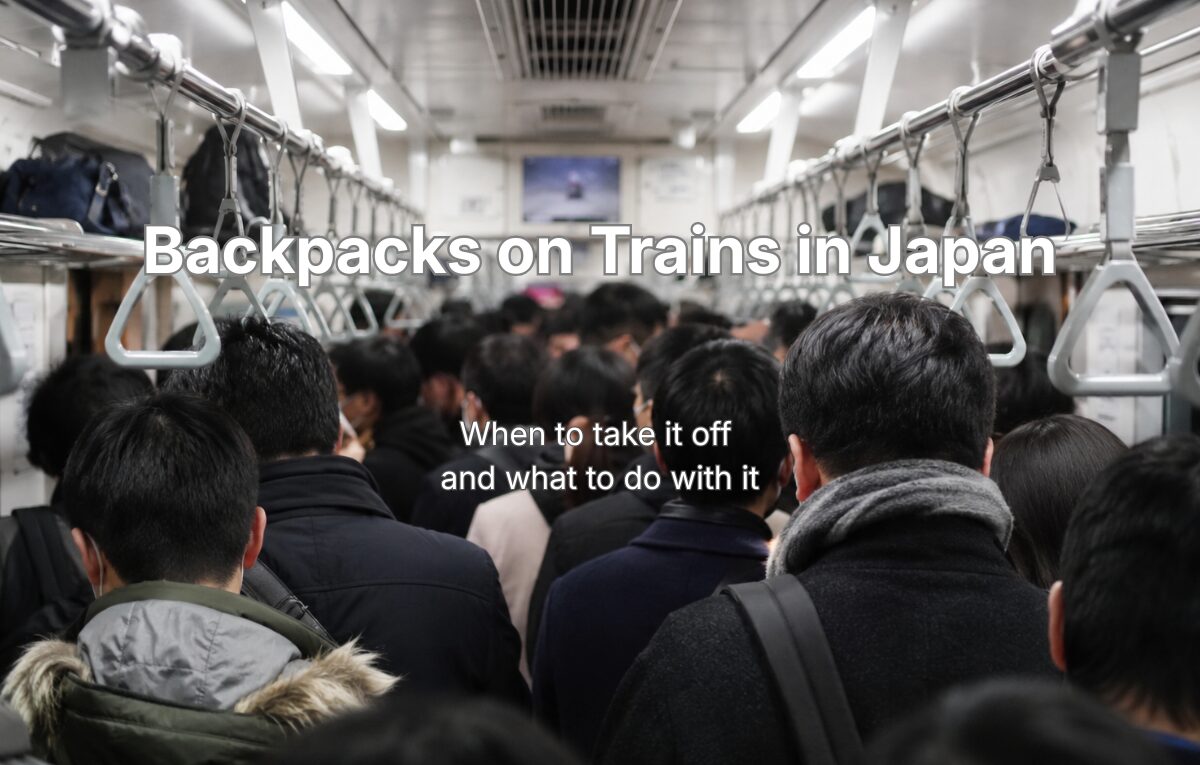
You board a crowded train in Japan with a backpack on. Nobody says anything. But here's what's actually happening around you — and the simple habit that makes a difference. Why Backpacks Matter More on Crowded Trains A backpack worn on your back sits at about shoulder or face height for the person standing behind you. In a crowded train, that means your bag is constantly in someone's space — bumping into them as you move, taking up room they need. People may quietly move away or feel uncomfortable without saying anything. It is one of the train manners that ...

2026/7/13 topic-transport
You flag down a taxi in Japan, it pulls up, and you reach for the door. Then it starts moving on its own. Here's what's happening — and what to do instead. How the Automatic Door Works Many taxis in Japan have an automatic door on the rear passenger side. The driver controls it with a lever from inside the cab — opening it when you arrive, and closing it after you get out. In normal use, passengers do not need to touch the door at any point. The system is standard enough that most drivers handle it without thinking. ...

2026/7/7 topic-health
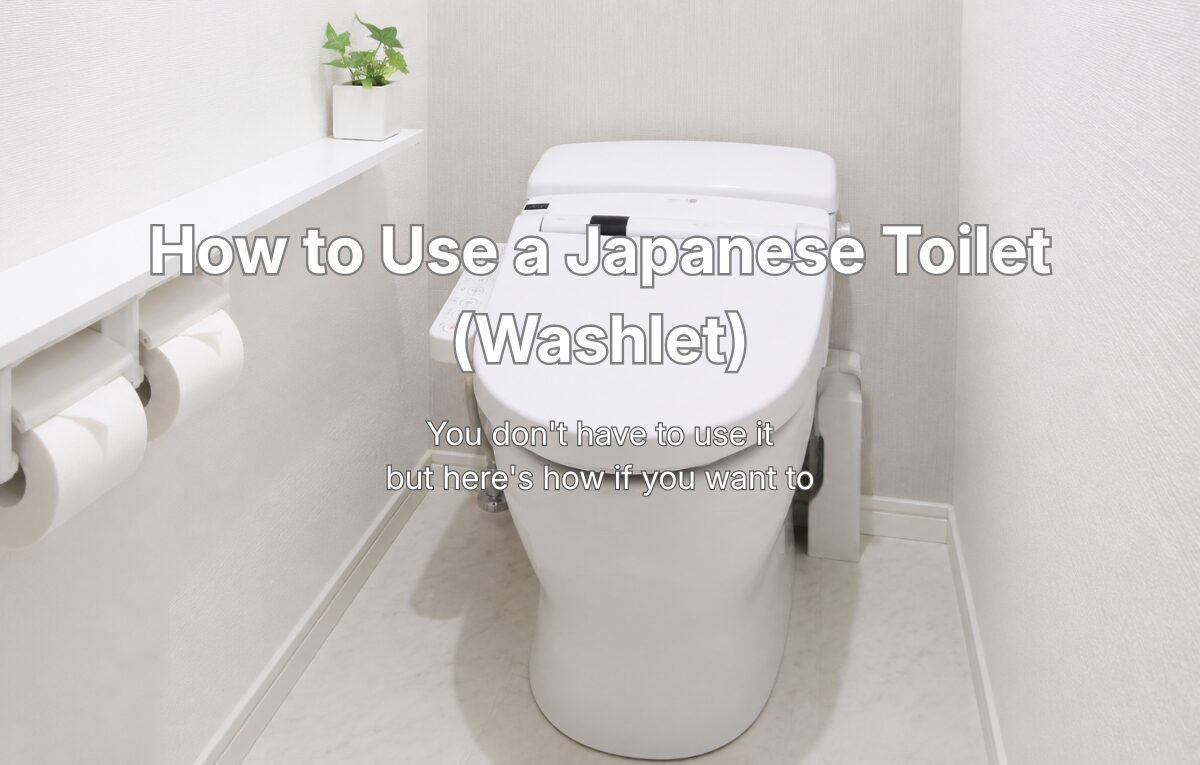
You sit down, notice a panel full of buttons, and freeze. This happens to a lot of travelers in Japan. Here's what you actually need to know. You Do Not Have to Use the Washlet at All A washlet is a warm-water bidet seat, common in Japanese hotels, homes, and public restrooms. The panel of buttons can look intimidating, but here's the most important thing: if you don't touch any buttons, it works exactly like a regular Western toilet. The seat is often warm. That's normal. The toilet may open automatically when you walk in. That's also normal. None of ...
2026/7/7 topic-accommodation
You sit down, notice a panel full of buttons, and freeze. This happens to a lot of travelers in Japan. Here's what you actually need to know. You Do Not Have to Use the Washlet at All A washlet is a warm-water bidet seat, common in Japanese hotels, homes, and public restrooms. The panel of buttons can look intimidating, but here's the most important thing: if you don't touch any buttons, it works exactly like a regular Western toilet. The seat is often warm. That's normal. The toilet may open automatically when you walk in. That's also normal. None of ...
2026/7/2 topic-language
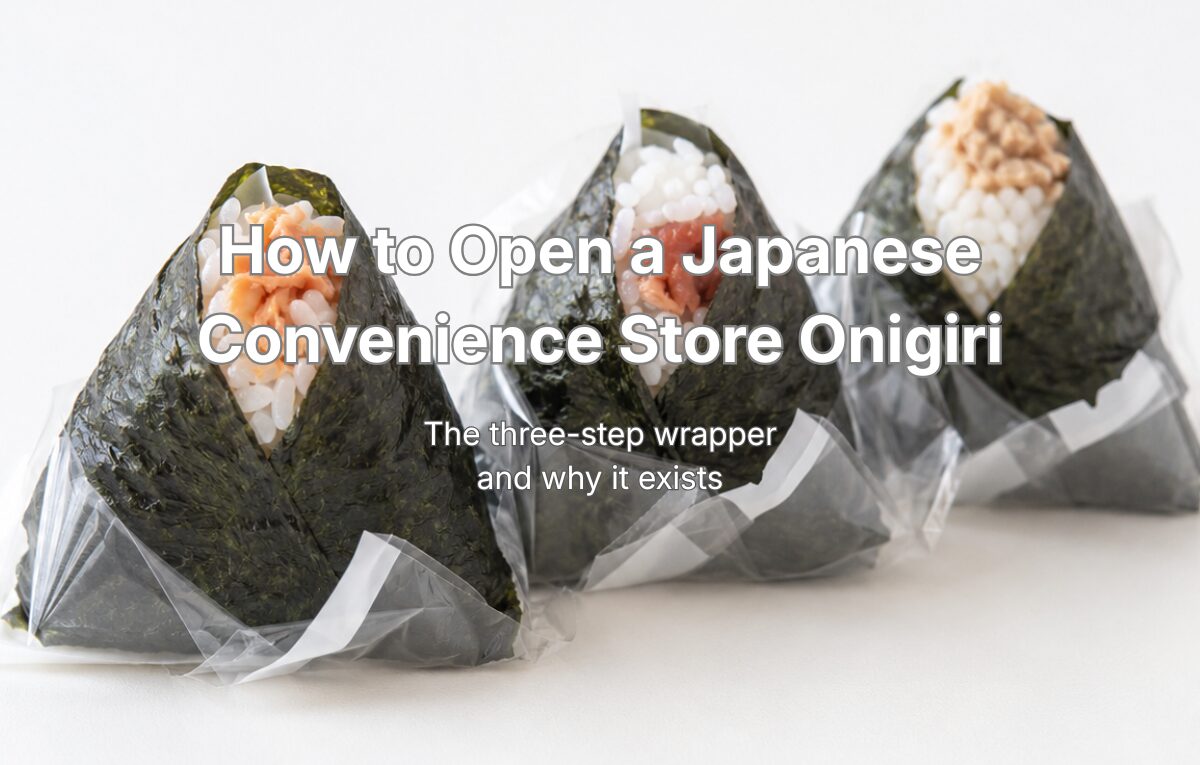
You've picked up an onigiri at a convenience store. Now you're staring at the wrapper. There are numbers on it. Here's what they mean. Why the Packaging Exists The reason for the unusual wrapper is simple: seaweed goes soft quickly when it touches rice. Convenience store onigiri may sit on the shelf for hours, so the packaging keeps the seaweed and rice completely separate until the moment you open it. The result is seaweed that stays crisp right up until you eat it. This system became standard across Japanese convenience stores and is now what most travelers encounter. How to ...
