Takumi Saito

2026/3/20 topic-money
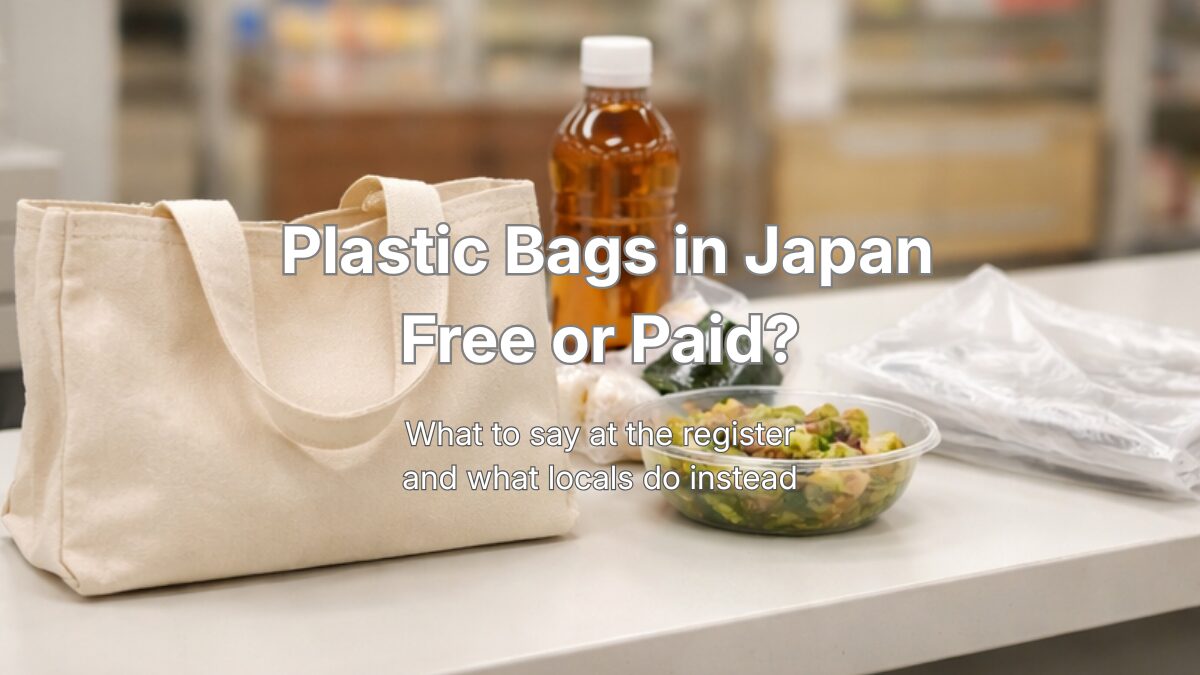
You're at a convenience store register and the cashier says something you don't quite catch. Are they asking if you want a bag? And do you have to pay for it? This page explains Japan's plastic bag policy, how much bags cost, and what locals do to avoid the question entirely. When did bags become paid? On July 1, 2020, the Japanese government made it mandatory for retailers to charge for plastic shopping bags. The policy was introduced to reduce plastic waste — part of a broader environmental initiative by the Ministry of the Environment. Before that date, plastic bags ...
2026/3/20 topic-money
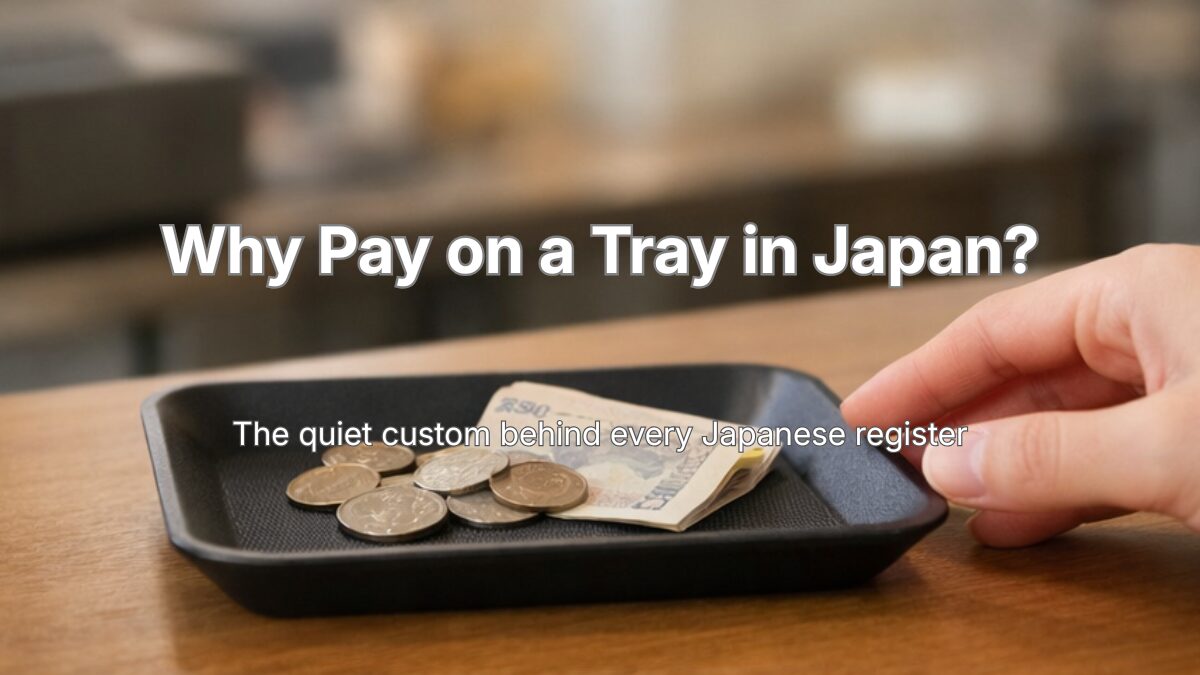
You hand your money to the cashier, and they point to a small tray on the counter instead of taking it from your hand. What's going on? This page explains why Japanese shops use a payment tray, where the habit comes from, and what to do when there isn't one. Why Japan uses a payment tray In Japan, money has traditionally been treated as something more than a simple transaction tool. There's a long-standing cultural sense that money is clean, even sacred — something to be handled with care and respect rather than passed casually from hand to hand. This ...
2026/3/20 topic-accommodation
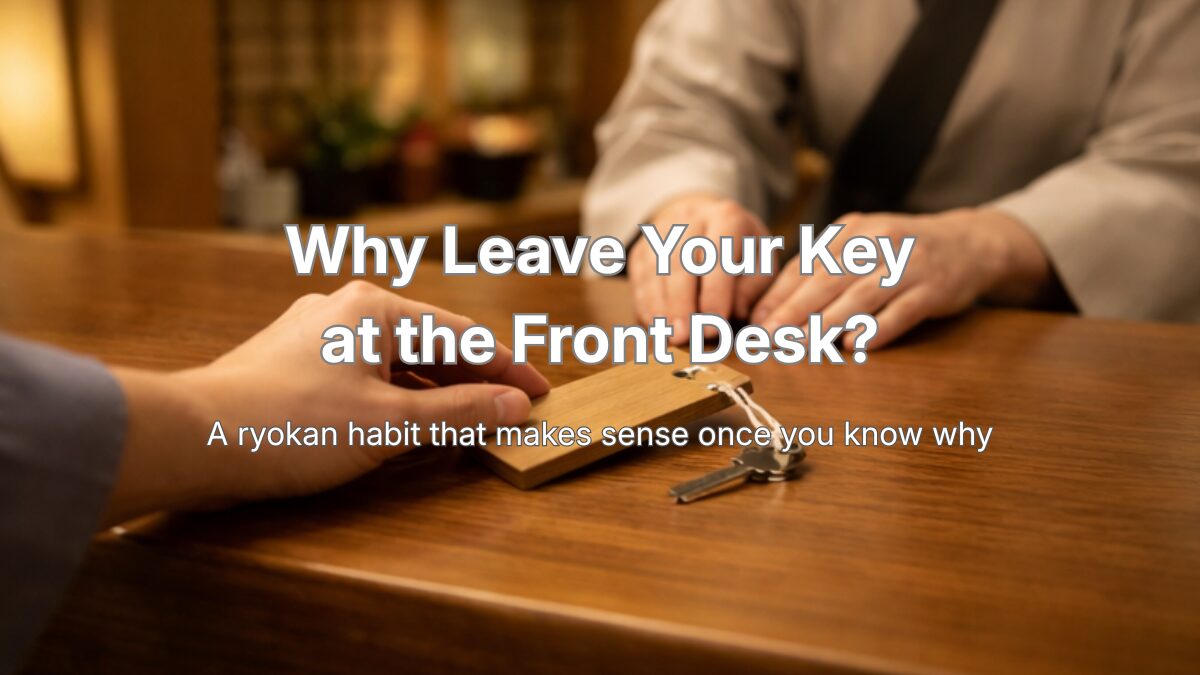
You're heading out for the day, and the ryokan staff gestures toward the front desk — they'd like you to leave your room key. In many Western hotels, this would feel unusual. In Japan, it's completely normal. This page explains why the practice exists, how locals think about it, and what to do if you'd prefer to keep the key with you. Why this practice exists At a ryokan, guest services are timed around your schedule — dinner is served at a set hour, futons are laid out while you're at the bath, and breakfast is prepared based on when ...
2026/3/20 topic-accommodation
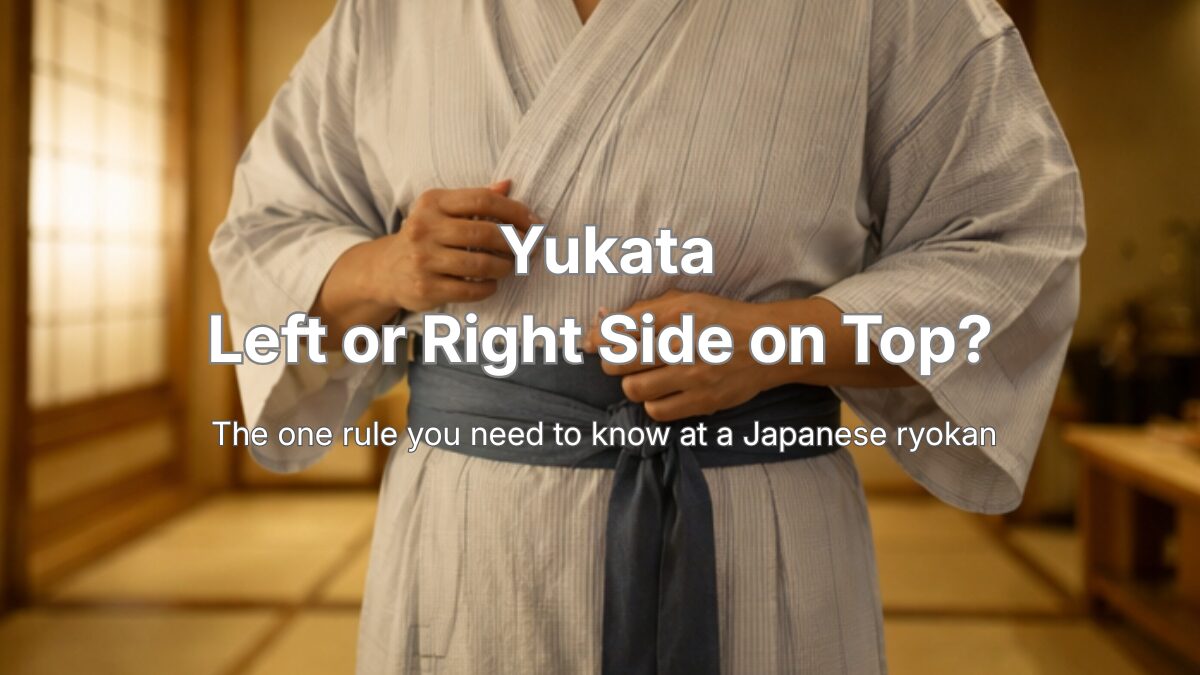
Your ryokan has provided a yukata — the lightweight cotton robe worn at Japanese inns. But which side goes on top? And does it actually matter? It does. This page explains the correct way to wrap a yukata, why it's easy to get confused, and a simple check you can do to confirm you've got it right. Why people get confused The most common source of confusion is the word "left." When someone says "left side on top," they mean your left — from your own perspective as you're wearing it. To a person facing you, your left side appears ...
2026/3/20 topic-accommodation
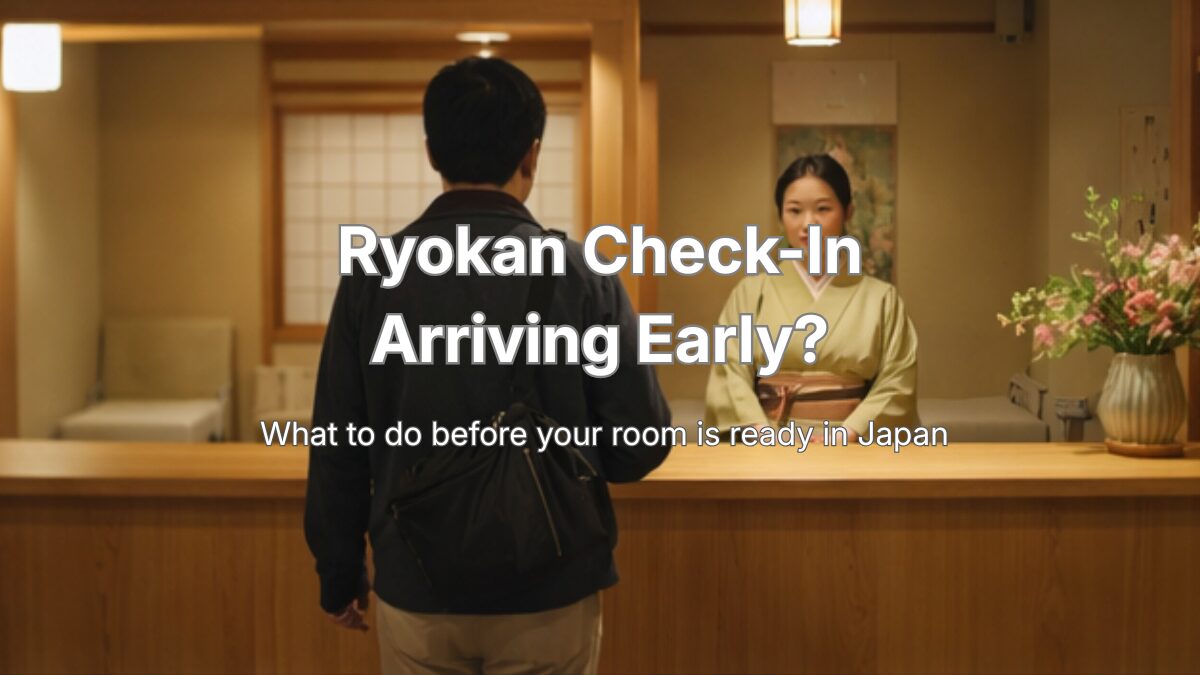
You've arrived at your ryokan earlier than expected — but the room isn't ready yet. This is a common situation, and there's a straightforward way to handle it. This page explains why ryokan check-in times are later than hotels, what locals do when they arrive early, and what to keep in mind about check-out as well. Why ryokan check-in is later than hotels After guests check out, ryokan staff do much more than clean the room. They prepare the futon bedding, set out the yukata, arrange dinner service, and ready the private or shared baths. All of this takes time. ...

2026/3/20 topic-transport
You're checking your route on Google Maps and it shows a 3-minute transfer. Is that even possible? Should you pick a different train? This page explains how Japan's transfer system actually works, how locals think about short connections, and when it's smarter to choose the next train from the start. How Japan's transfer times are calculated Japan's train timetables are precise, and transfer times shown in apps like Google Maps or Hyperdia are calculated based on actual walking distance between platforms. When an app says "3-minute transfer," it means a healthy adult walking at a normal pace can make it. ...
2026/3/20 region-tokyo, topic-transport
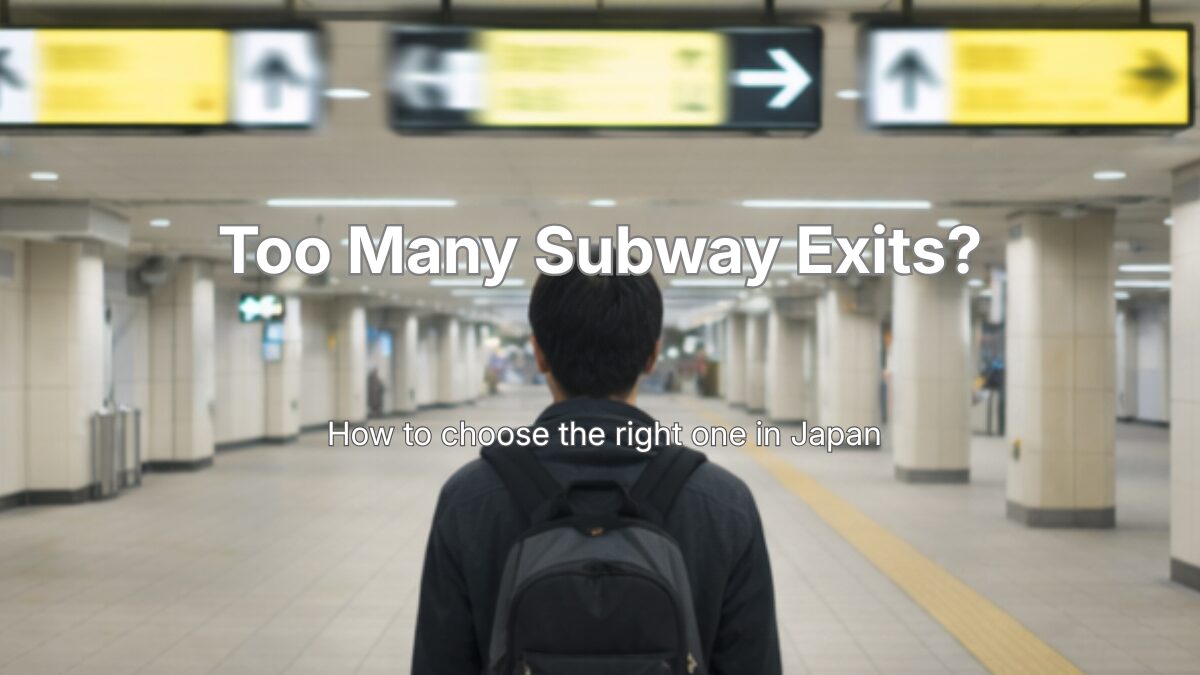
Tokyo and Osaka subway stations can have more than ten exits. For first-time visitors, choosing the right one can feel overwhelming — especially underground, with limited signal and a lot of signs. This page explains how locals handle it, and the fastest way to get yourself to street level without confusion. Why are there so many exits? Large subway stations in Japan are connected directly to multiple buildings, intersections, and underground passages. Each exit leads to a different part of the surrounding area. This is not unique to tourists — Japanese people also look up the exit number before arriving ...
2026/3/20 topic-transport
The Shinkansen is one of the most reliable train systems in the world. But when it does stop, it can catch travelers off guard — especially if you have a tight connection, a flight to catch, or a packed itinerary. This page explains what actually happens, what locals do, and how to make a calm decision in the moment. Why the Shinkansen stops There are three main reasons the Shinkansen suspends service: What locals do when it stops When the Shinkansen stops unexpectedly, most Japanese travelers do one thing first: they wait and listen. Stations will announce an estimated resumption ...
2026/3/1 topic-digital
If you can’t get online right now, don’t waste time retrying the same Wi-Fi. This page gives you the fastest way to get connected, plus a simple backup plan. Step-by-step: get connected in 2 minutes Emergency places to try (when you have zero data) Quick phrases (show this) Why it happens (short) Many free networks in Japan use a browser login page, short time limits, and crowded access points. It’s normal for it to connect and then fail when you actually try to load maps. Prevent it next time: eSIM or pocket Wi-Fi If you’ll use Google Maps, translation, or ...
2026/3/1 topic-language
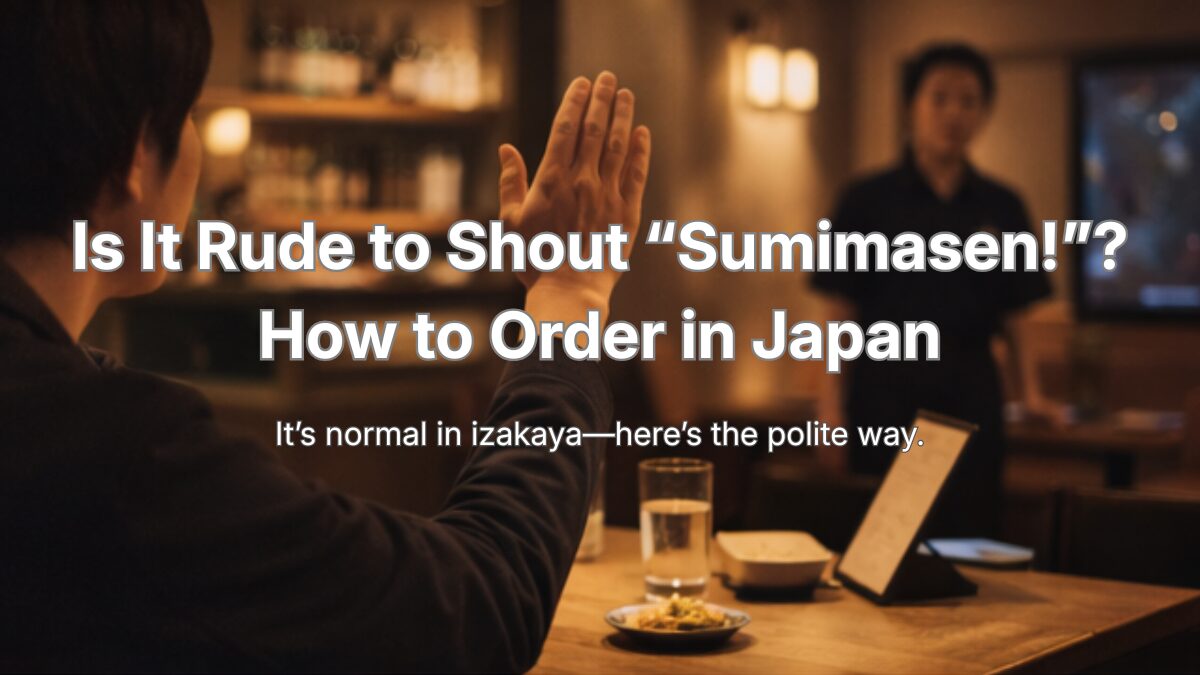
In Japan, you may hear people call out “Sumimasen!” at restaurants—especially at izakaya. To many visitors, it sounds like shouting at staff. But in many places, this is simply the normal way to signal: “We’re ready.” Why staff may not “check on you” In some countries, servers come back regularly with “How is everything?” In Japan, many restaurants—especially izakaya—work differently. Staff often try not to interrupt your conversation unless you call them. So when you stay quiet, they may assume you are still deciding, still talking, or simply don’t need anything yet. Calling out is not “being demanding.” It’s a ...
