Takumi Saito

2026/6/16 topic-transport
You step onto an escalator in Japan and suddenly realize — everyone is standing on one side. Which side? And does it change by city? Here's what's actually happening. There Is No Single National Rule Japan does not have a unified nationwide escalator rule. Local habits developed differently by city, and what works in Osaka may be the opposite of what you'll see in Tokyo. The good news: the local pattern is almost always visible the moment you arrive at the escalator. What People Usually Do in Major Cities Osaka: People generally stand on the right and leave the left ...

2026/6/13 topic-transport
You're planning a Shinkansen trip with a large suitcase. Here's what you actually need to know — and what most travelers miss until they're already at the station. What Counts as Oversized Luggage on the Shinkansen? Japan's Shinkansen defines "oversized luggage" as any bag where the total of three dimensions — height + width + depth — exceeds 160 cm. Some large suitcases may go over 160 cm, but size labels like "28-inch" aren't reliable on their own. The actual dimensions vary depending on the brand and shape of the bag. The only way to know for sure is to ...
2026/6/4 topic-language
[toc] Why public trash bins are so rare Most public bins in Japan were removed or sealed following a series of security incidents in the 1990s, most notably the 1995 sarin gas attack on the Tokyo subway. Removing bins from public spaces was a security measure, and it largely stayed that way. The result is streets that are remarkably clean — not because of frequent municipal cleaning, but because carrying trash until you can dispose of it properly is simply what people here do. It becomes habit quickly. Where travelers usually throw things away Your hotel room is the most ...
2026/6/4 topic-accommodation
[toc] Option 1: Check whether your hotel already has self-service laundry Before going anywhere, ask at reception whether the hotel has a laundry room. Many business hotels and capsule hotels in Japan have self-service washing machines and dryers on-site — often on a dedicated floor. The machines work the same way as a public coin laundry, and pricing is similar. The advantage is straightforward: you don't need to go out, find a location, or carry a bag of clothes down the street. Typical hours: 7am to 11pm at most properties — not always 24 hours, so check before planning a ...
2026/6/4 topic-digital, topic-safety
[toc] First, decide whether it is probably lost or stolen Phone theft is less common in Japan than in many other countries. In most cases, a missing phone turns out to have been left behind somewhere — on a train seat, at a restaurant table, in a taxi — rather than taken deliberately. Signs it was probably lost: You remember the last place you had it It disappeared in a restaurant, train, or taxi Find My or Find My Device shows it stationary at a location you recognize Signs it may have been stolen: It disappeared in a crowded place ...

2026/6/4 topic-digital, topic-money
[toc] Which foreign QR payment apps usually work in Japan Alipay (支付宝) has the broadest acceptance among foreign QR wallets in Japan. It's also the backbone of Alipay+, a platform that connects international wallets from other countries — including South Korea (Kakao Pay), Malaysia (Touch 'n Go), and the Philippines (GCash) — to merchants that accept Alipay. If your home wallet participates in Alipay+, it may work at Alipay-accepting stores in Japan. WeChat Pay (微信支付) is accepted at most of the same locations as Alipay. Chinese visitors will find it works at the majority of tourist-facing retailers. UnionPay QR has ...
2026/6/4 topic-accommodation
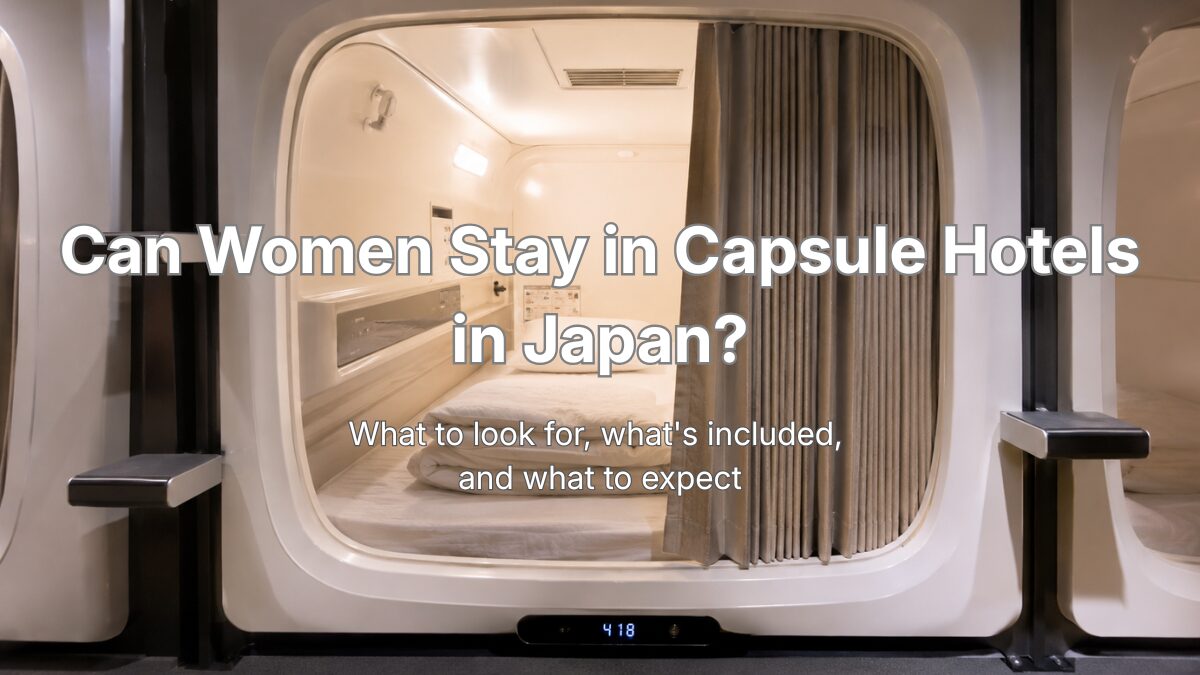
[toc] How women's floors usually work The image of capsule hotels as cramped, male-dominated spaces for businessmen missing the last train is outdated. Many modern properties have invested significantly in design and have actively expanded to welcome women. Most mid-range to upscale capsule hotels now operate on a gender-separated floor system. Many modern capsule hotels separate male and female floors clearly, with women's floors often accessible only by keycard — meaning male guests cannot reach them. What this typically looks like in practice: Separate elevator access or keycard-restricted floors for women Showers, toilets, and vanity areas on the women's floor ...

2026/5/9
[toc] Why onsen rules about tattoos still exist The tattoo prohibition at Japanese onsen comes from the historical association between visible tattoos and organized crime. For decades, tattoos were closely linked to gang membership in Japan, and onsen operators banned them to signal that their facilities were safe, family-friendly spaces. That association has weakened significantly — especially among younger Japanese people, who increasingly see tattooing as a form of personal expression. But many traditional onsen and facilities catering to older Japanese guests have kept the rule, either out of long-standing policy or out of respect for their regular clientele. One ...
2026/5/9 topic-transport
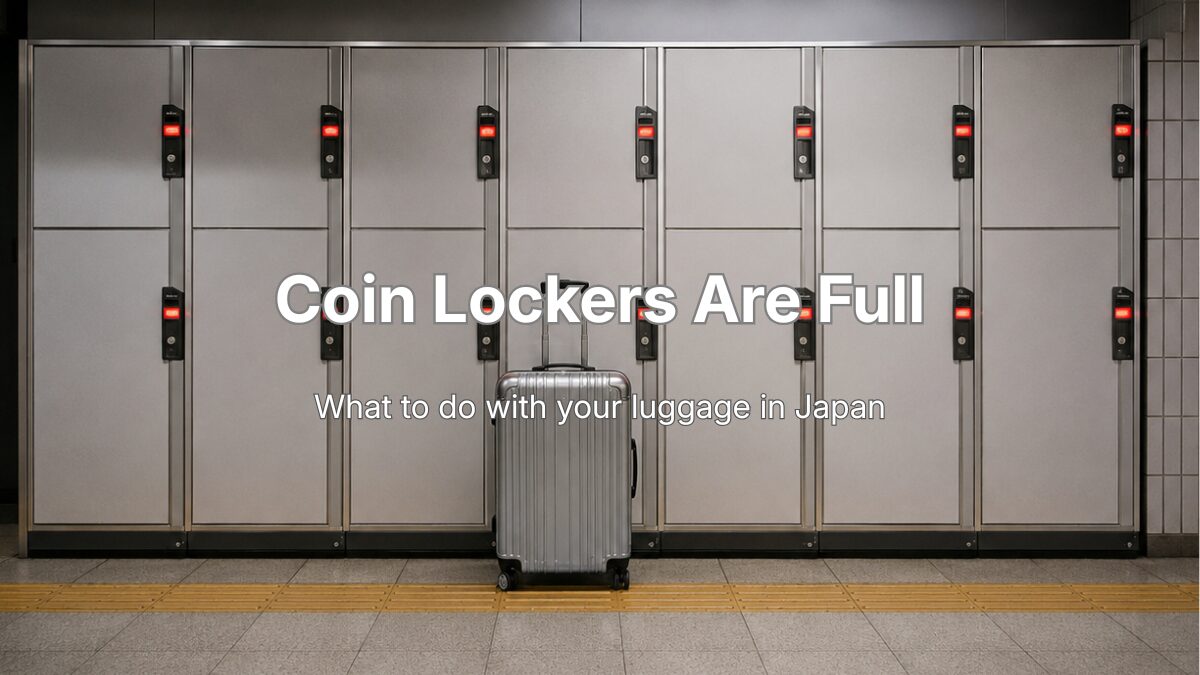
[toc] Why lockers get full so quickly Major stations — Shinjuku, Shibuya, Kyoto, Osaka Umeda — handle millions of passengers daily. On weekends, holidays, and during peak travel seasons like Golden Week, cherry blossom season, and Obon, the most popular locker banks fill up well before mid-morning. Large-size lockers that fit full suitcases are fewest in number and go first. By the time most travelers arrive and realize they need one, the options are already limited. Option 1: Ask your hotel first If you have a hotel in the area, this is almost always the fastest solution. Nearly every hotel ...
2026/5/9
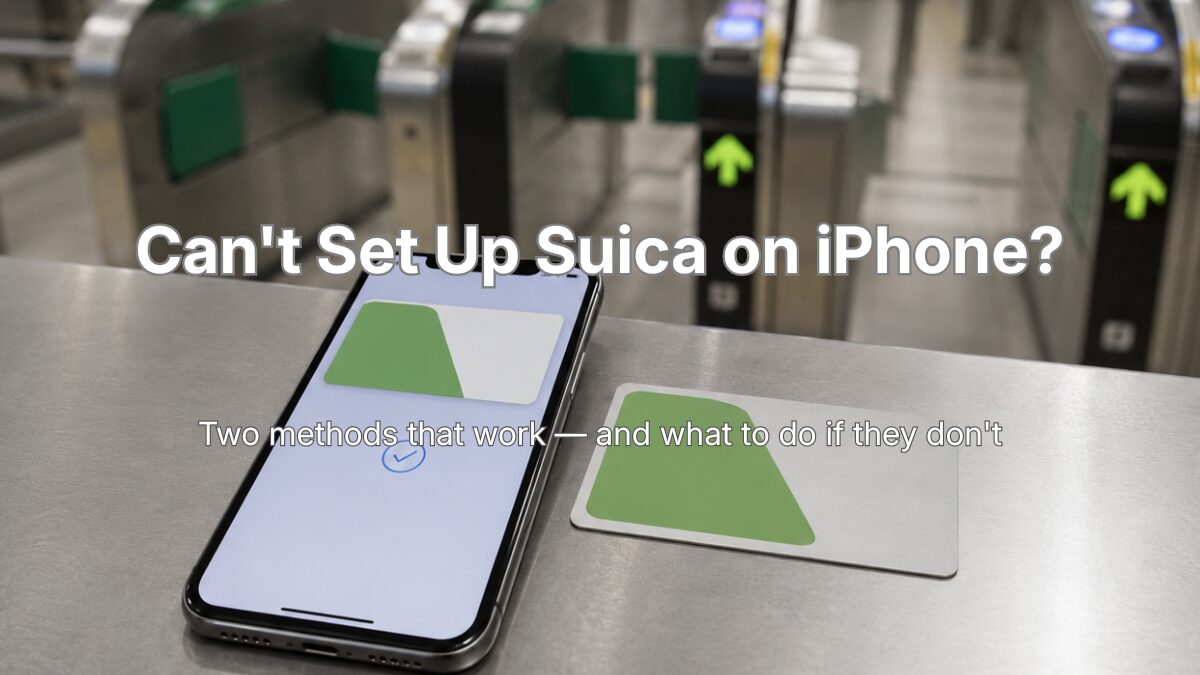
[toc] Check whether your iPhone is ready Before troubleshooting, confirm your device meets the basic requirements: iPhone 7 or later — iPhone 6 and earlier do not support Suica iOS 16 or later recommended — older versions have more compatibility issues Face ID or Touch ID set up on the device Apple Pay enabled — check in Settings → Wallet & Apple Pay Apple Watch Series 2 and later also support Suica and can be set up through the Watch app on your iPhone. Why Suica setup fails most often Most setup failures come from one of three areas: Account ...
