Takumi Saito

2026/7/13 topic-transport
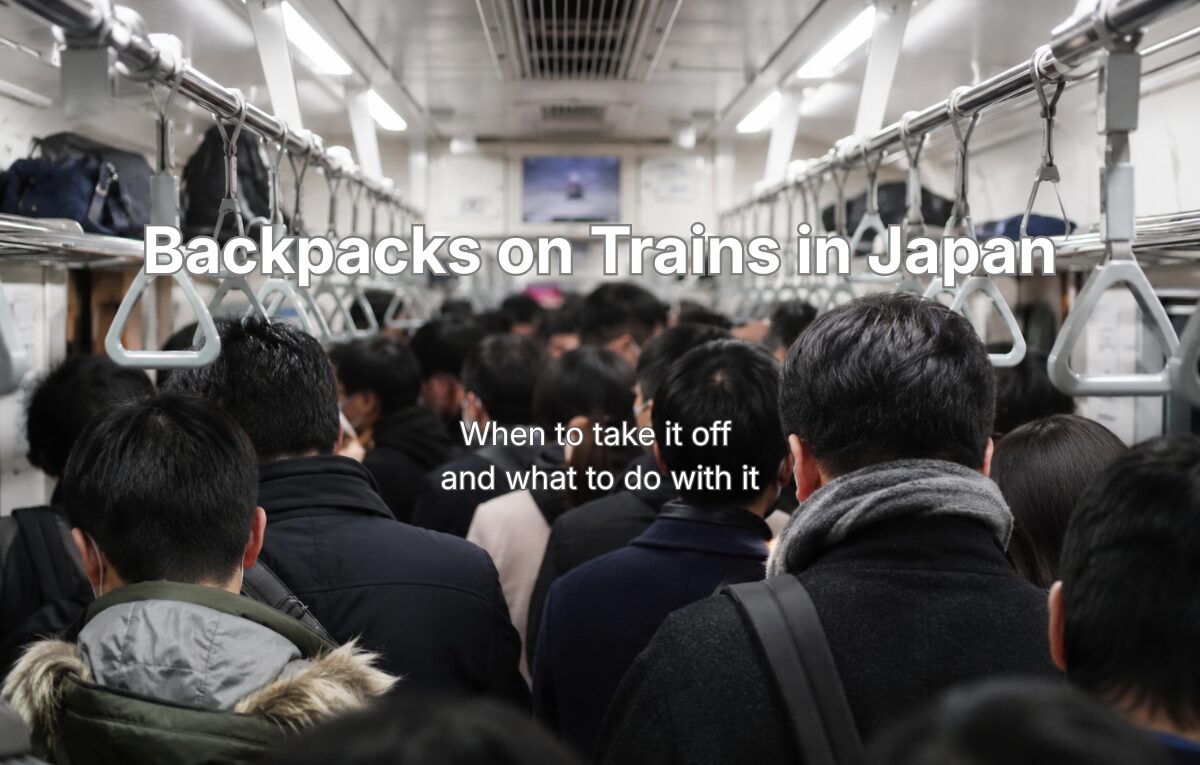
You board a crowded train in Japan with a backpack on. Nobody says anything. But here's what's actually happening around you — and the simple habit that makes a difference. Why Backpacks Matter More on Crowded Trains A backpack worn on your back sits at about shoulder or face height for the person standing behind you. In a crowded train, that means your bag is constantly in someone's space — bumping into them as you move, taking up room they need. People may quietly move away or feel uncomfortable without saying anything. It is one of the train manners that ...
2026/7/13 topic-transport
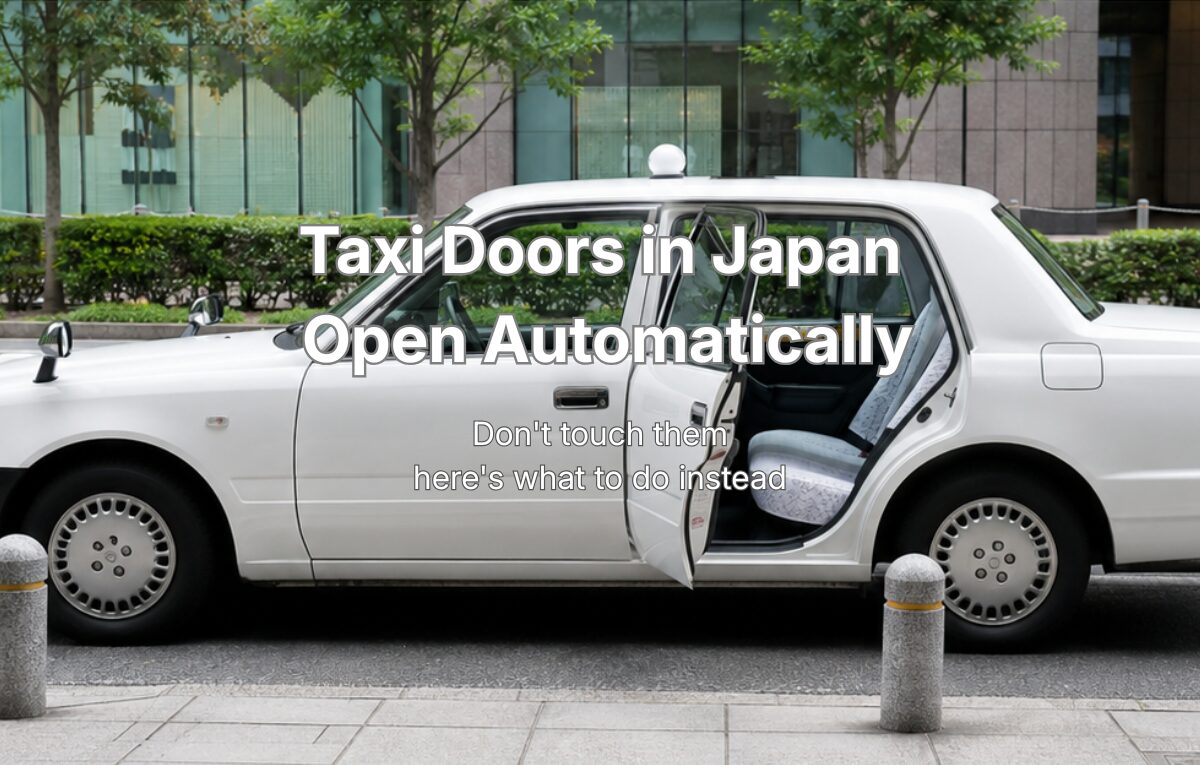
You flag down a taxi in Japan, it pulls up, and you reach for the door. Then it starts moving on its own. Here's what's happening — and what to do instead. How the Automatic Door Works Many taxis in Japan have an automatic door on the rear passenger side. The driver controls it with a lever from inside the cab — opening it when you arrive, and closing it after you get out. In normal use, passengers do not need to touch the door at any point. The system is standard enough that most drivers handle it without thinking. ...
2026/7/7 topic-health
You sit down, notice a panel full of buttons, and freeze. This happens to a lot of travelers in Japan. Here's what you actually need to know. You Do Not Have to Use the Washlet at All A washlet is a warm-water bidet seat, common in Japanese hotels, homes, and public restrooms. The panel of buttons can look intimidating, but here's the most important thing: if you don't touch any buttons, it works exactly like a regular Western toilet. The seat is often warm. That's normal. The toilet may open automatically when you walk in. That's also normal. None of ...
2026/7/7 topic-accommodation
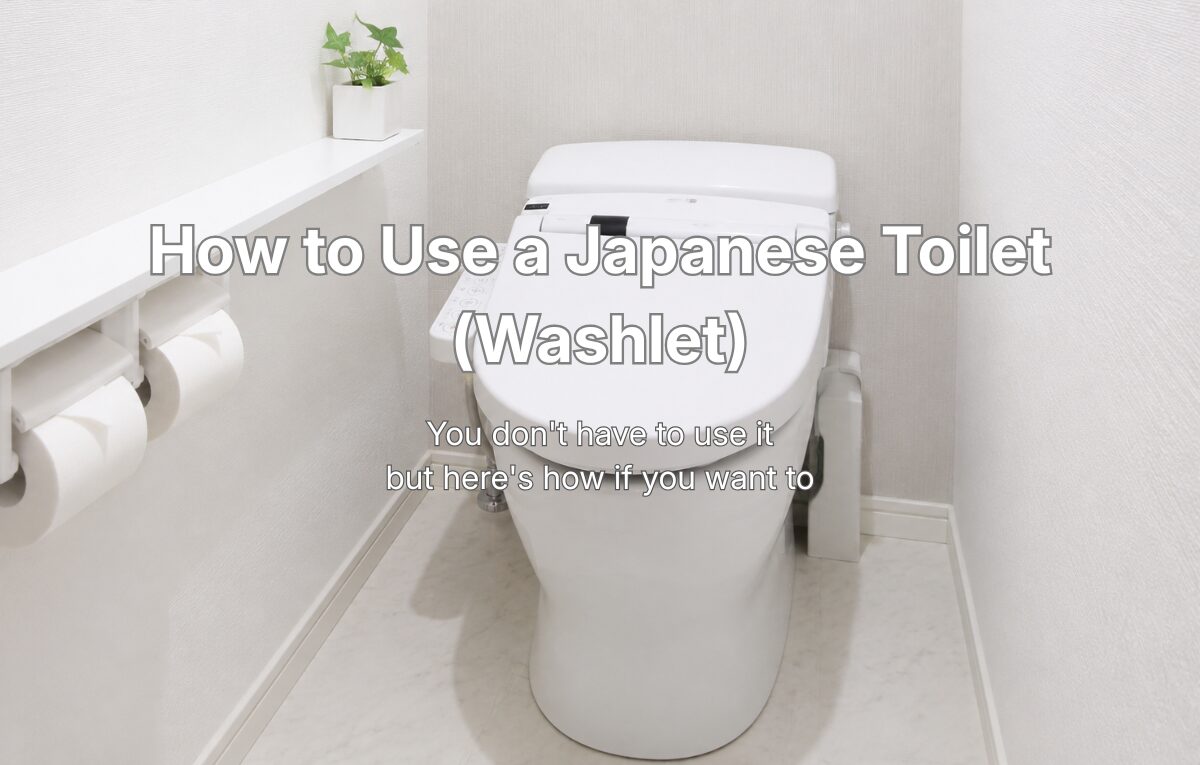
You sit down, notice a panel full of buttons, and freeze. This happens to a lot of travelers in Japan. Here's what you actually need to know. You Do Not Have to Use the Washlet at All A washlet is a warm-water bidet seat, common in Japanese hotels, homes, and public restrooms. The panel of buttons can look intimidating, but here's the most important thing: if you don't touch any buttons, it works exactly like a regular Western toilet. The seat is often warm. That's normal. The toilet may open automatically when you walk in. That's also normal. None of ...
2026/7/2 topic-language
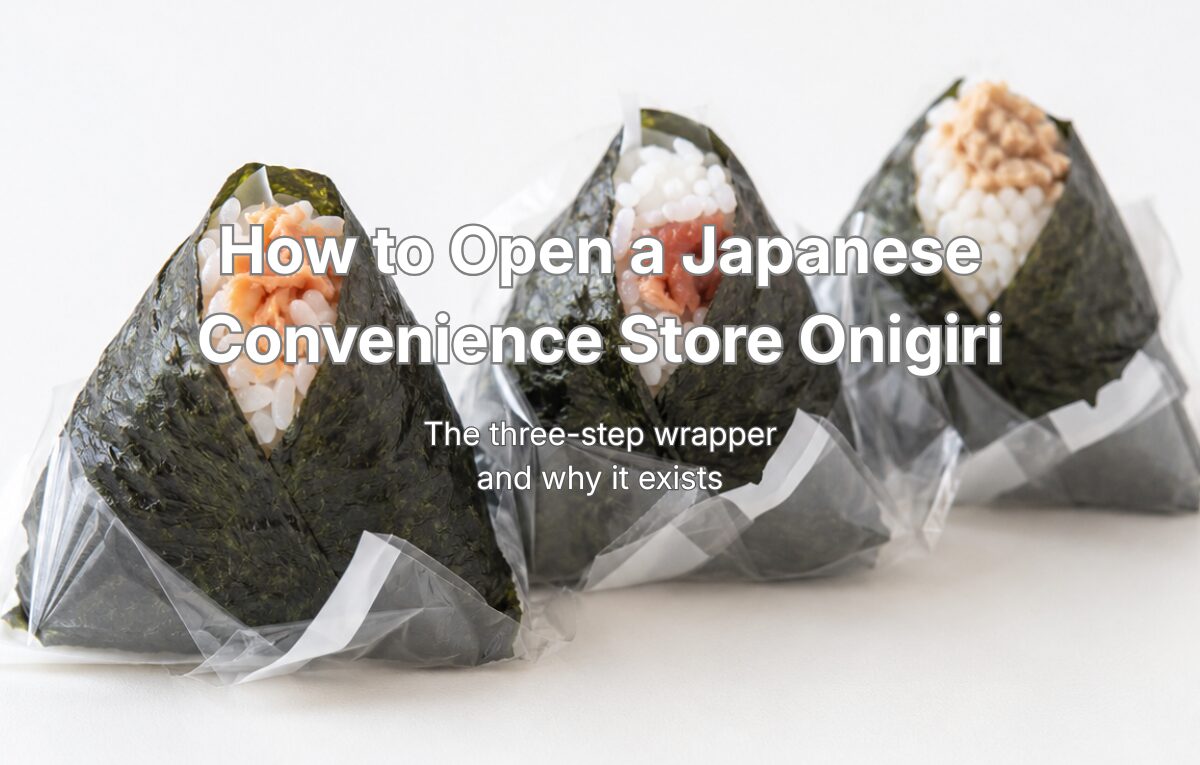
You've picked up an onigiri at a convenience store. Now you're staring at the wrapper. There are numbers on it. Here's what they mean. Why the Packaging Exists The reason for the unusual wrapper is simple: seaweed goes soft quickly when it touches rice. Convenience store onigiri may sit on the shelf for hours, so the packaging keeps the seaweed and rice completely separate until the moment you open it. The result is seaweed that stays crisp right up until you eat it. This system became standard across Japanese convenience stores and is now what most travelers encounter. How to ...
2026/7/2 topic-transport
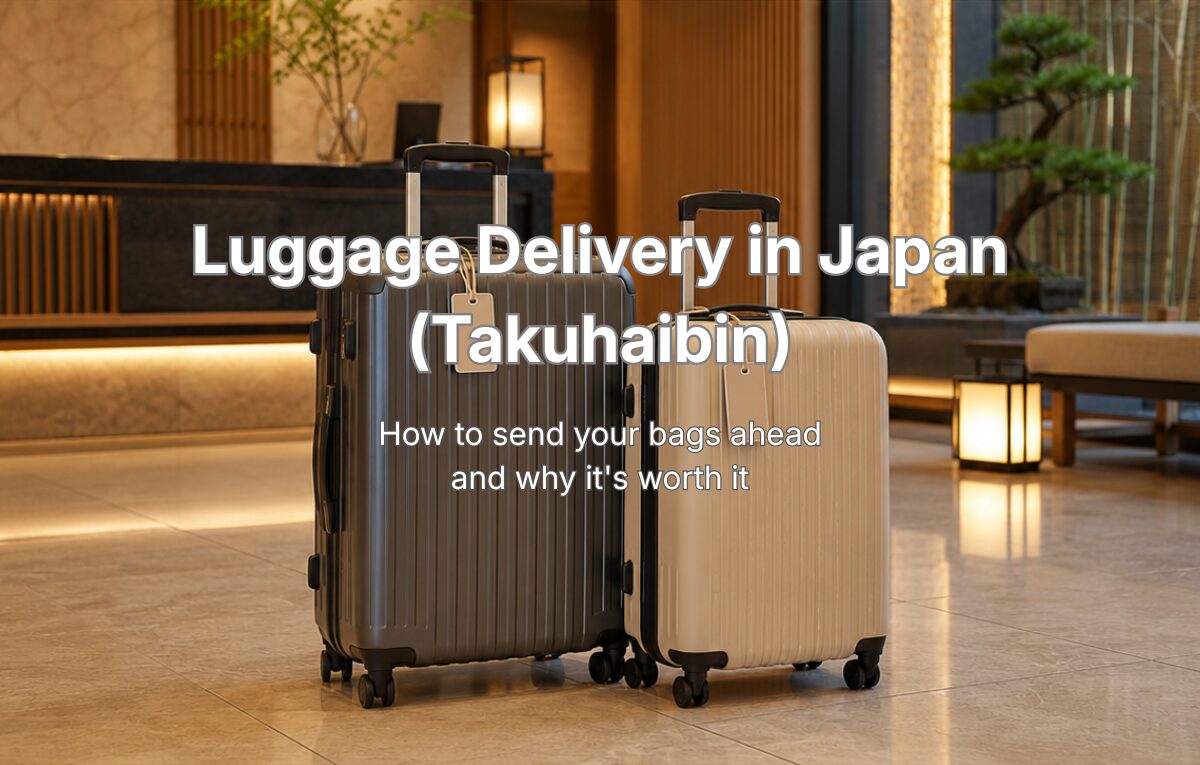
Carrying a large suitcase through crowded train stations and onto the Shinkansen is one of the more stressful parts of traveling in Japan. There's a straightforward way to avoid it. What Takuhaibin Is Many people use "takuhaibin" to refer to luggage delivery services in Japan generally. The best-known operator is Yamato Transport (クロネコヤマト), which is also the most practical choice for travelers. Other operators include Sagawa Express and Japan Post (Yu-Pack). The service is reliable nationwide. You send a bag from one location, and it arrives at the destination within one to two days. Hotels, airports, and many convenience stores ...
2026/6/30
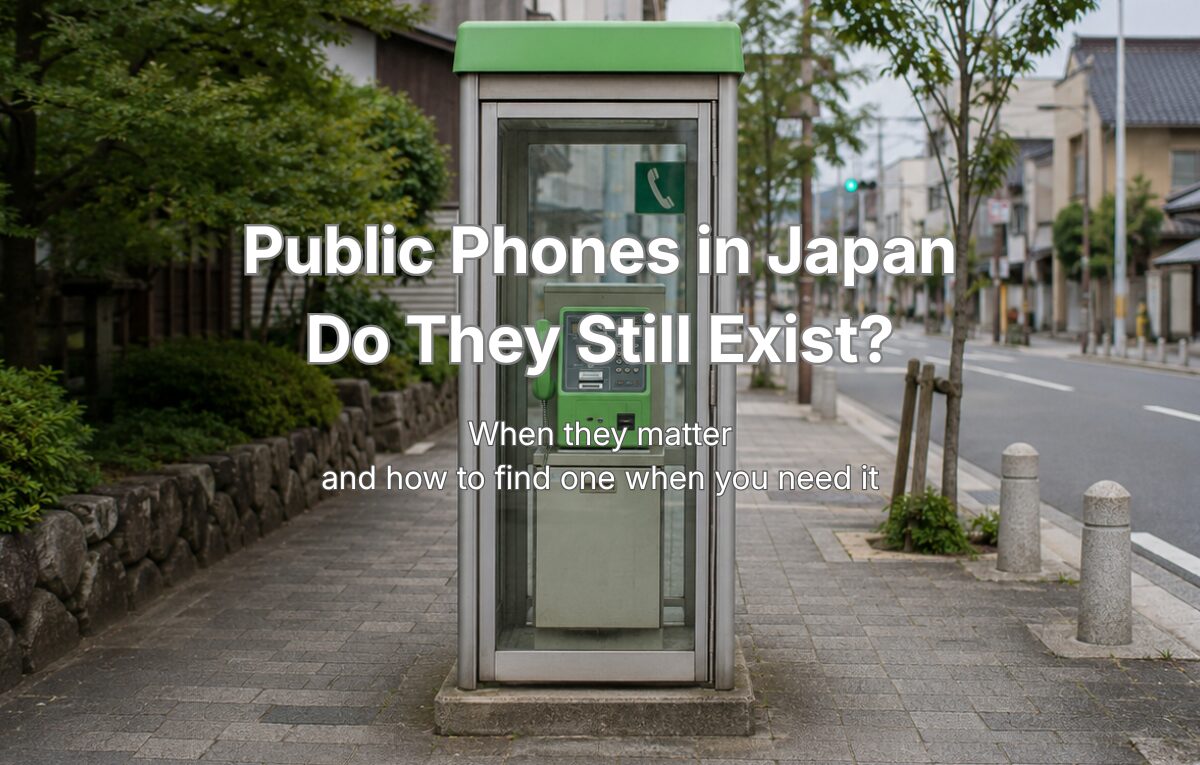
You probably won't need a public phone on a normal trip to Japan. But in the right situation — a dead battery, a lost phone, or a major earthquake — knowing where one is can matter more than you'd expect. Yes, Public Phones Still Exist in Japan Public phones haven't disappeared. They're less common than they were twenty years ago, but they're still maintained and operational across the country. You'll find them at: Major train stations (near ticket gates or in the concourse) Hospitals (usually on the ground floor lobby) Large public buildings and government offices Shopping malls and major ...
2026/6/30
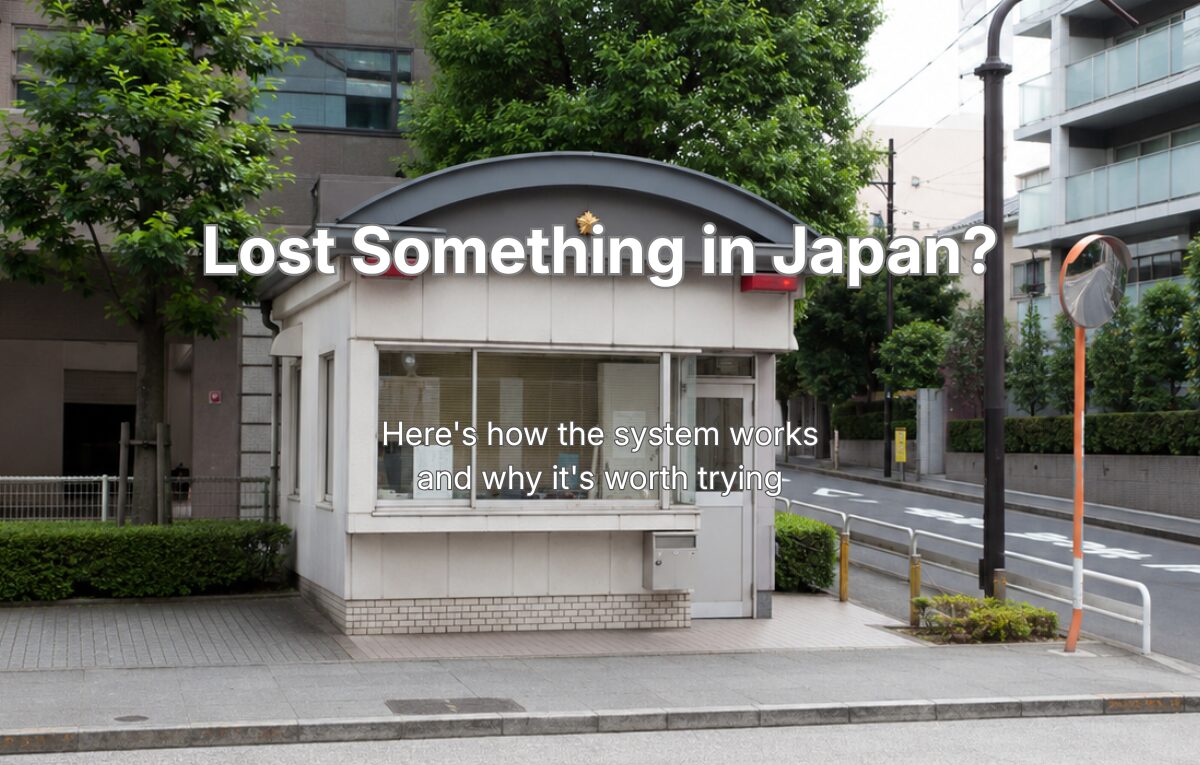
You've just realized something is missing. Before you give up, here's what to know: Japan has one of the most reliable lost-and-found systems many travelers will ever experience. Why Lost Items Are Often Recoverable in Japan In Japan, turning in found items is deeply embedded in everyday behavior. Wallets, phones, cameras, and even bags of cash get handed in to stations, convenience stores, and police boxes on a regular basis. Many lost items are turned in within hours of being found. This doesn't mean recovery is guaranteed — but the chance of getting something back is often higher than most ...
2026/6/17 topic-money
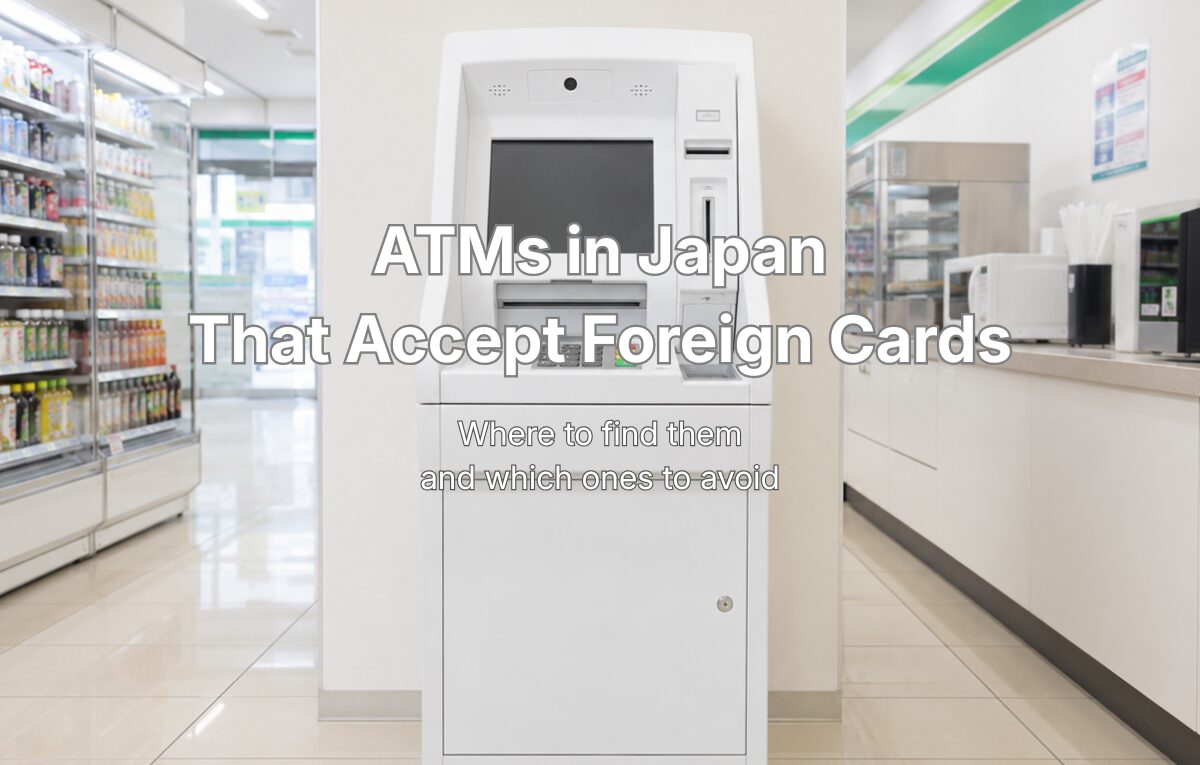
Japan is still a cash-heavy country, and not every ATM accepts foreign cards. Knowing which ones to look for before you need cash makes a real difference. The Two ATM Types Travelers Should Remember First 7 Bank ATM (Seven Bank) This is the most practical first choice for most travelers. 7 Bank ATMs are installed in 7-Eleven stores across Japan, which means they're easy to find in cities, towns, and tourist areas alike. They're also available at major airports and some train stations. Multilingual interface including English Accepts Visa, Mastercard, American Express, UnionPay, and other major international cards Generally available ...
2026/6/16 topic-money
You just had an excellent meal, a smooth taxi ride, or a helpful hotel check-in. Your instinct says to leave something extra. In Japan, that instinct will likely cause more confusion than appreciation. Why Tipping Is Not Expected in Japan Service charges are built into the normal price structure in Japan. Staff are not expecting extra cash from customers — it is simply not part of how the system works here. This is not about hospitality being lower. If anything, the standard of service in Japan is unusually high. The difference is that staff are not relying on tips to ...
