Takumi Saito

2026/7/20 topic-language
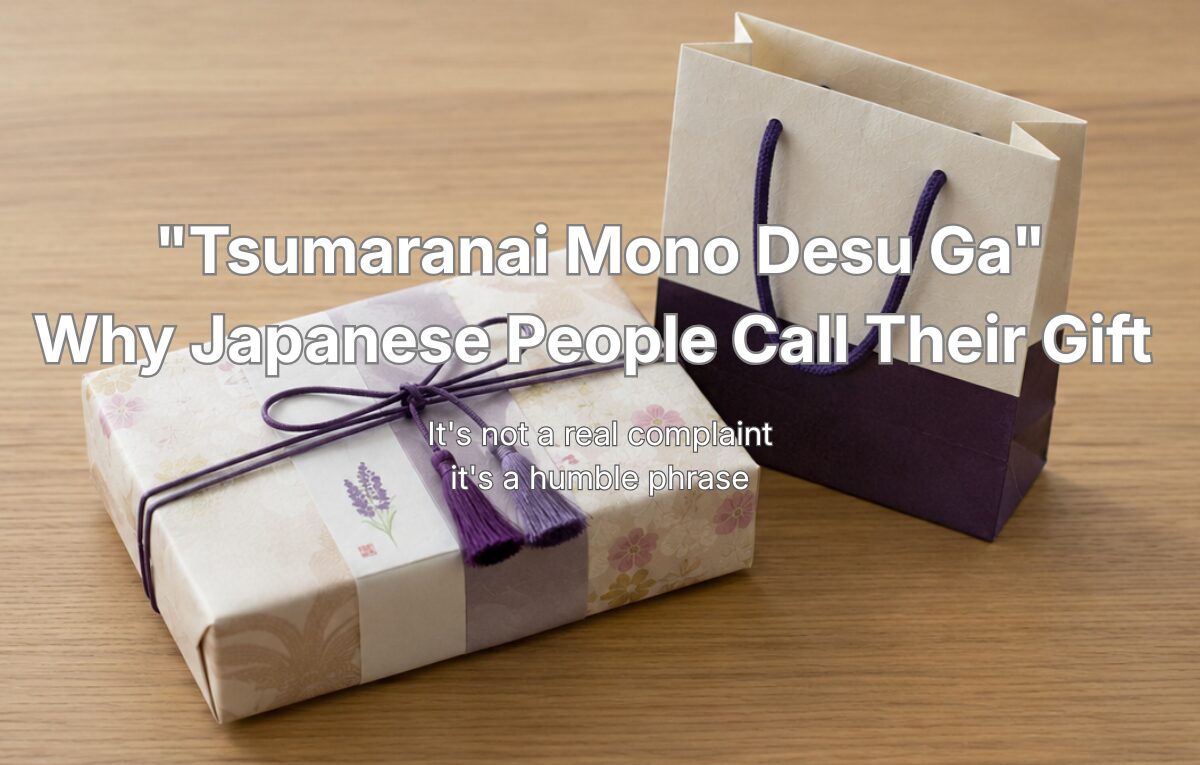
What Does It Mean Literally? Word for word, tsumaranai means dull or of little value, and the full phrase translates roughly as "this is a trivial thing, but I hope you will accept it." Taken at face value, it sounds like the person is apologising for a bad gift. That is not what is happening. The phrase is a convention — a polite formula — not a genuine description of the contents. Why Do Japanese People Say This? In Japan, lowering yourself slightly while raising the other person is a natural part of polite interaction. Handing someone a gift and ...
2026/7/20 topic-language
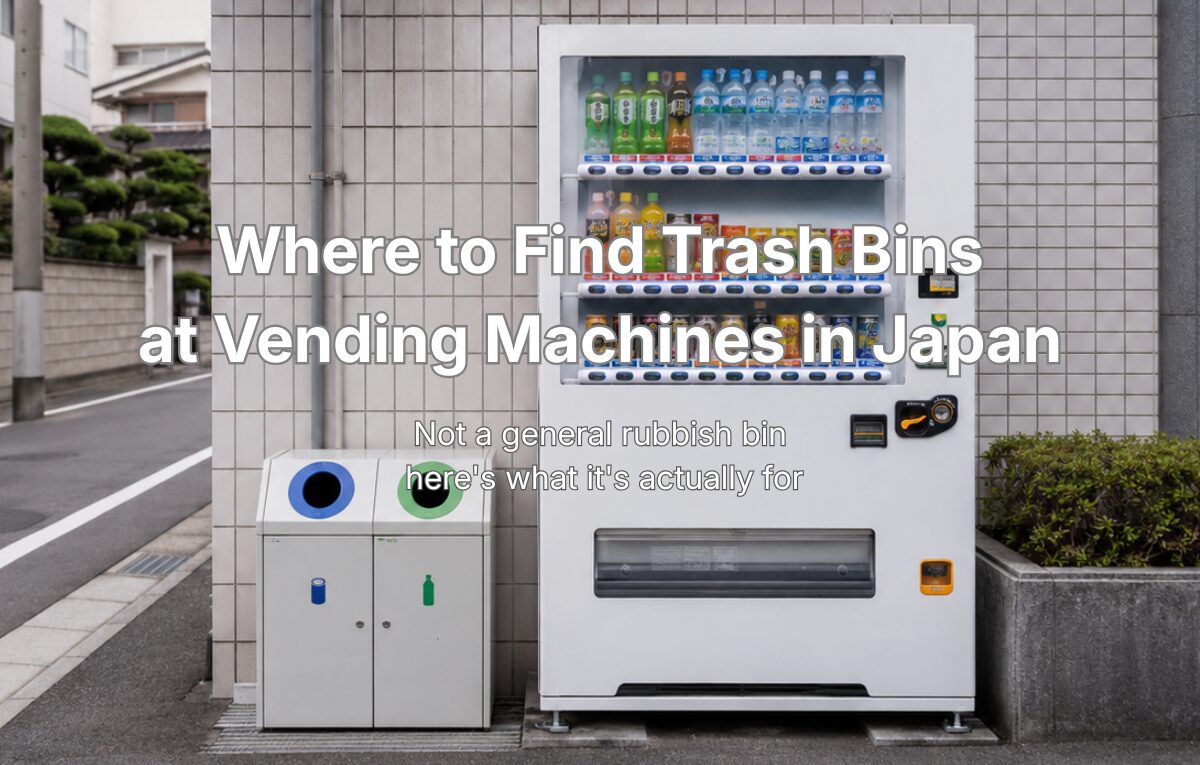
Why Is There a Bin Next to the Vending Machine? Vending machine operators in Japan are responsible for collecting and processing the containers from their machines. The bin is part of that system — a way to gather empty cans, bottles, and cups from people who buy on the spot and finish their drink nearby. Because public rubbish bins are rare in Japan, these vending machine bins often become the only visible place to throw something away. That is exactly why they get misused — and why the bins are sometimes locked or removed entirely. What Can You Put In ...
2026/7/20 topic-transport
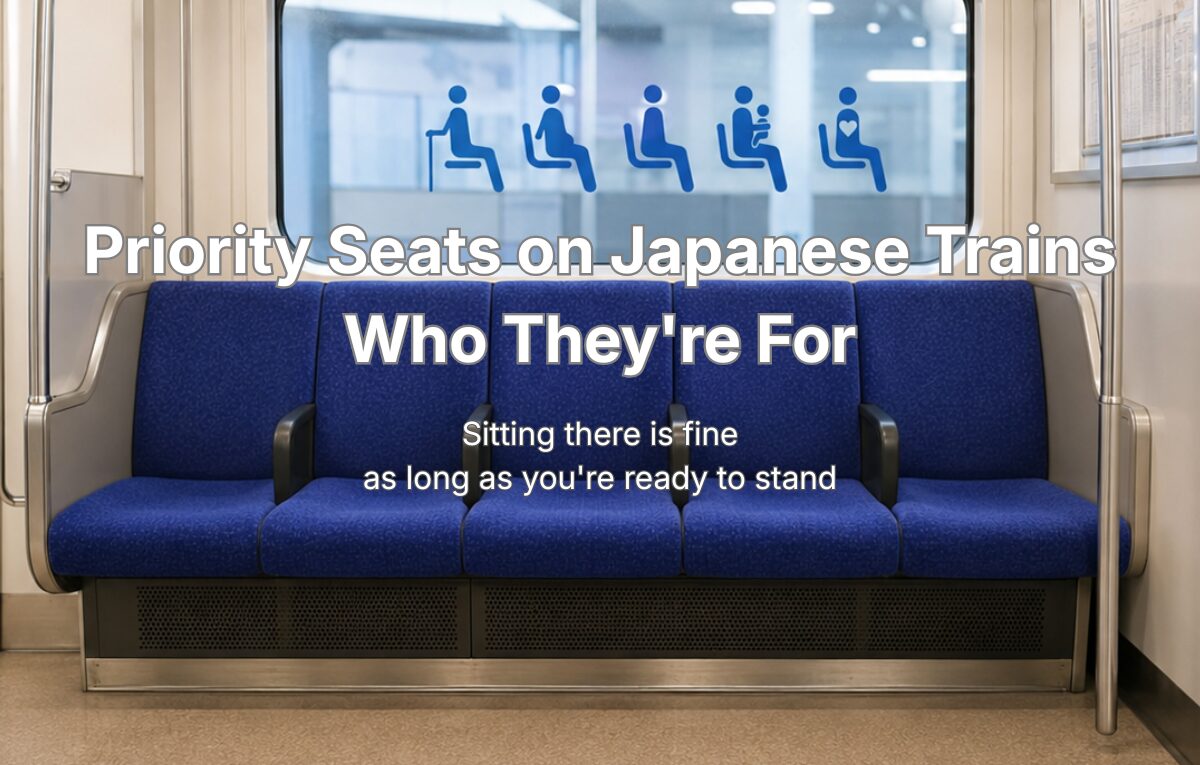
What Are Priority Seats? Priority seats are designated spaces on Japanese trains and buses, usually found at the ends of carriages. They are typically marked with a distinct color — pink, blue, or green — and surrounded by stickers showing who they are intended for. Older signs sometimes called them "silver seats," but priority seat is the standard term today. Who Are They For? The seats are intended for: Elderly passengers Pregnant women and those travelling with young children Passengers with disabilities Anyone with an injury or illness that makes standing difficult It is worth remembering that need is not ...
2026/7/20 topic-language
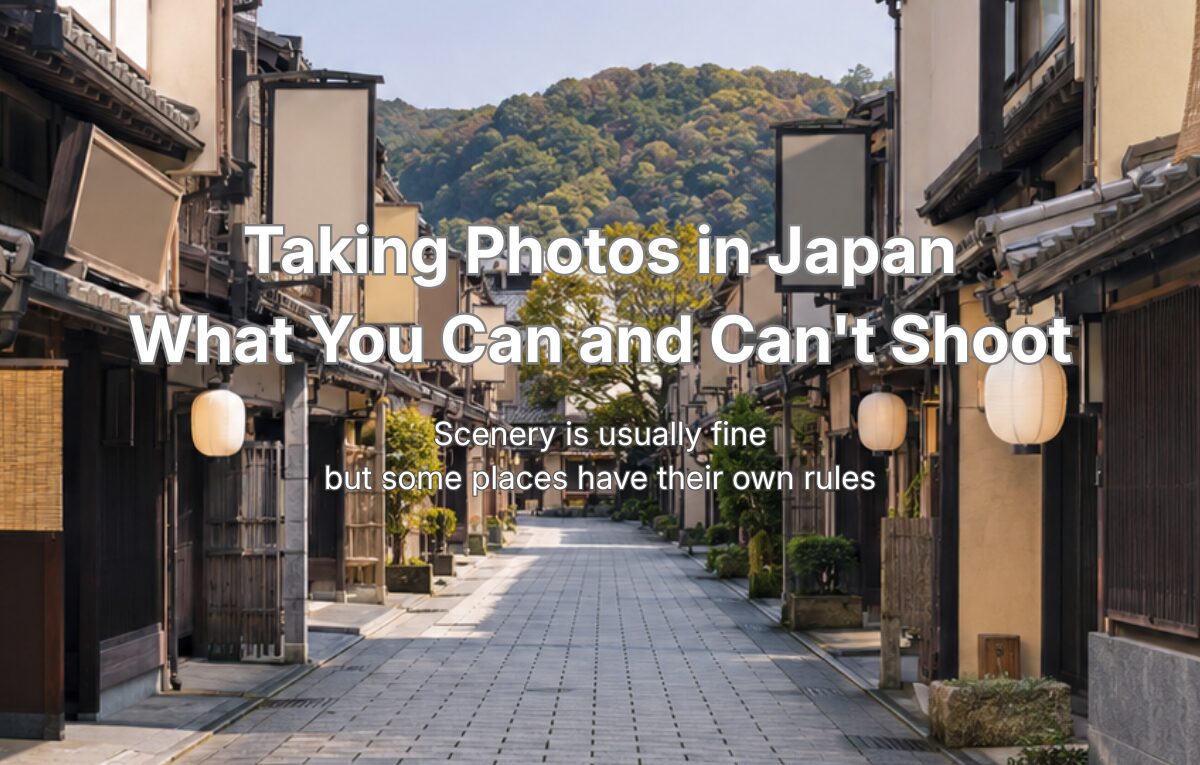
Street Photography in Japan Photographing streets, buildings, landscapes, and busy public spaces is completely normal in Japan. Tourists and locals do it constantly, and nobody will stop you for shooting a market street, a quiet alley, or a city panorama. In practice, the bigger considerations are not about public space in general — they are about specific facilities and about how you treat the people in your frame. Those two things are where most issues actually arise. Where You Should Not Shoot Many places have their own photography rules, regardless of whether they are publicly accessible. Common restricted areas include: ...
2026/7/20 topic-language
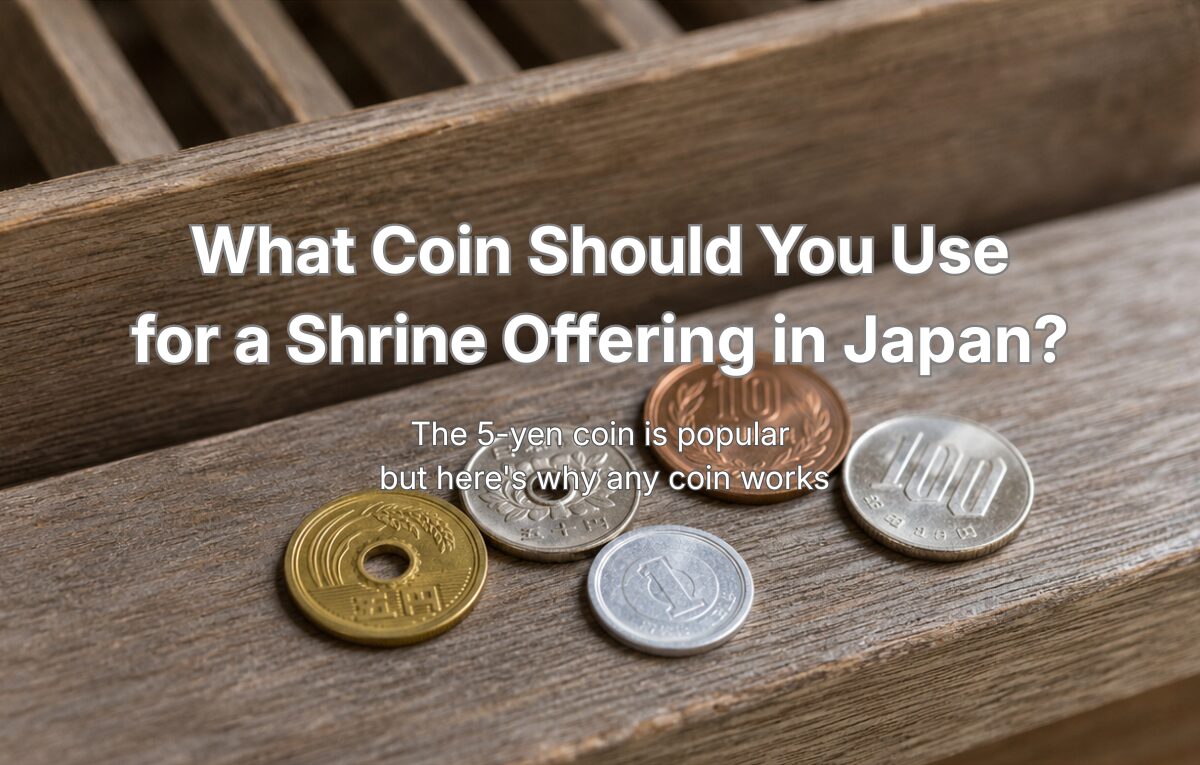
Is There a Correct Amount? No. There is no official rule about how much to put in the offering box. Any denomination — 1 yen, 5 yen, 10 yen, 50 yen, 100 yen — is acceptable. Occasionally a shrine will suggest an amount for a specific ritual or prayer, but for a standard visit, the choice is entirely yours. Why Is the 5-Yen Coin So Popular? The 5-yen coin is called go-en in Japanese. That reading happens to sound identical to go-en (御縁), which means a good connection, a fortunate encounter, or a meaningful relationship. Dropping a 5-yen coin into ...
2026/7/20 topic-language
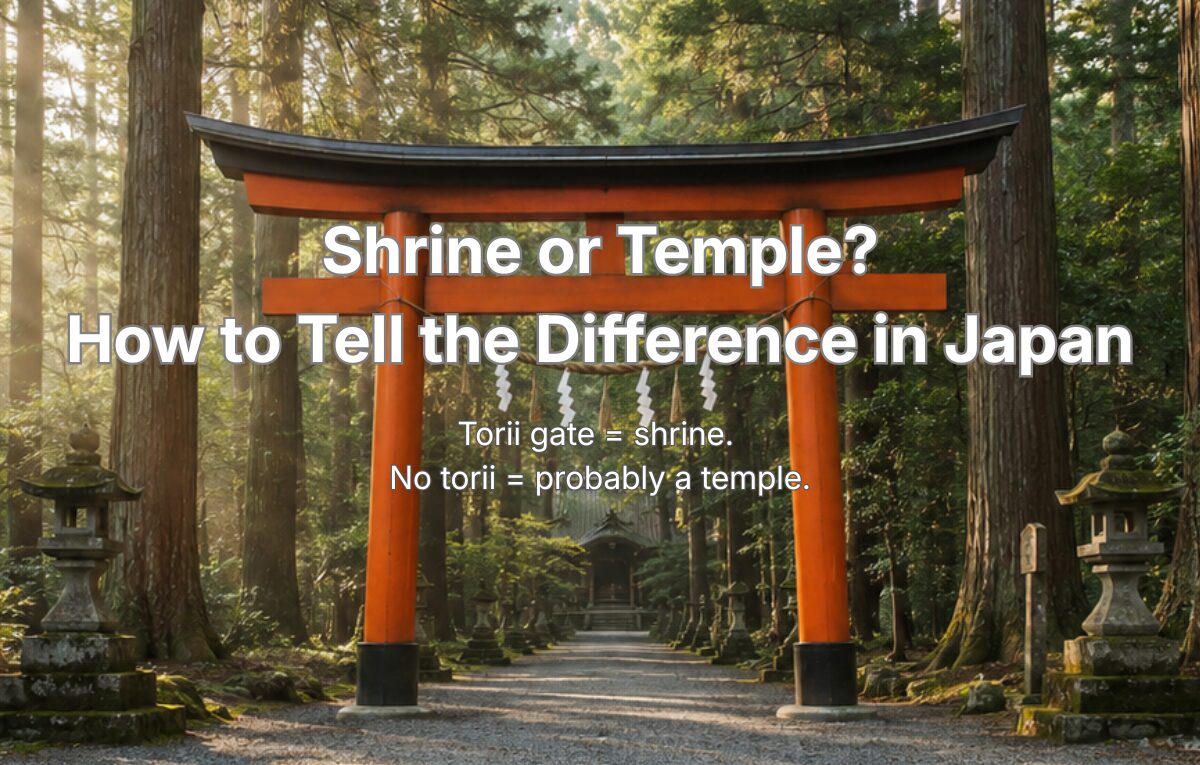
How to Tell Them Apart at a Glance The most reliable sign is the torii gate. If you see one — that tall, usually orange-red structure at the entrance — you are at a shrine. Temples do not have torii gates. A few other things often seen at shrines: stone guardian dogs (komainu) flanking the path, thick rope decorations (shimenawa) around trees or rocks, and a purification fountain near the entrance. These are not guaranteed at every shrine, but they are common enough to be useful clues. Temples, on the other hand, tend to feel more enclosed. Look for a ...
2026/7/20 topic-language
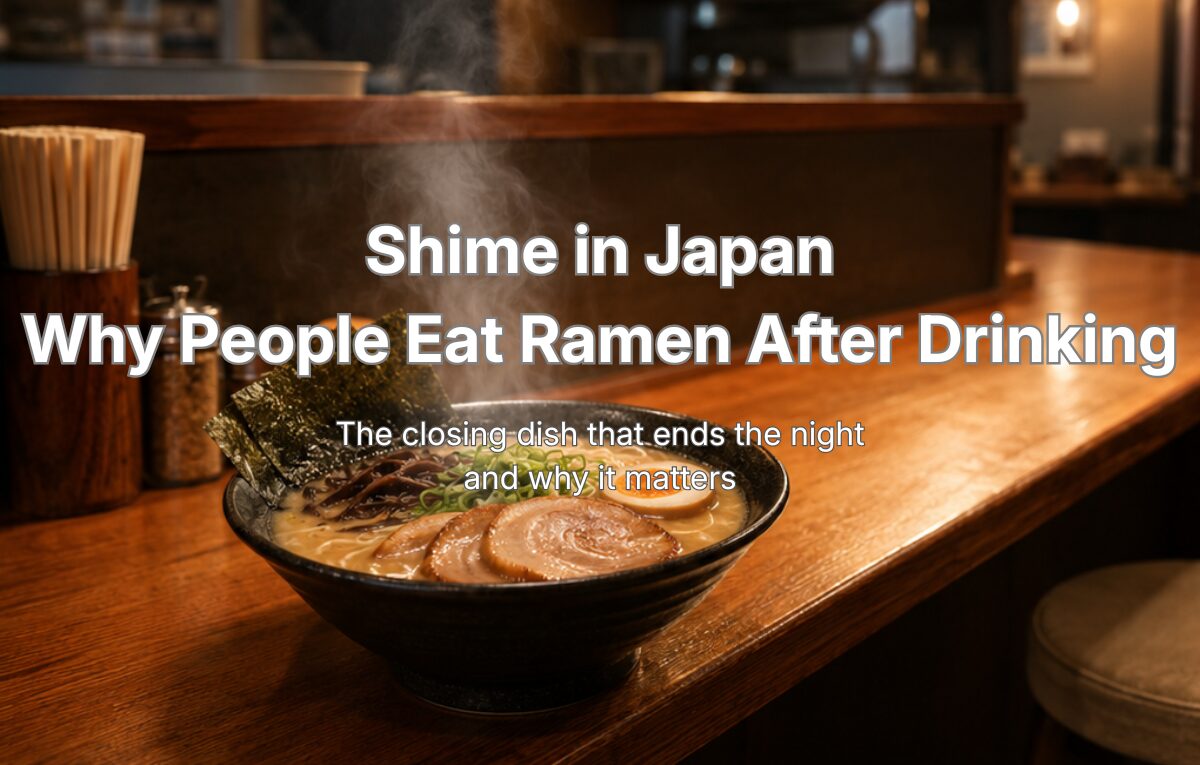
What Is Shime? The word shime means "closing" or "finishing." In the context of a night out, it refers to a light dish eaten at the very end — something that often feels like a final, comforting way to close the evening. Shime is a familiar part of drinking culture in Japan. It is not a formal rule, but it comes up often enough that most people who drink socially here have a go-to shime dish in mind. What Do People Usually Eat? The most common shime options: Ramen — the most popular choice; many shops stay open late for ...
2026/7/20 topic-language
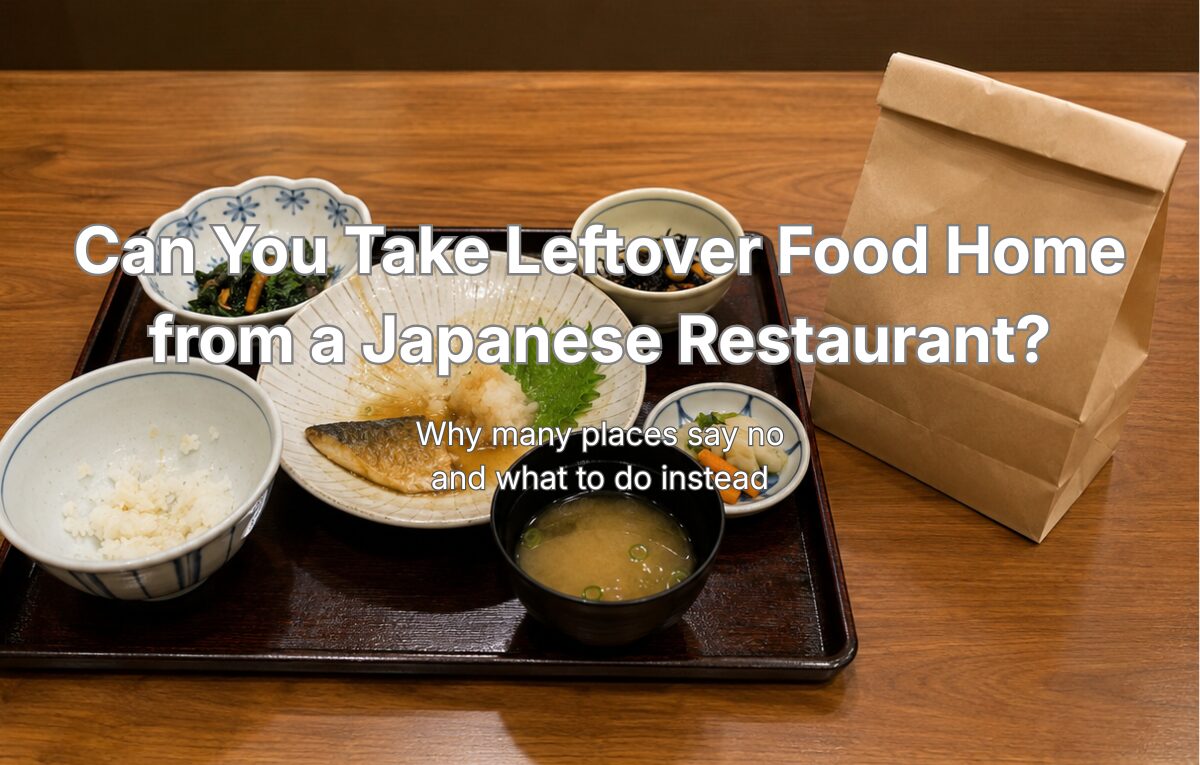
Why Is It Uncommon in Japan? The most common reason restaurants decline is food safety. Once food leaves the restaurant, the kitchen has no control over how it is stored or how long it sits before being eaten. Rather than risk a problem, many places simply say no. Some restaurants also prefer food to be eaten in the condition they intended — a dish that has been sitting in a bag for two hours is not quite the same dish anymore. Neither of these is about being unhelpful. It is just how the thinking tends to go. Is It Getting ...
2026/7/20 topic-language
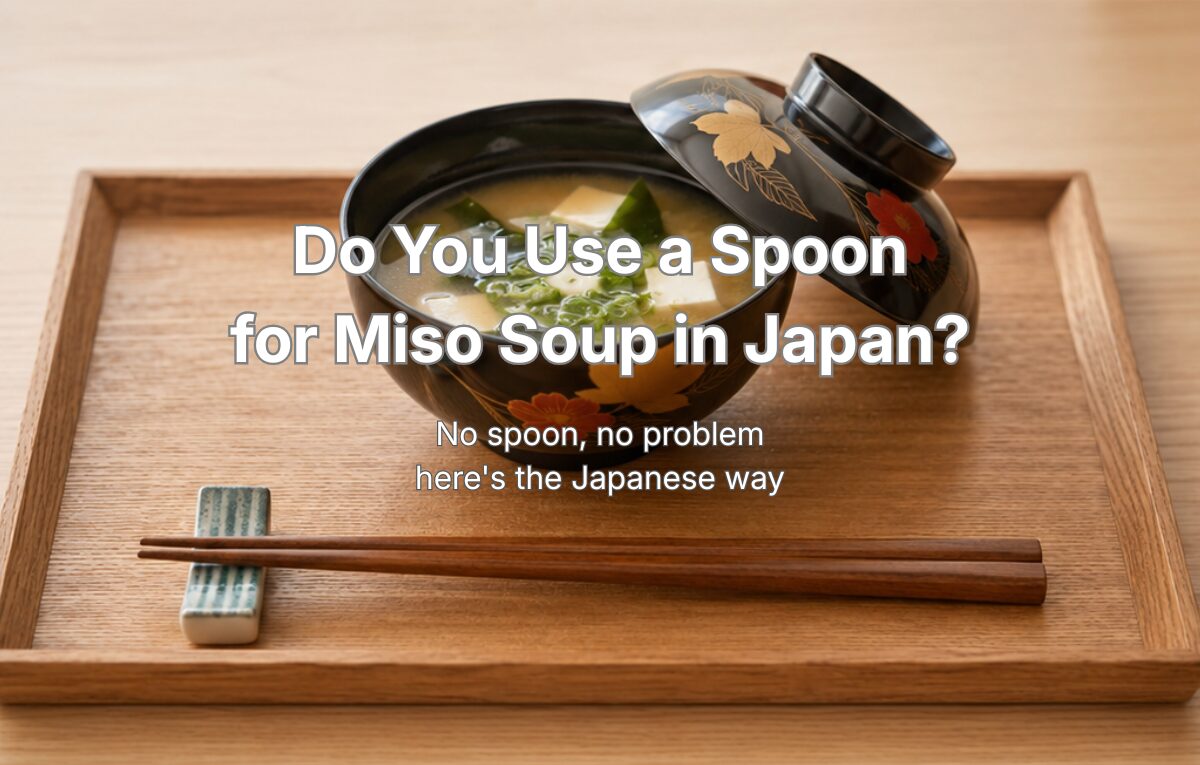
Why No Spoon? In Japanese food culture, soup bowls are meant to be held and drunk from directly. Using a spoon is the Western approach to soup — it does not carry over to miso soup in a traditional setting. If no spoon arrives with your miso soup, it is not considered missing tableware. A spoon simply was not part of the equation to begin with. How to Eat Miso Soup the Japanese Way Pick up the bowl with both hands and bring it to your lips. Sip slowly — there is no need to rush. For the solid ingredients ...
2026/7/20 topic-language
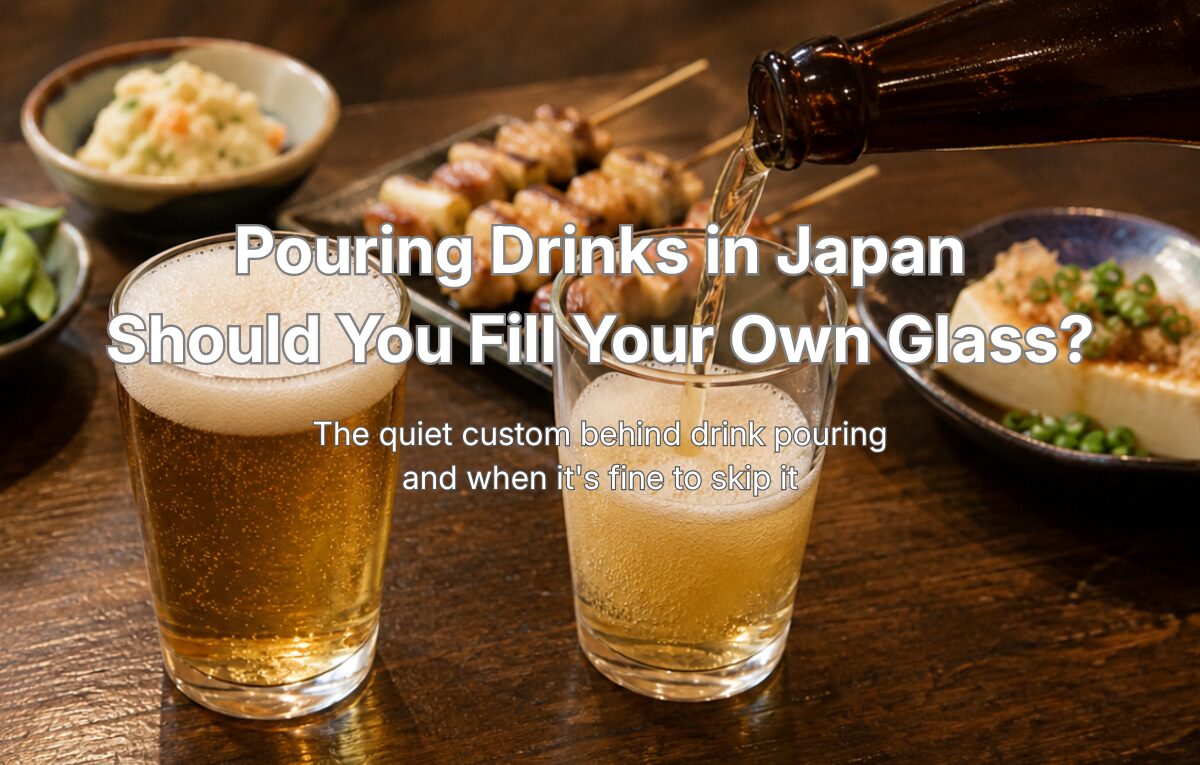
Why Do Japanese People Pour for Each Other? At a Japanese drinking gathering, noticing that someone's glass is empty and quietly filling it is often seen as a small sign of attention to the people at the table. It does not require words or a formal offer — the action itself is the gesture. This is most common at izakayas, company dinners, and any gathering where beer, sake, or shochu is being shared. The more formal the setting, the more this tends to be observed. What Should You Do as a Guest? If someone moves to pour for you, lifting ...
