Takumi Saito

2026/7/20 topic-language
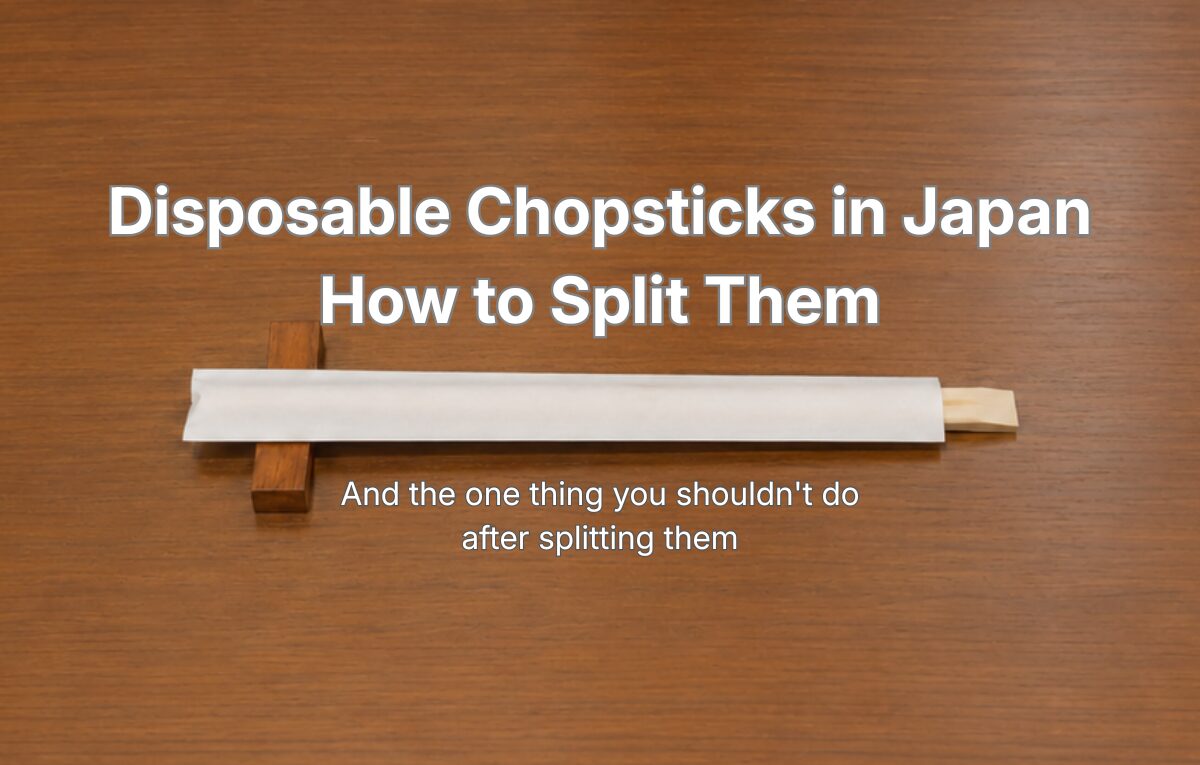
What Are Waribashi? Waribashi are single-use wooden chopsticks served still joined at one end. Before eating, you split them apart yourself. They are common across a wide range of eating situations in Japan — izakayas, set-meal restaurants, bento boxes, and takeout. The word literally means "split chopsticks." That is exactly what you do with them. How to Split Them Take the chopsticks out of the wrapper. Hold one end in each hand and split them apart evenly. The motion is horizontal — pulling both ends away from each other, not snapping downward. Trying to split them vertically tends to cause ...
2026/7/20 topic-money
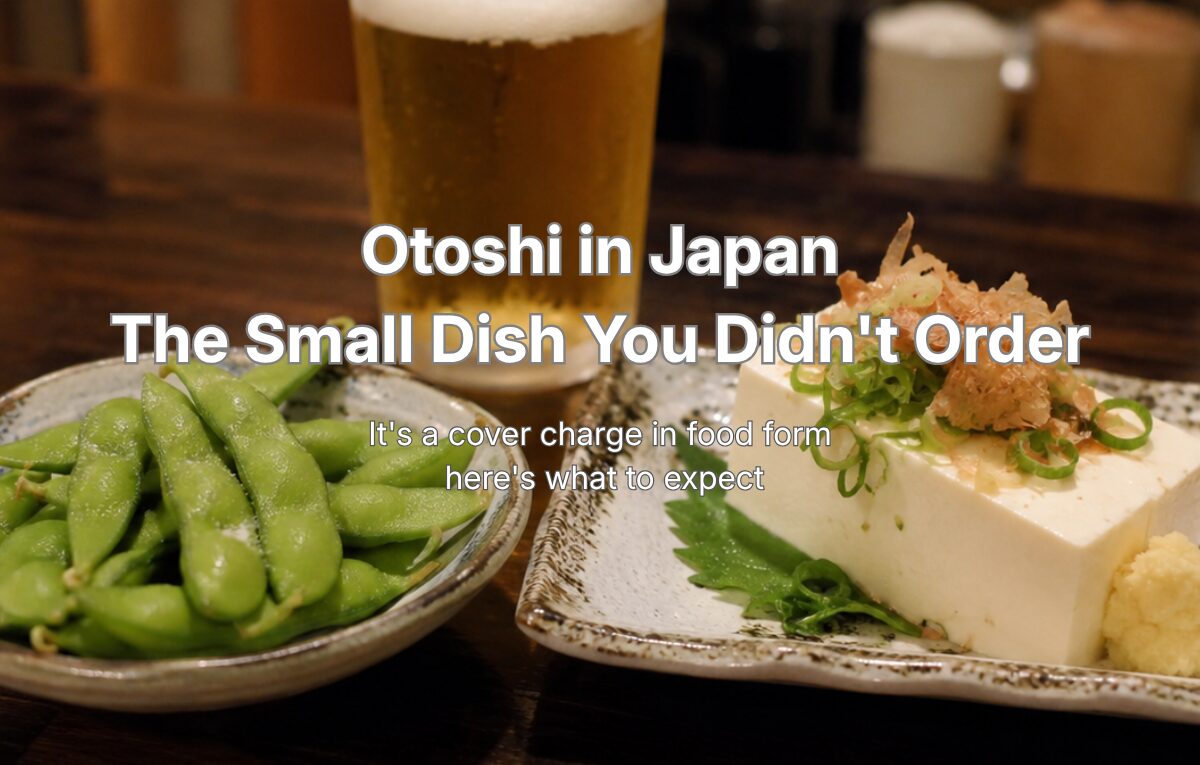
What Is Otoshi? Walk into an izakaya in Japan, take your seat, and within a few minutes a small dish will arrive — one you never ordered. That is otoshi. The contents vary by restaurant: edamame, chilled tofu, a small simmered vegetable dish, pickles. Some places serve a rotating daily dish prepared by the kitchen. Whatever it is, it arrives automatically. It is not a mistake, and it is not a gift. Otoshi is part of how these restaurants operate. Sitting down is the trigger. How Much Does It Cost? Often around ¥200 to ¥600 per person, though it varies ...
2026/7/20 topic-transport
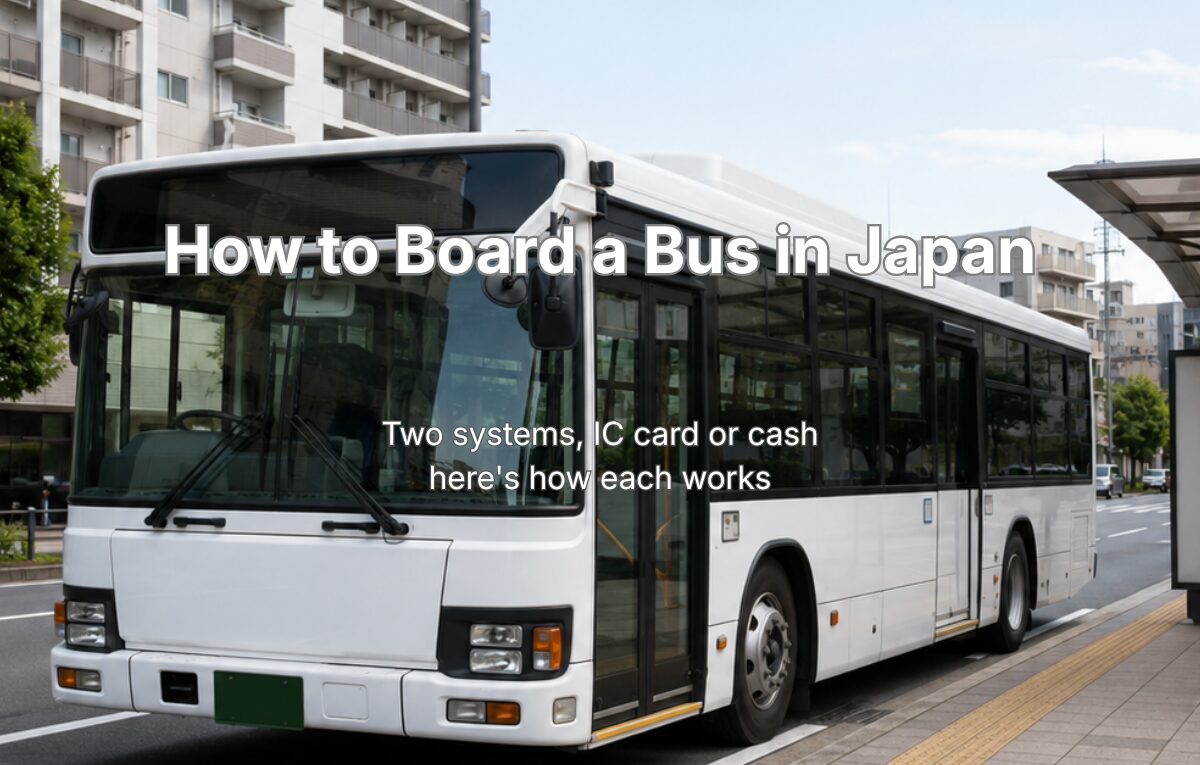
Buses in Japan are reliable and useful — but the boarding system isn't always obvious the first time. Here's what you need to know before you get on. The Two Main Ways Buses Work in Japan Rear-door boarding, pay on exit (most common on regional and intercity routes): Board at the rear door Take a numbered ticket (整理券) from the machine near the door, or tap your IC card When you reach your stop, exit at the front door and pay The fare is shown on a display board — match your ticket number to the amount shown Front-door boarding, ...
2026/7/20 topic-language
You're in Japan and someone bows to you. You bow back. But how deep? Here's what the different levels mean — and what travelers actually need to know. The Main Bow Levels in Simple Terms Light bow (about 15 degrees): The everyday bow. Used for quick greetings, returning a clerk's bow, or a casual thank you. This is what you'll use most often. Polite bow (around 30 degrees): A more deliberate thank you, meeting someone for the first time, or asking for a favor. Shows genuine consideration. Deep bow (around 45 degrees): For sincere apologies or very formal situations. Not ...
2026/7/15 topic-accommodation
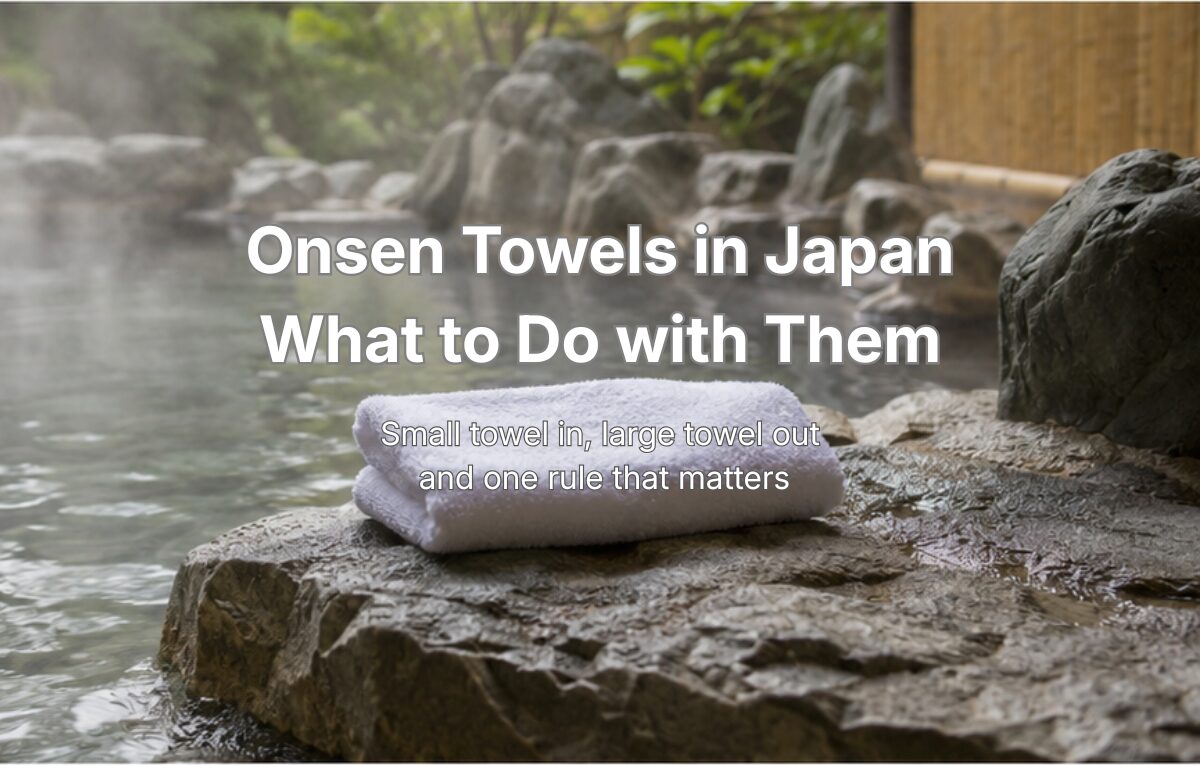
You're about to enter a Japanese onsen or bathhouse and you've been handed two towels. Here's what each one is for — and the one rule that matters most. The Two Towel Types Large bath towel (バスタオル): This one usually stays in the changing room. Use it to dry off properly when you're done and heading back to get dressed. Small towel (手ぬぐい or small towel): This is what you bring into the bathing area. It's used at the washing station, and when you get into the bath, you keep it with you — on top of your head or ...
2026/7/15 topic-accommodation
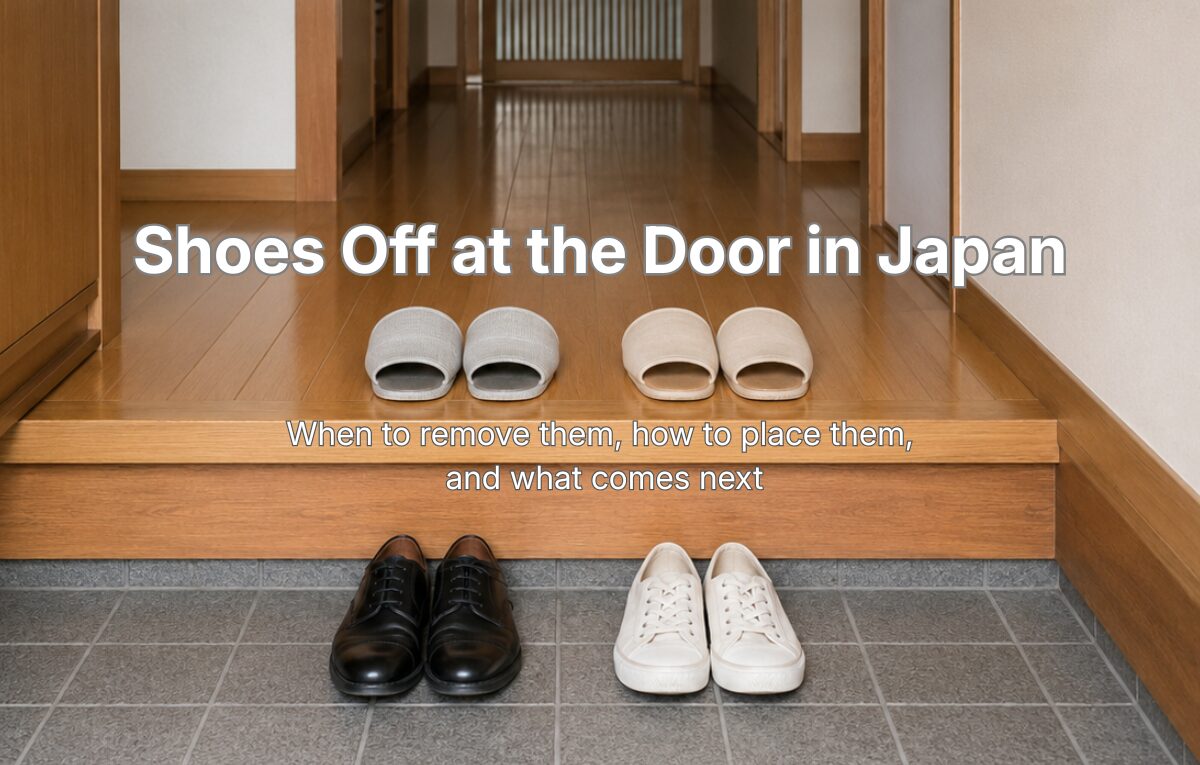
You arrive at a ryokan, a traditional restaurant, or someone's home in Japan. There's a small step at the entrance and a row of shoes. Here's what that means and what to do. What the Genkan Is The genkan (玄関) is the entrance area found at the threshold of Japanese homes, ryokan, and many traditional buildings. It has a raised step that marks the boundary between outside and inside — shoes stay below the step, and the rest of the building starts above it. The underlying principle is keeping the outside world out. Outdoor shoes carry dirt, and that dirt ...
2026/7/15 topic-language
You're running behind and have a restaurant reservation in Japan. Here's what to do — and why acting quickly matters more than you might expect. Why Timing Matters at Reserved Restaurants Japanese restaurants prepare around reservation times — the table, the staffing, and in many cases the food itself. At small restaurants, counter-style places, and anywhere serving a set course menu, your arrival time affects the flow of the entire meal. No-shows and unexplained lateness are taken seriously. They're not treated as minor inconveniences — especially at smaller or higher-end restaurants where every seat and every service timing is planned ...
2026/7/15 topic-language
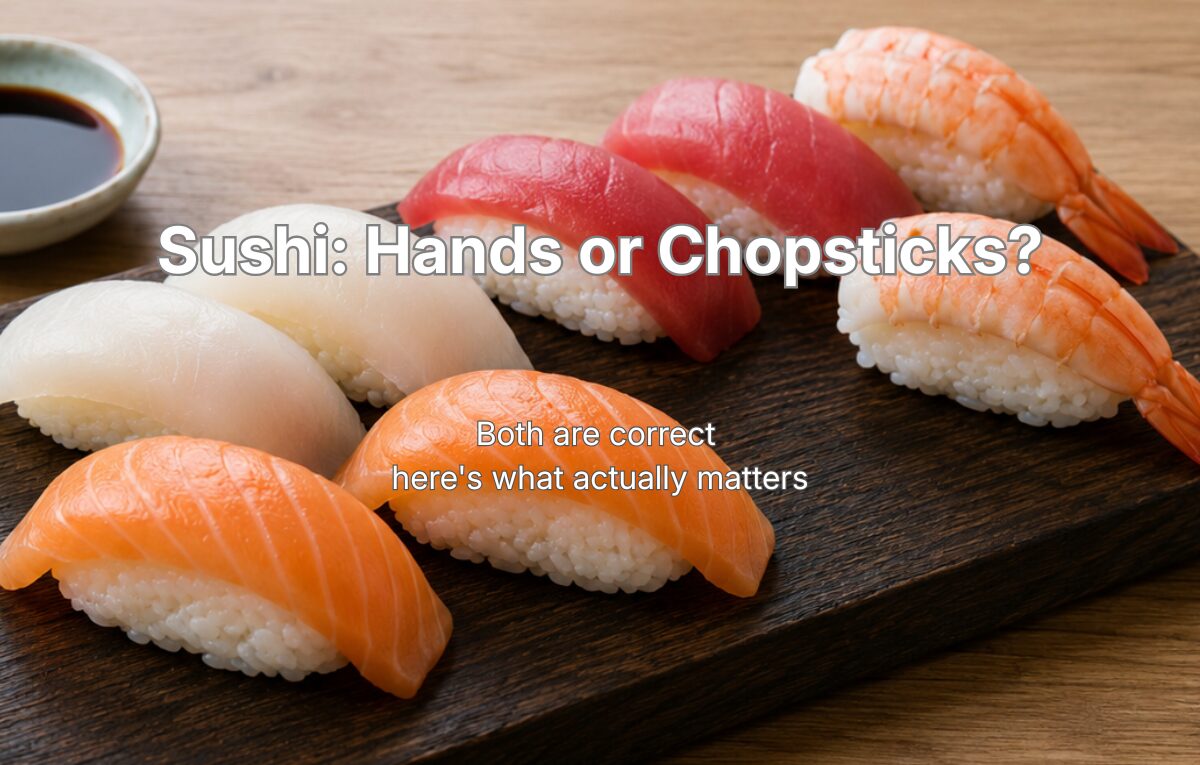
You're sitting at a sushi counter and wondering whether to reach with your fingers or pick up your chopsticks. Here's the straightforward answer. Why Both Hands and Chopsticks Are Acceptable Sushi was originally finger food — that is why eating it by hand is still completely acceptable today. The hand-eating style has never gone away, and in traditional counter-style sushi restaurants it remains the most natural approach. Chopsticks became common as sushi moved into more formal and varied settings. Today both are standard. There is no rule, written or unspoken, that says one is more correct than the other. What ...
2026/7/13 topic-language
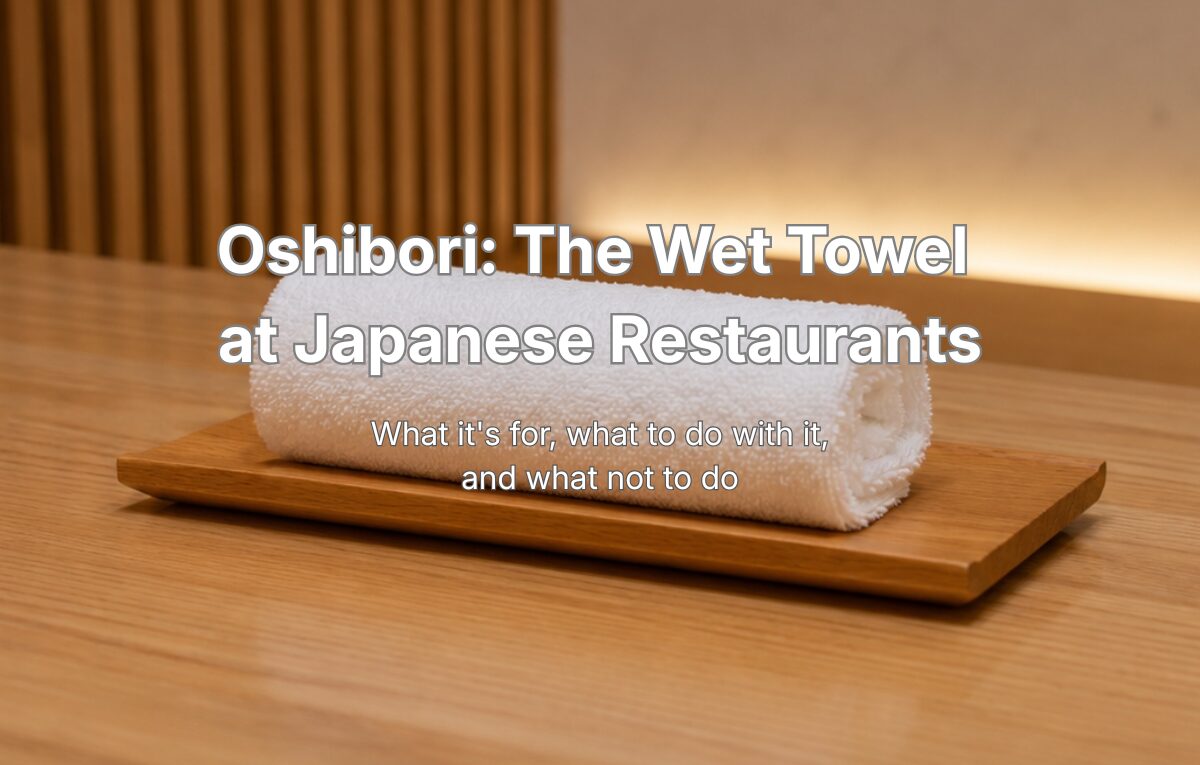
You sit down at a restaurant in Japan and a small rolled towel appears in front of you. Here's what it's for and what to do with it. What Oshibori Is Oshibori (おしぼり) is a damp towel provided at the start of a meal in many Japanese restaurants — izakayas, traditional restaurants, ramen shops, and ryokan dining rooms, among others. It comes in two forms: Cloth oshibori: A small rolled or folded fabric towel, common at izakayas, mid-range restaurants, and higher-end places Paper oshibori: A disposable version in a sealed package, common at casual chains and family restaurants Both are ...
2026/7/13
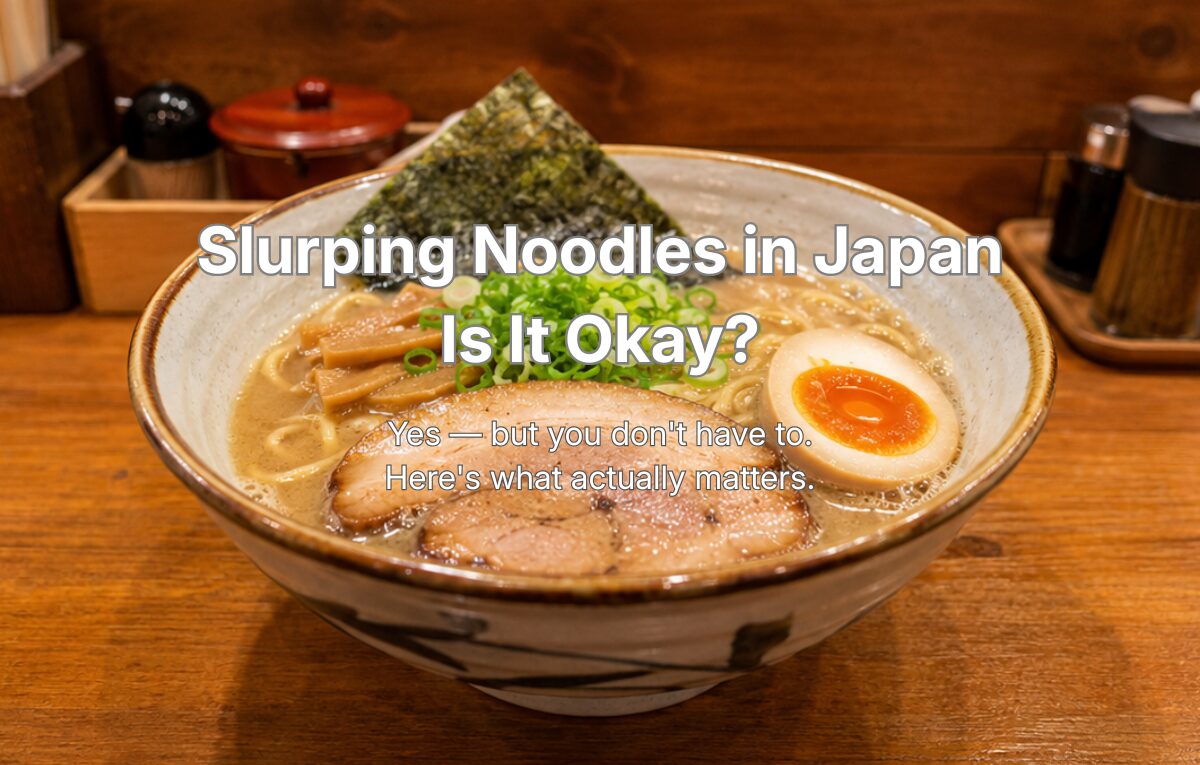
You're sitting in a ramen shop in Japan and everyone around you is making noise eating. You're not sure if you're supposed to join in — or if it even matters. Here's the actual answer. Why Slurping Is Normal with Noodles in Japan Slurping noodles is simply not considered bad table manners in Japan. It is seen as a natural way to eat noodles — the sound is familiar, expected, and not something people think twice about in a ramen shop or soba restaurant. Some people describe the sound as a sign of enjoying the food. Whether or not that ...
