Takumi Saito

2026/3/20 topic-accommodation
You've arrived at your ryokan earlier than expected — but the room isn't ready yet. This is a common situation, and there's a straightforward way to handle it. This page explains why ryokan check-in times are later than hotels, what locals do when they arrive early, and what to keep in mind about check-out as well. Why ryokan check-in is later than hotels After guests check out, ryokan staff do much more than clean the room. They prepare the futon bedding, set out the yukata, arrange dinner service, and ready the private or shared baths. All of this takes time. ...

2026/3/20 topic-transport
You're checking your route on Google Maps and it shows a 3-minute transfer. Is that even possible? Should you pick a different train? This page explains how Japan's transfer system actually works, how locals think about short connections, and when it's smarter to choose the next train from the start. How Japan's transfer times are calculated Japan's train timetables are precise, and transfer times shown in apps like Google Maps or Hyperdia are calculated based on actual walking distance between platforms. When an app says "3-minute transfer," it means a healthy adult walking at a normal pace can make it. ...
2026/3/20 region-tokyo, topic-transport
Tokyo and Osaka subway stations can have more than ten exits. For first-time visitors, choosing the right one can feel overwhelming — especially underground, with limited signal and a lot of signs. This page explains how locals handle it, and the fastest way to get yourself to street level without confusion. Why are there so many exits? Large subway stations in Japan are connected directly to multiple buildings, intersections, and underground passages. Each exit leads to a different part of the surrounding area. This is not unique to tourists — Japanese people also look up the exit number before arriving ...
2026/3/20 topic-transport
The Shinkansen is one of the most reliable train systems in the world. But when it does stop, it can catch travelers off guard — especially if you have a tight connection, a flight to catch, or a packed itinerary. This page explains what actually happens, what locals do, and how to make a calm decision in the moment. Why the Shinkansen stops There are three main reasons the Shinkansen suspends service: What locals do when it stops When the Shinkansen stops unexpectedly, most Japanese travelers do one thing first: they wait and listen. Stations will announce an estimated resumption ...
2026/3/1 topic-digital
If you can’t get online right now, don’t waste time retrying the same Wi-Fi. This page gives you the fastest way to get connected, plus a simple backup plan. Step-by-step: get connected in 2 minutes Emergency places to try (when you have zero data) Quick phrases (show this) Why it happens (short) Many free networks in Japan use a browser login page, short time limits, and crowded access points. It’s normal for it to connect and then fail when you actually try to load maps. Prevent it next time: eSIM or pocket Wi-Fi If you’ll use Google Maps, translation, or ...
2026/3/1 topic-language
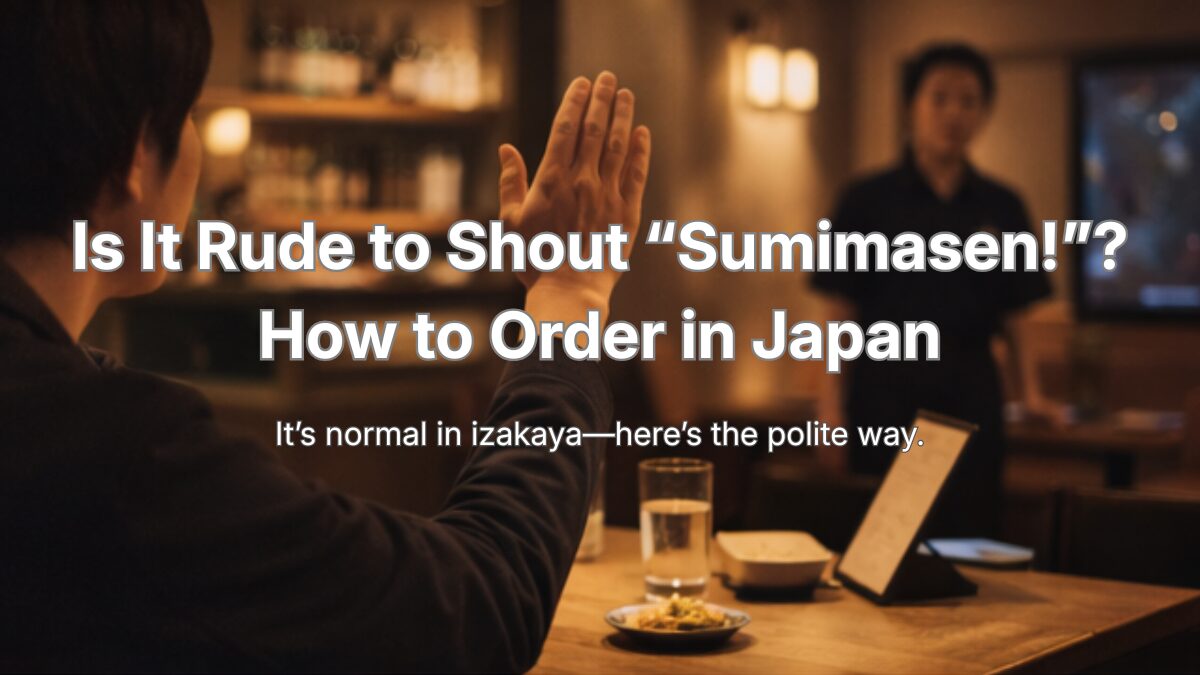
In Japan, you may hear people call out “Sumimasen!” at restaurants—especially at izakaya. To many visitors, it sounds like shouting at staff. But in many places, this is simply the normal way to signal: “We’re ready.” Why staff may not “check on you” In some countries, servers come back regularly with “How is everything?” In Japan, many restaurants—especially izakaya—work differently. Staff often try not to interrupt your conversation unless you call them. So when you stay quiet, they may assume you are still deciding, still talking, or simply don’t need anything yet. Calling out is not “being demanding.” It’s a ...

2026/3/1 topic-health
Getting sick in the middle of the night while traveling is stressful. In Japan, there are clear ways to get help—but the first step depends on whether it feels life-threatening or not. This page keeps it simple and shows what many locals do in the same situation. Step-by-step: what to do first Most clinics close in the evening. If it’s not a clear 119 emergency, the realistic goal is to find the right after-hours option for your area. Action Card: show this if you need help getting to a hospital How to find an English-speaking doctor Not every after-hours facility ...

2026/3/20 topic-money
In Japanese izakaya, a small dish may arrive shortly after you sit down—even if you didn’t order it. DThis is usually normal. In many places, this is a normal part of how izakaya service begins. It’s called otoshi. What otoshi is (in plain terms) Otoshi is a small, quick dish served near the start of the meal. At many izakaya, the flow is “drinks first, then food,” and otoshi often arrives with the first drink as a small snack while you choose dishes. What to do right now (keep it calm) If you’re unsure, start with confirmation—not an argument. Short ...

2026/3/1
When you sit down at an izakaya in Japan, a small dish may arrive before you even choose any food. That small starter is often called otoshi. If it’s your first time, it can feel uncomfortable—like something you never ordered, or an extra charge you didn’t expect. But in Japan, otoshi is often treated as part of how an izakaya meal begins, especially in places where drinking is assumed. This guide explains when otoshi usually appears (and why lunch feels different), how it connects to the first drink flow, and how many locals think about it. Once you understand the ...
2026/2/23 region-hokkaido, season-winter, topic-transport
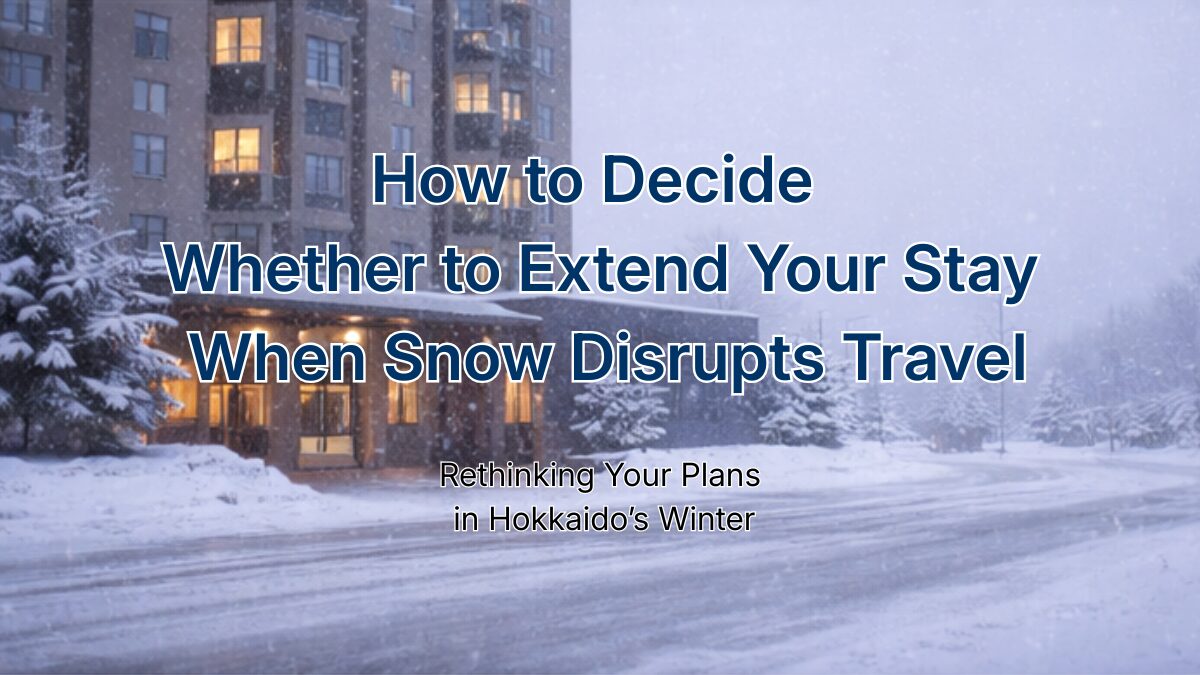
In Hokkaido, transportation can become unstable in different ways. Sometimes snow builds up over several days and conditions gradually worsen. Other times, heavy snowfall during the night can suddenly disrupt trains and flights the next morning. In both situations, there is a moment when you are no longer sure whether you can move as planned. You may think, “I’ll wait and see.” Or, “I’ll try to move anyway.” That reaction is natural. However, once travel becomes uncertain, extending your stay becomes a realistic option to consider. Staying longer is not a failure of planning. It is simply an adjustment based ...
